Rusty Compass - www.rustycompass.com

Account

Contacts

Register

Login

My Trip Plan
  • Home
  • Video
  • Gallery
  • Blog
  • About
  • Support Us
Contact
|
FOLLOW US
  • facebook
  • twiter
  • tv
  • rss
  • Travel guides
  • Cambodia
  • Vietnam
  • Laos
  • Australia


Travel guides
    • Home
    • Gallery
    • Hanoi and Vietnam's north - a travel guide in photos
    Gallery

    Hanoi and Vietnam's north - a travel guide in photos

    By Mark Bowyer / Last updated 12 Aug 2014
    • Hanoi's Hoan Kiem Lake is the spiritual heart of the...
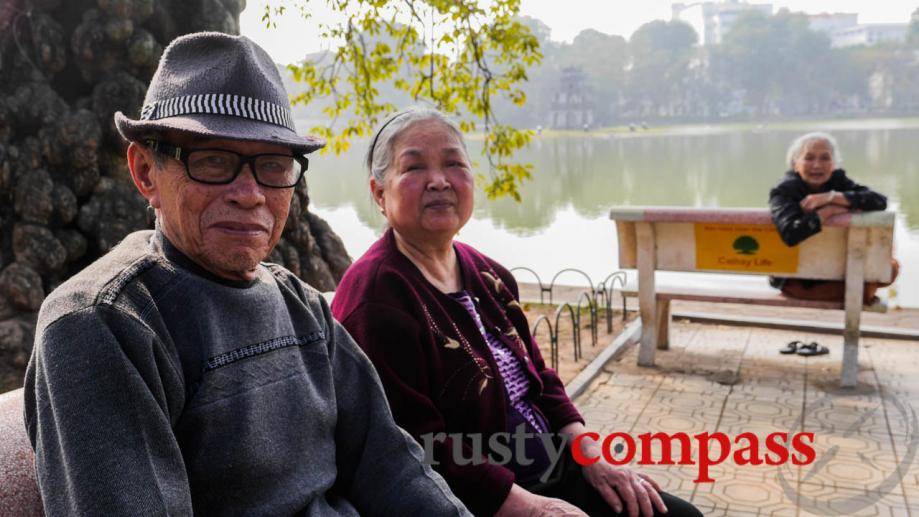
    • Hanoi's elderly, who gather here in large numbers, are an...
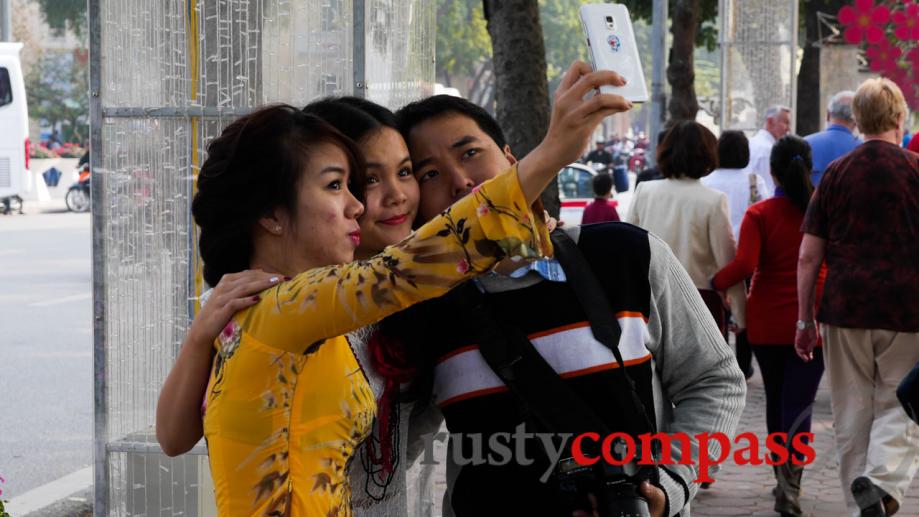
    • In Hanoi the battle rages between the old and new,...
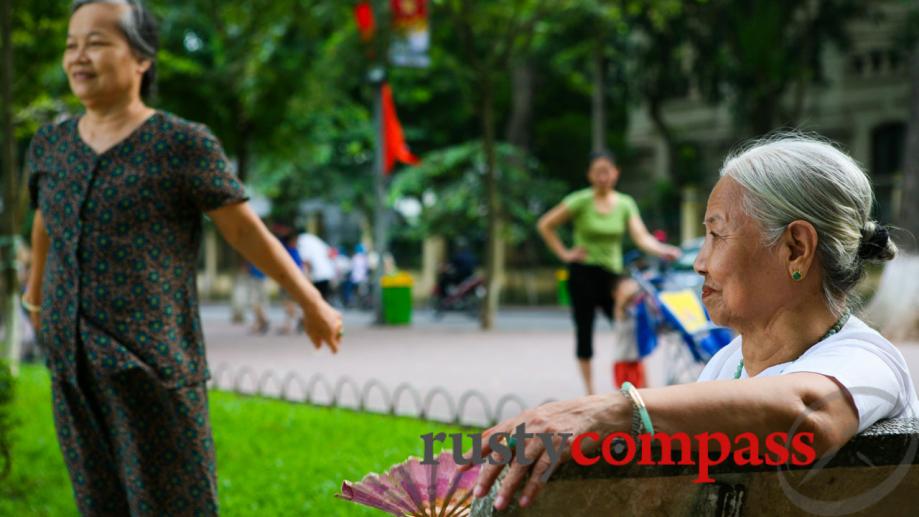
    • Catching some exercise, Hoan Kiem Lake, Hanoi
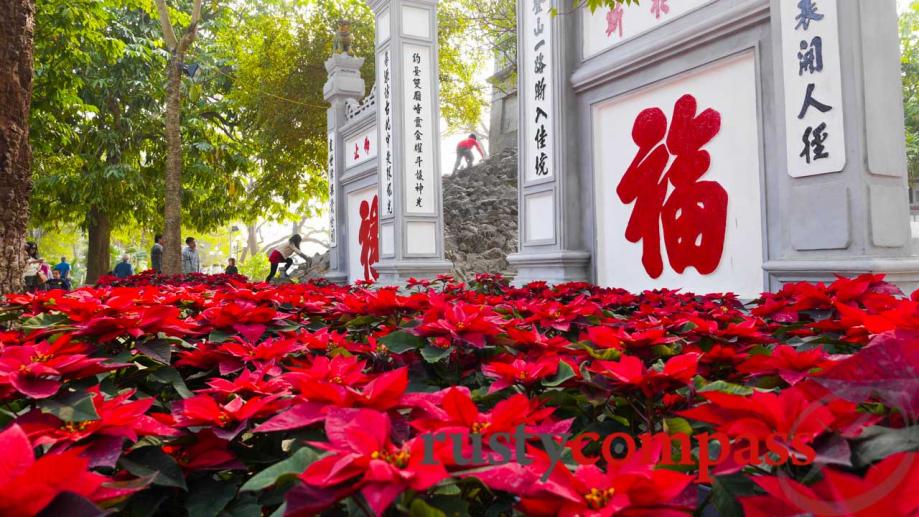
    • Tet (New Year) flowers at Ngoc Son Temple on Hoan...
    • Hanoi's street life may be the most captivating and photogenic...
    • The city is changing fast but some traditions, like the...
    • Antique fan repair shop doubles as a sticky rice vendor...
    • Overtaking a new Porsche, Hanoi. At street level, Hanoi's Old...
    • Hanoi has evolved from bicycles, to Hondas to this.
    • There's plenty that's new in Hanoi's Old Quarter - and...
    • Tourist shops also abound in Hanoi's Old Quarter.
    • The city's architectural magic isn't confined to its large buildings....
    • Hanoi's Old Quarter. Take a look above the awnings if...
    • Hanoi's French colonial heritage marks it out as one of...
    • In the 60 years since the French were unceremoniously sent...
    • One of the most influential architects in Hanoi and Indochina...
    • The Dong Son drum - a symbol of Vietnam's rich...
    • Hanoi's Ba Dinh Square was annointed by the French as...
    • Ho Chi Minh chose Ba Dinh Square for his declaration...
    • Vienam's wartime White House - Uncle Ho's simple house on...
    • And next door to Ho's wooden house and mausoleum is...
    • The Metropole Hotel is another of the city's most celebrated...
    • The Catholic church has been a big player - both...
    • While Hanoi's Old Quarter is the centre of tourism in...
    • The flower lady, Hanoi
    • Wedding season outside Hanoi's Metropole Hotel.
    • Long Bien Bridge is another Hanoi icon. It was built...
    • Long Bien Bridge is still the main rail route to...
    • Hanoi Citadel is the city's newest World Heritage site and...
    • The citadel was the centre of military power in the...
    • It was also at the citadel that I inconguously encountered...
    • The simple reinforced bunker from which a small, poor country...
    • The room in which North Vietnam's campaign against the US...
    • Right by the citadel, Hanoi's Military History Museum is a...
    • US military junk at the museum, including the wreckage of...
    • A cat rests among the wreckage of a B52.
    • Hanoi's Hoa Lo prison gained notoriety in the West during...
    • For the Vietnamese, Hoa Lo's infamy dates back to its...
    • This monument marks the lake in Hanoi from which John...
    • Hanoi celebrated 1000 years since its founding back in 2010....
    • 60 years later in 1070, Hanoi's first university, dedicated to...
    • Ho Chi Minh has become a deity of sorts in...
    • Hanoi is one of the few cities in the world...
    • For many travellers, food is a major reason for visiting...
    • Another Hanoi culinary specialty not to be missed is cha...
    • And quite a few travellers are so taken with the...
    • Hanoi's food culture is still focused on the streets.
    • But it needn't be all outdoors. In recent years, Hanoi...
    • Hanoi's colonial villas are being transformed into restaurants, bars and...
    • Nightlife isn't Hanoi's strong suit - but an exuberant crowd...
    • 3 hours from Hanoi is World Heritage listed Halong Bay,...
    • Spending a night on the bay provides time for some...
    • Ninh Binh province is 100kms from Hanoi and is home...
    • Boat trips through the stunning landscape are very popular.
    • Taking a break with my boat captain.
    • Ninh Binh is home to some of Vietnam's most spectacular...
    • Mai Chau is a popular getaway from Hanoi for those...
    • Longhouse homestay, Mai Chau.
    • Mai Chau.
    • The overnight train north to the Chinese border carries locals...
    • Sapa town may have been overrun by tourists and sellers,...
    • Flower Hmong woman, outside Sapa
    • Flower Hmong girl, Bac Ha, near Sapa.
    • The rice harvest outside Sapa
    • A Red Dzao woman  with beautiful handmade fabrics in...
    • The fabric of Sapa (with a few Chinese fakes thrown...
    • An afternoon walk from Sapa town.
    • The countryside around Sapa is truly breathtaking.
    • Towards Dien Bien Phu from Sapa.
    • On the road to Dien Bien Phu from Sapa.
    • The drive from Sapa west to Dien Bien Phu covers...
    • On the road to Dien Bien Phu
    • Dien Bien Phu remains an incredibly evocative battlefield. The town...
    • The Dien Bien Phu bunker from which the French commander...
    • Most travellers to Vietnam's remote north head to Sapa. In...
    • Ha Giang Province.
    • Ha Giang Province.
    • Ha Giang Province.
    • The driver between Dong Van and Meo Vac is one...
    • Meo Vac, Ha Giang Province.
    • Sunday market at Meo Vac.
    • Ba Be Lake, in the national parlk of the same...
    • Ba Be Lake is the largest natural lake in Vietnam...

    Introduction

    Planning to travel to Hanoi and Vietnam’s northern mountain country? This pictorial travel guide will give you an idea of the visual richness of Vietnam’s capital and the spectacular country that surrounds it. It includes Hanoi, Halong Bay, Ninh Binh, Mai Chau, Sapa, Dien Bien Phu, Ha Giang and Ba Be Lake. I hope it helps you choose between the many amazing things to see in Vietnam's north. Check out Rusty Compass for more more galleries, videos and independent travel info about all these places.

    • ©Photo: Mark Bowyer
    • ©Photo: Mark Bowyer
    • ©Photo: Mark Bowyer
    • ©Photo: Mark Bowyer
    • ©Photo: Mark Bowyer
    • ©Photo: Mark Bowyer
    • ©Photo: Mark Bowyer
    • ©Photo: Mark Bowyer
    • ©Photo: Mark Bowyer
    • ©Photo: Mark Bowyer
    • ©Photo: Mark Bowyer
    • ©Photo: Mark Bowyer
    • ©Photo: Mark Bowyer
    • ©Photo: Mark Bowyer
    • ©Photo: Mark Bowyer
    • ©Photo: Mark Bowyer
    • ©Photo: Mark Bowyer
    • ©Photo: Mark Bowyer
    • ©Photo: Mark Bowyer
    • ©Photo: Mark Bowyer
    • ©Photo: Mark Bowyer
    • ©Photo: Mark Bowyer
    • ©Photo: Mark Bowyer
    • ©Photo: Mark Bowyer
    • ©Photo: Mark Bowyer
    • ©Photo: Mark Bowyer
    • ©Photo: Mark Bowyer
    • ©Photo: Mark Bowyer
    • ©Photo: Mark Bowyer
    • ©Photo: Mark Bowyer
    • ©Photo: Mark Bowyer
    • ©Photo: Mark Bowyer
    • ©Photo: Mark Bowyer
    • ©Photo: Mark Bowyer
    • ©Photo: Mark Bowyer
    • ©Photo: Mark Bowyer
    • ©Photo: Mark Bowyer
    • ©Photo: Mark Bowyer
    • ©Photo: Mark Bowyer
    • ©Photo: Mark Bowyer
    • ©Photo: Mark Bowyer
    • ©Photo: Mark Bowyer
    • ©Photo: Mark Bowyer
    • ©Photo: Mark Bowyer
    • ©Photo: Mark Bowyer
    • ©Photo: Mark Bowyer
    • ©Photo: Mark Bowyer
    • ©Photo: Mark Bowyer
    • ©Photo: Mark Bowyer
    • ©Photo: Mark Bowyer
    • ©Photo: Mark Bowyer
    • ©Photo: Mark Bowyer
    • ©Photo: Mark Bowyer
    • ©Photo: Mark Bowyer
    • ©Photo: Mark Bowyer
    • ©Photo: Mark Bowyer
    • ©Photo: Mark Bowyer
    • ©Photo: Mark Bowyer
    • ©Photo: Mark Bowyer
    • ©Photo: Mark Bowyer
    • ©Photo: Mark Bowyer
    • ©Photo: Mark Bowyer
    • ©Photo: Mark Bowyer
    • ©Photo: Mark Bowyer
    • ©Photo: Mark Bowyer
    • ©Photo: Mark Bowyer
    • ©Photo: Mark Bowyer
    • ©Photo: Mark Bowyer
    • ©Photo: Mark Bowyer
    • ©Photo: Mark Bowyer
    • ©Photo: Mark Bowyer
    • ©Photo: Mark Bowyer
    • ©Photo: Mark Bowyer
    • ©Photo: Mark Bowyer
    • ©Photo: Mark Bowyer
    • ©Photo: Mark Bowyer
    • ©Photo: Mark Bowyer
    • ©Photo: Mark Bowyer
    • ©Photo: Mark Bowyer
    • ©Photo: Mark Bowyer
    • ©Photo: Mark Bowyer
    • ©Photo: Mark Bowyer
    • ©Photo: Mark Bowyer
    • ©Photo: Mark Bowyer
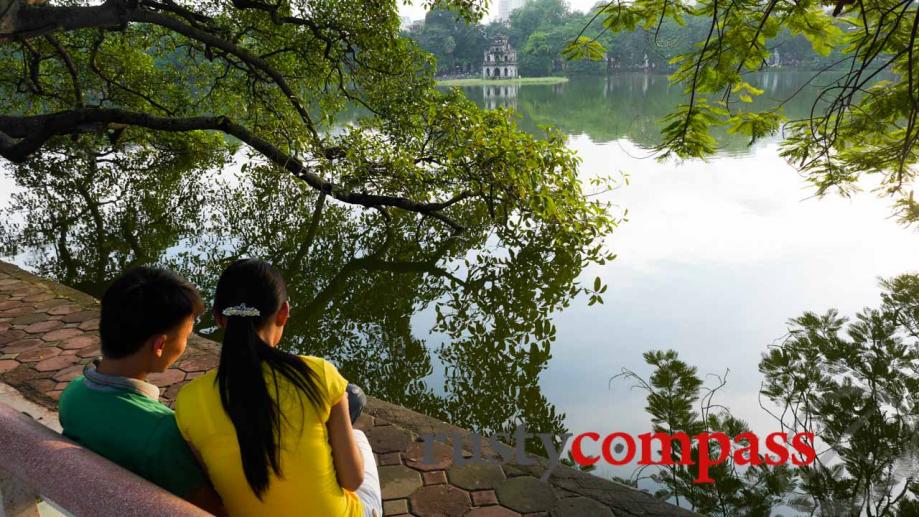
    • Hanoi's Hoan Kiem Lake is the spiritual heart of the city and a good place to start your exploration. Vietnamese young and old flock to the lake each day for exercise, a chat or a spot of romance
    • Hanoi's elderly, who gather here in large numbers, are an especially delightful feature of the lake life. It's in stark contrast to the near invisibility of the elderly in public spaces in western cities.
    • In Hanoi the battle rages between the old and new, tradition and modernity. Selfies at Hoan Kiem Lake.
    • Catching some exercise, Hoan Kiem Lake, Hanoi
    • Tet (New Year) flowers at Ngoc Son Temple on Hoan Kiem Lake.
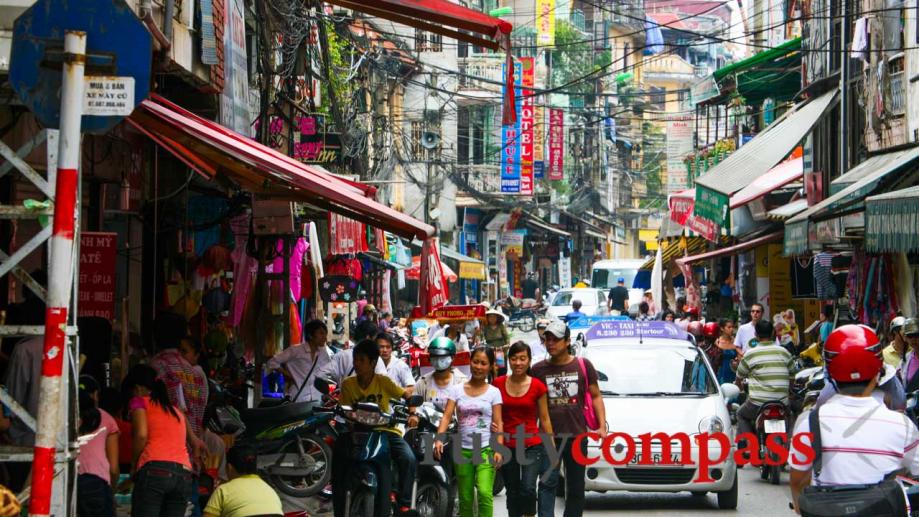
    • Hanoi's street life may be the most captivating and photogenic of any Asian city. Make sure you spend time wandering aimlessly. This is Hanoi's Old Quarter.
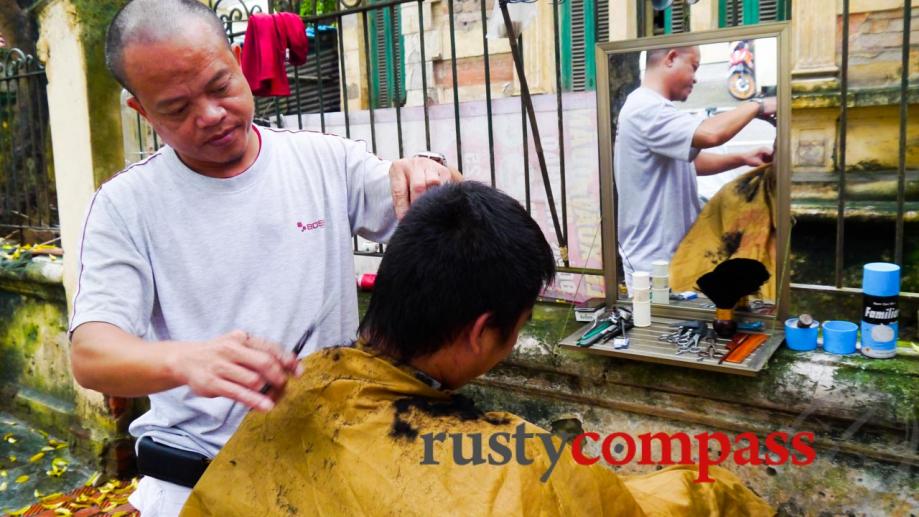
    • The city is changing fast but some traditions, like the streetside haircut, are holding on.
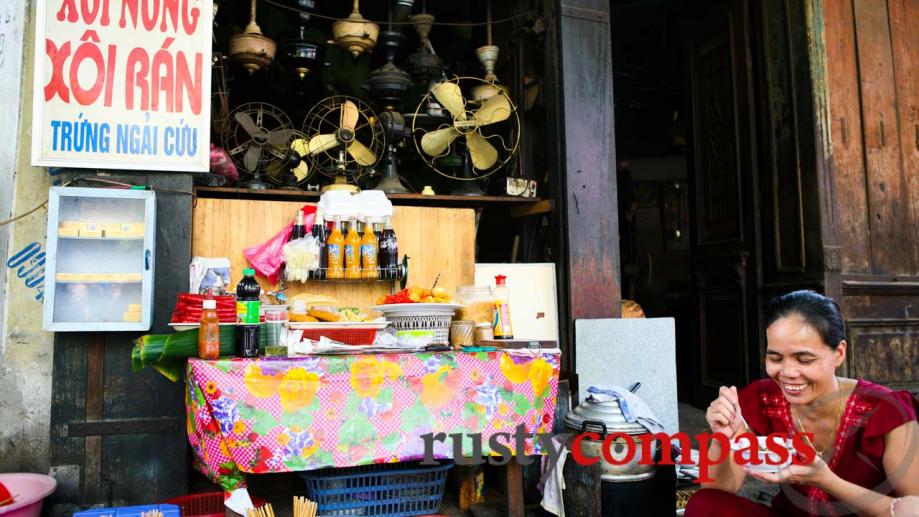
    • Antique fan repair shop doubles as a sticky rice vendor in Hanoi's Old Quarter.
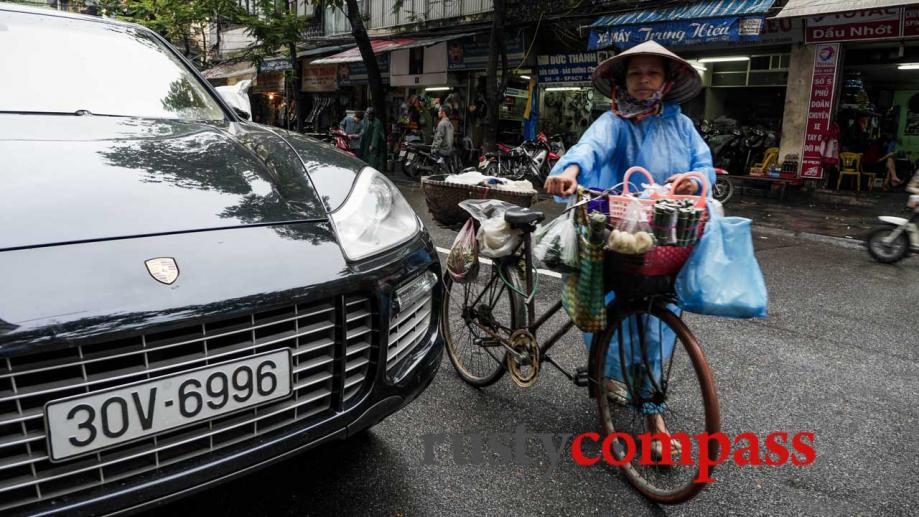
    • Overtaking a new Porsche, Hanoi. At street level, Hanoi's Old Quarter is a feast of sights and sounds as a stubborn old world collides against a new rich anxious to show off their toys. Hanoi showcases Vietnam's gaping wealth inequality more than any city in the country.
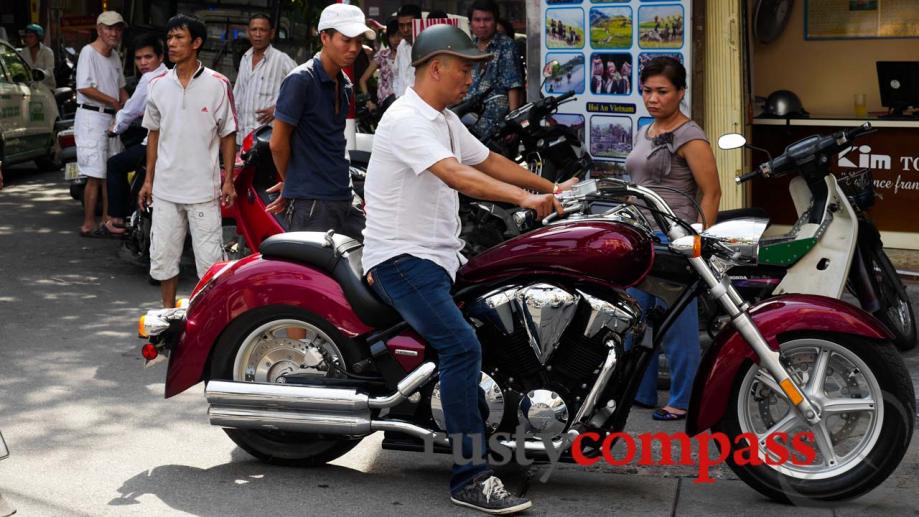
    • Hanoi has evolved from bicycles, to Hondas to this.
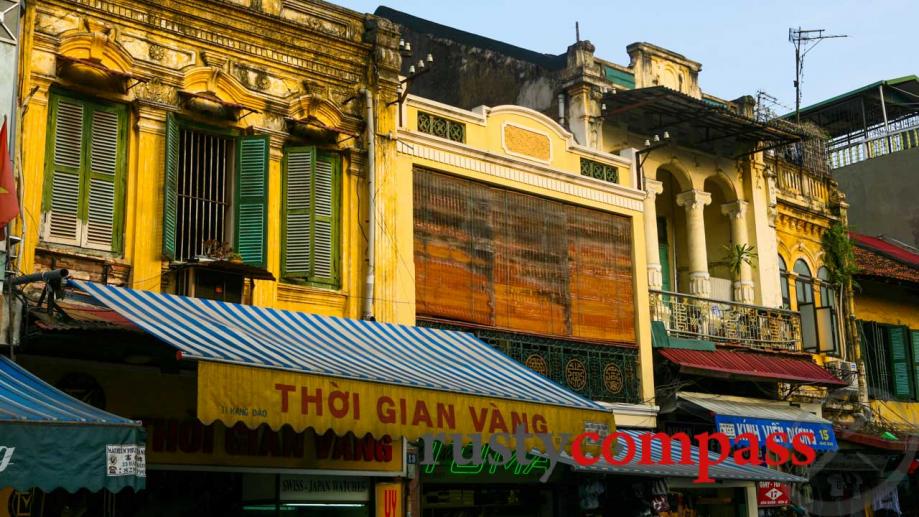
    • There's plenty that's new in Hanoi's Old Quarter - and there's so much happening at street level that it's sometimes hard to raise your eyes above the awnings for a glimpse at the old buildings.
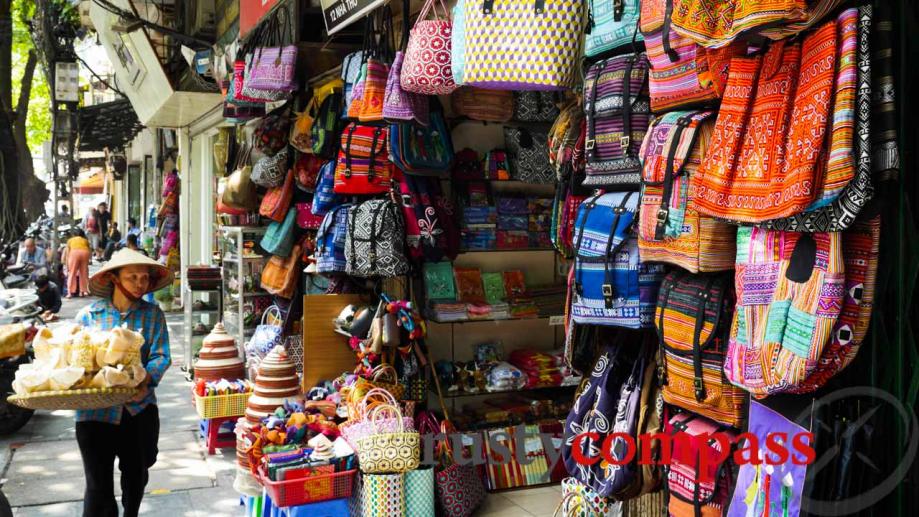
    • Tourist shops also abound in Hanoi's Old Quarter.
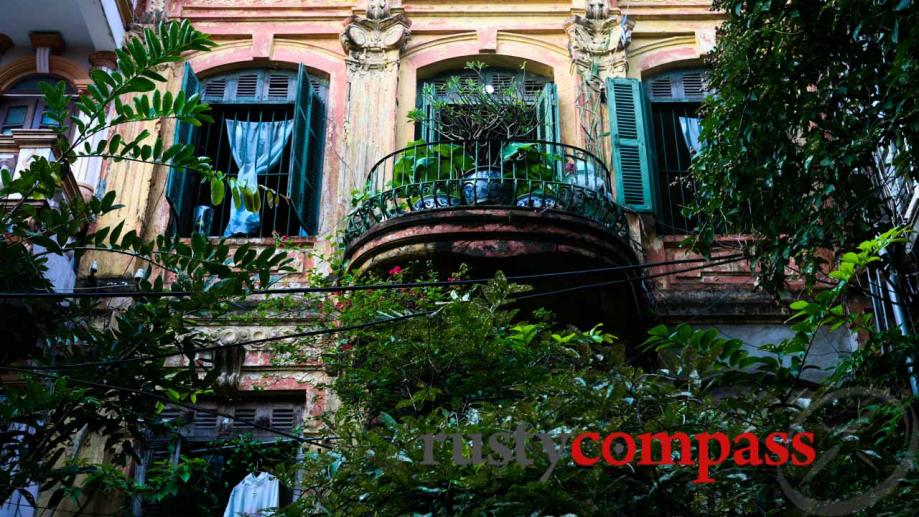
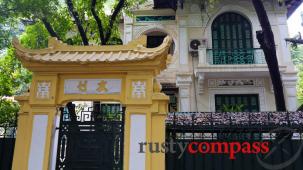
    • The city's architectural magic isn't confined to its large buildings. There are hundreds of wonderful structures from villas to these tube houses. This one is in the famed Old Quarter of 36 streets. Most buildings in the Old Quarter date back to the 19th century and early 20th century. They're not terribly old. Increasingly, these buildings are being demolished to make way for tourist hotels.
    • Hanoi's Old Quarter. Take a look above the awnings if you can - without getting collected by a passing motorbike.
    • Hanoi's French colonial heritage marks it out as one of the most architecturally interesting cities in South East Asia. As the former centre of colonial power, it is home to the most impressive collection of French colonial buildings in Indochina - from grand government edifices to quaint villas. This is the former residence of the Resident Superior of Tonkin. Built in 1918, Ho Chi Minh used it as his office after his declaration of independence from France in 1945, until war with France forced him out in 1946. It is now part of the Government Guest House complex and is located in central Hanoi across the road from the Metropole Hotel.
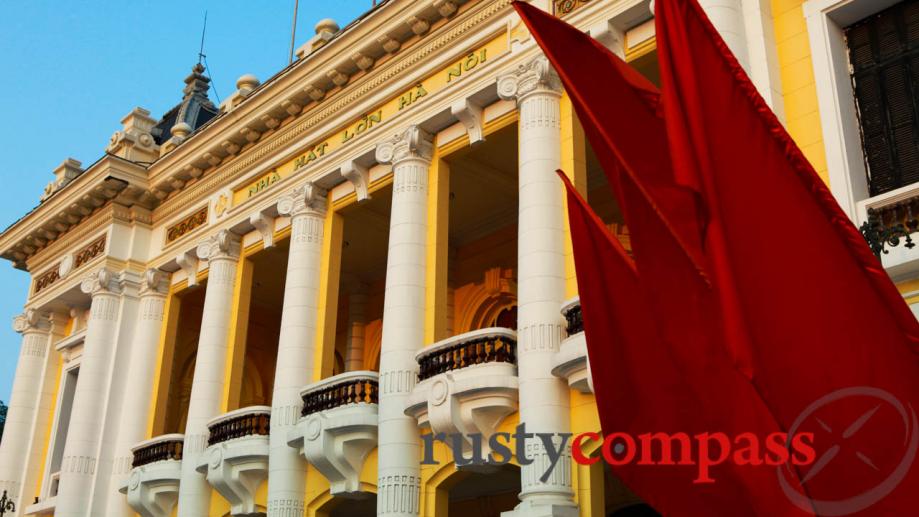
    • In the 60 years since the French were unceremoniously sent packing in 1954, colonial era buildings have become part of a very Vietnamese city fabric. This is Hanoi's Opera House - built at the beginning of the twentieth century when French administered harsh taxation, forced labour as well as opium and alcohol monopolies funded a major investment in public buildings and infrastructure. Many of the colonial buildings we now celebrate were built on ruthless exploitation of the local population. The Opera House is modelled on Garnier's in Paris. Try and catch a show while you're in Hanoi. At minimum, grab a late afternoon drink in the garden bar outside.
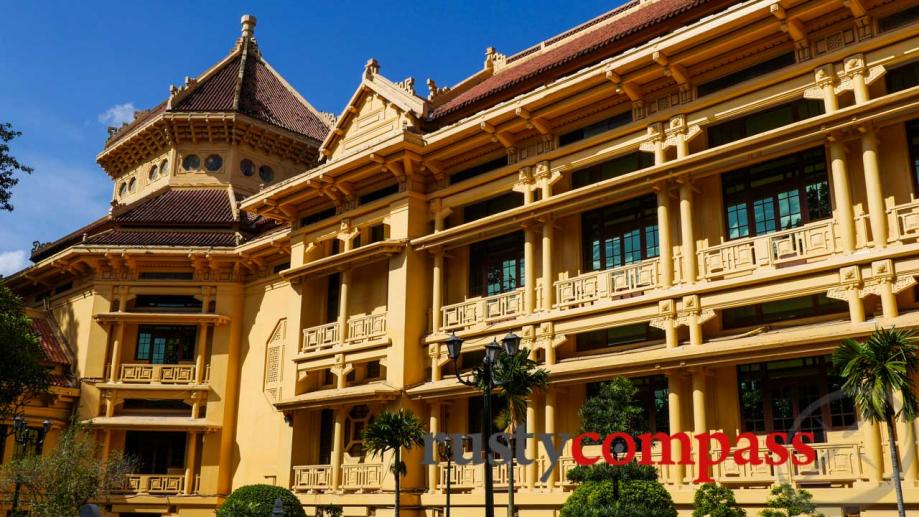
    • One of the most influential architects in Hanoi and Indochina was Ernest Hebrard. Hebrard arrived in Hanoi in the early 1920s. Instead of reproducing buildings purely European in style, he added local design features and also took the colony's weather conditions into account. He pioneered what is known as the "Indochine" architectural style and was behind many of Hanoi's most striking buildings as well as buildings throughout the colony. This was the Louis Finot Museum and is now the Vietnamese History Museum - arguably the city's most important museum.
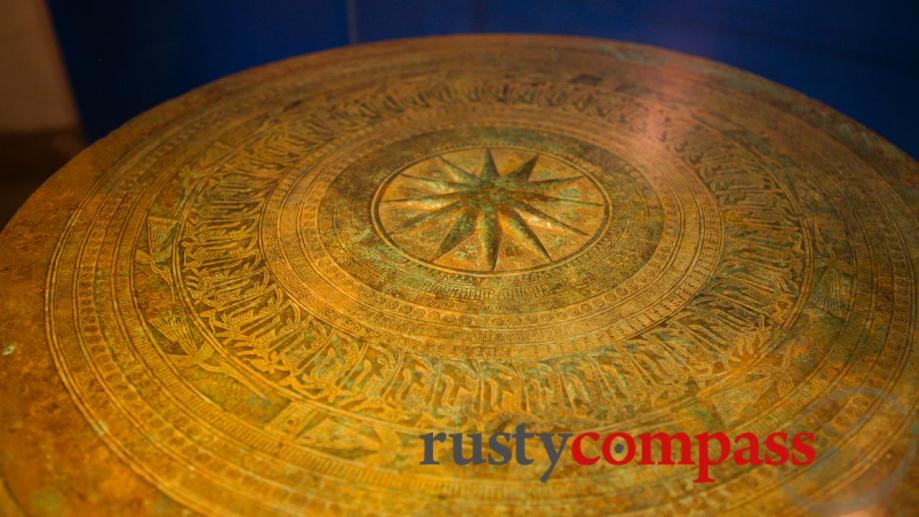
    • The Dong Son drum - a symbol of Vietnam's rich Bronze Age civilisation, on display at the Museum of Vietnamese History. Most of Hanoi's museums are unsurprisingly preoccupied telling the country's war history. The Museum of Vietnamese History takes a welcome broader view.
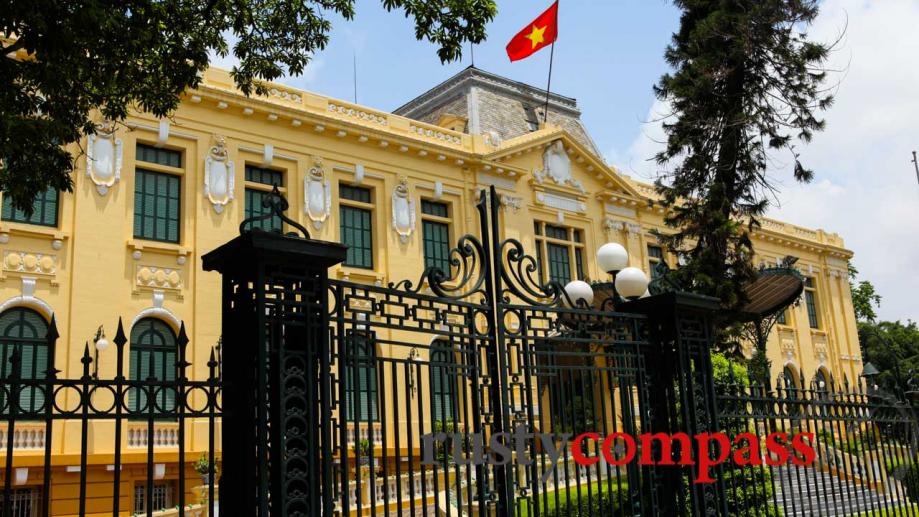
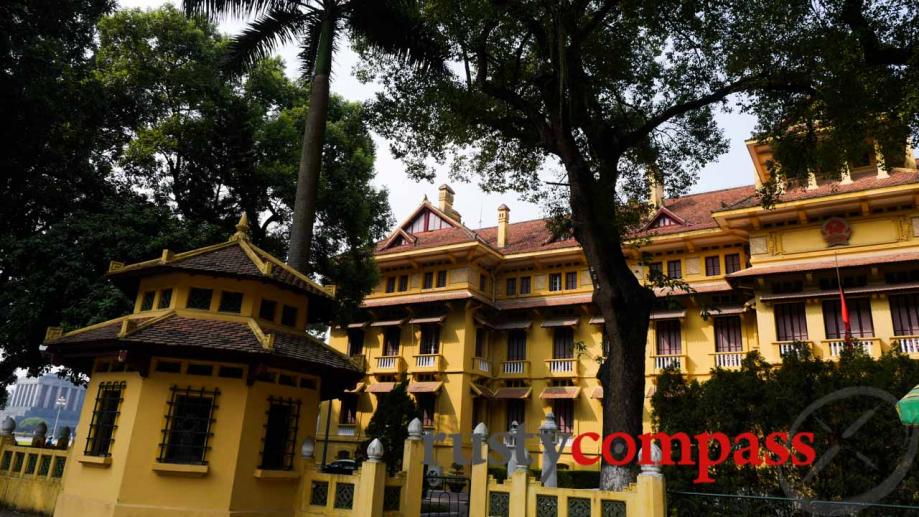
    • Hanoi's Ba Dinh Square was annointed by the French as the centre of colonial government in Indochina. This buiding was the colonial Ministry of Finance and was also an Ernest Hebrard creation. It carries his trademark elements - mixing Eurpopean and local styles. The building is now the Ministry of Foreign Affairs.
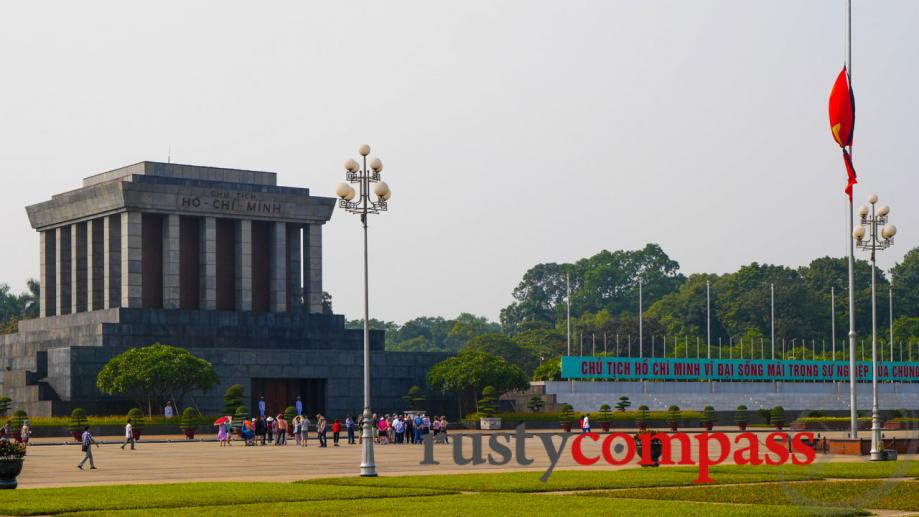
    • Ho Chi Minh chose Ba Dinh Square for his declaration of independence from French colonial rule on September 2 1945. The declaration was made in the space immediately in front of the mausoleum. The sign at the right reads "The great Ho Chi Minh lives forever in our vocations". This shot was taken in 2013 during the mourning of the death of Ho Chi Minh's most celebrated military commander, General Vo Nguyen Giap - hence the flag at half staff. Ho Chi Minh requested to be cremated. Instead, he was embalmed and placed in this Soviet style edifice.
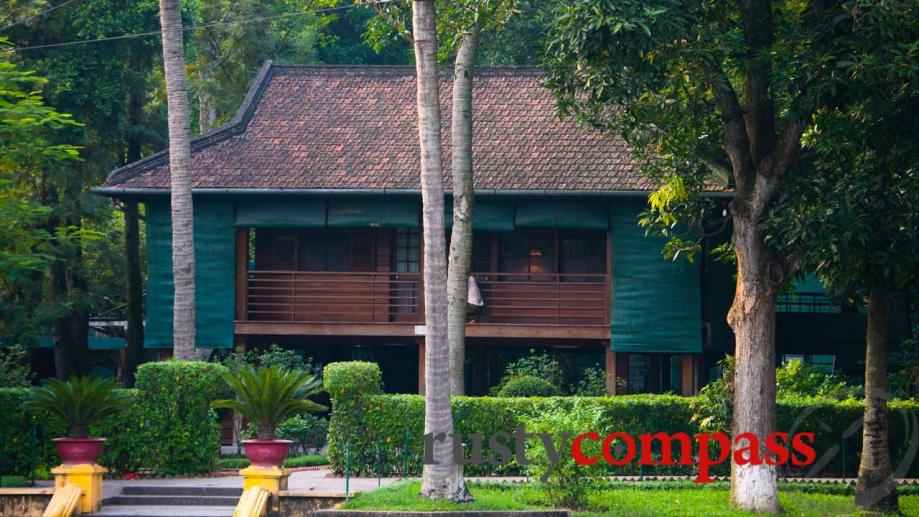
    • Vienam's wartime White House - Uncle Ho's simple house on stilts is located right behind his mauoleum. It's a delightful place and seems a better fit for popular representations of Ho than the stony, cold structure in which he now lies. It's possible to visit Ho's mausoleum and his former house. The quirky Ho Chi Minh Museum and One Pillar Pagoda are also close by. Allow plenty of time for Ba Dinh Square rambling.
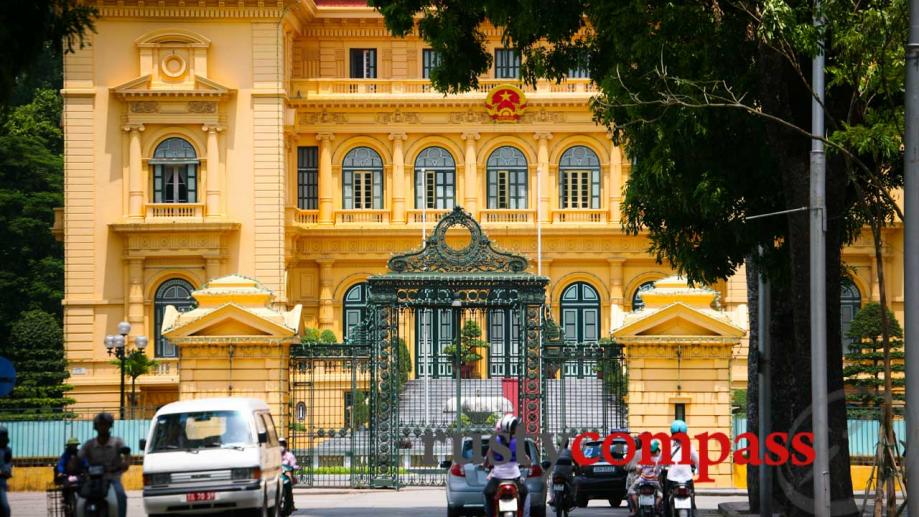
    • And next door to Ho's wooden house and mausoleum is the former French Governor's mansion - now the Presidential Palace. Ho refused to live here after becoming president. His asceticism seems not to have been passed on to the current generation of national leaders.
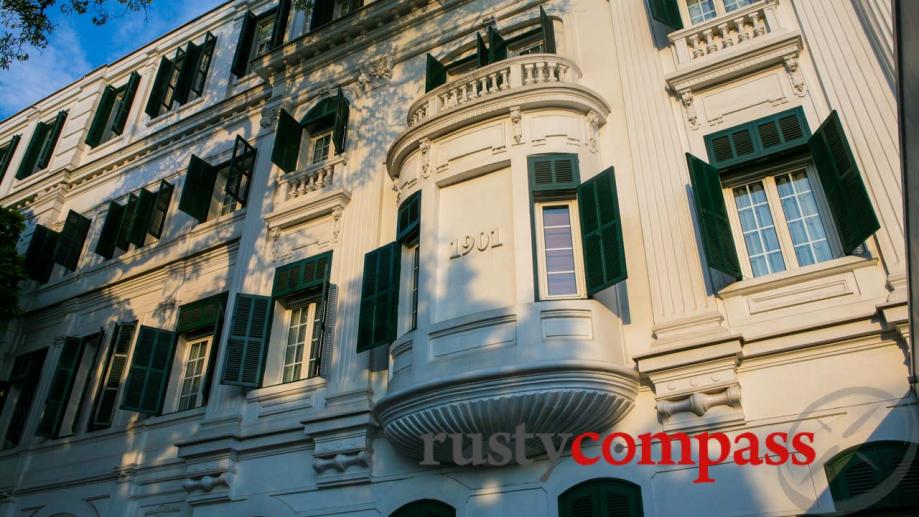
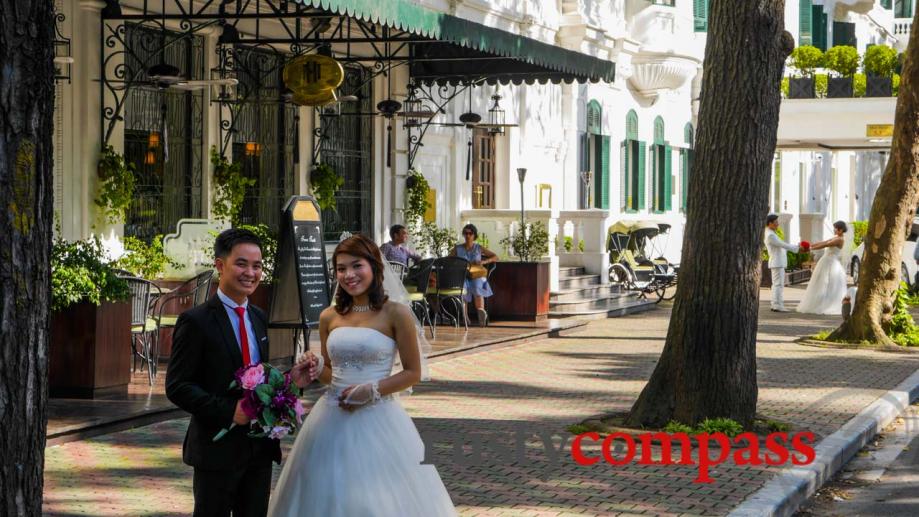
    • The Metropole Hotel is another of the city's most celebrated colonial buildings and is also its most impressive hotel. It was in a state of disrepair in the early nineties when renovations began. For the past twenty years, it's been the favoured accommodation for world leaders, celebrities and business people. Joan Baez, who spent the 1972 bombing of Hanoi in a bunker under the hotel, returned in 2013 to visit the now reopened bunker.
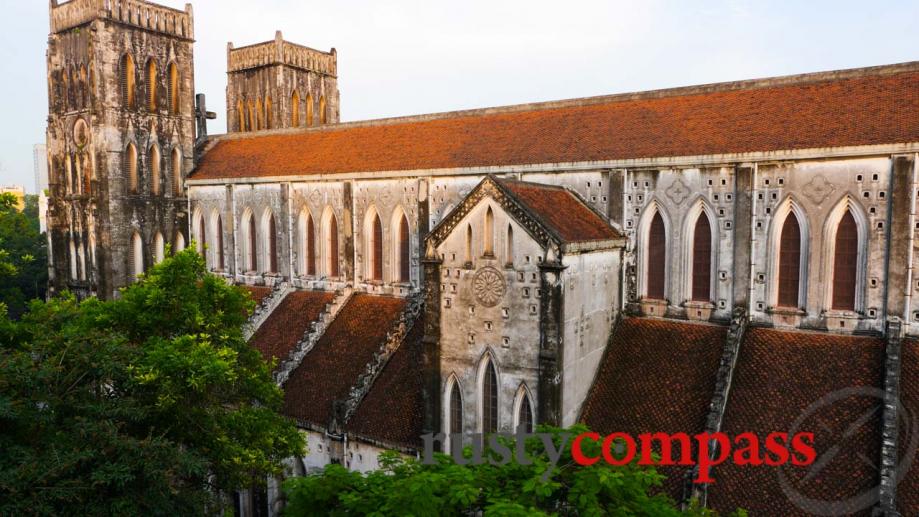
    • The Catholic church has been a big player - both good and bad, in Vietnam's history. St Joseph's Cathedral is at the centre of the church's impressive and at times controversial downtown land holdings. Built in 1886, the cathedral is among the older major colonial era buildings still standing in the capital.
    • While Hanoi's Old Quarter is the centre of tourism in the city, it's not very friendly to walkers. Other parts of the city, especially the picturesque areas around Ba Dinh Square and the "French Quarter" around the Metropole Hotel, are far more hospitable, architecturally interesting and great for absorbing Hanoi's wonderful streetlife.
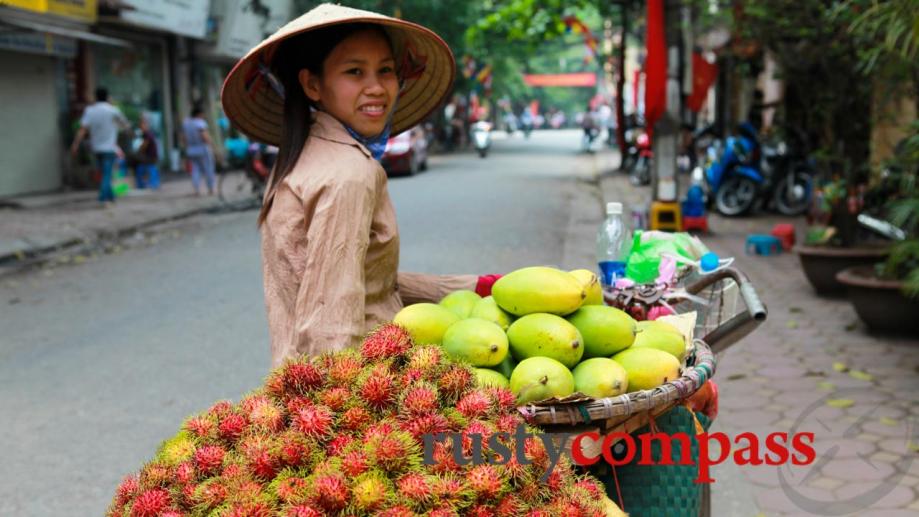
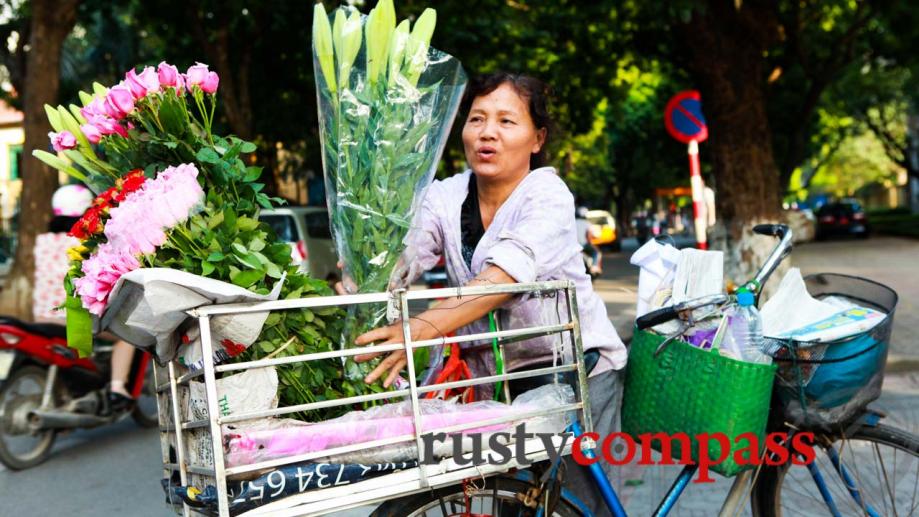
    • The flower lady, Hanoi
    • Wedding season outside Hanoi's Metropole Hotel.
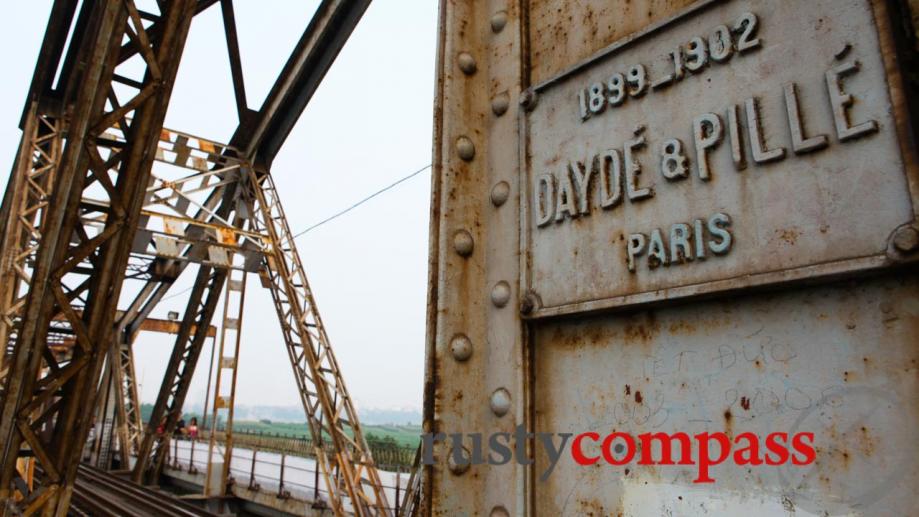
    • Long Bien Bridge is another Hanoi icon. It was built at the height of the French colonial period. With a span of 1.7kms across the Red River, it was, at the time, one of Asia's most impressive bridges and an important engineering achievement. The bridge connected Hanoi with the port of Haiphong and the north of the country. It was a strategic target for American bombers during the Vietnam War and it still carries the scars.
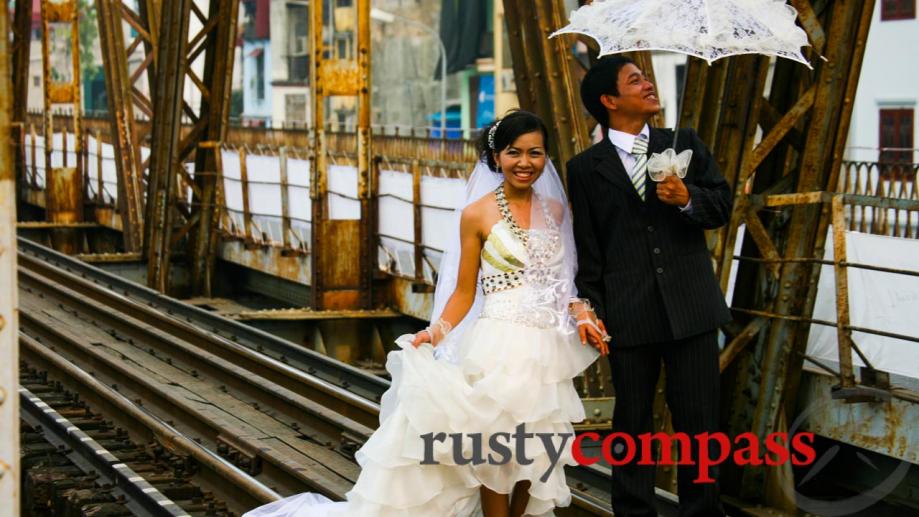
    • Long Bien Bridge is still the main rail route to the port of Haiphong and like other French colonial creations, is a favourite spot for wedding photography. A walk across the bridge is a great way to spend a late summer afternoon.
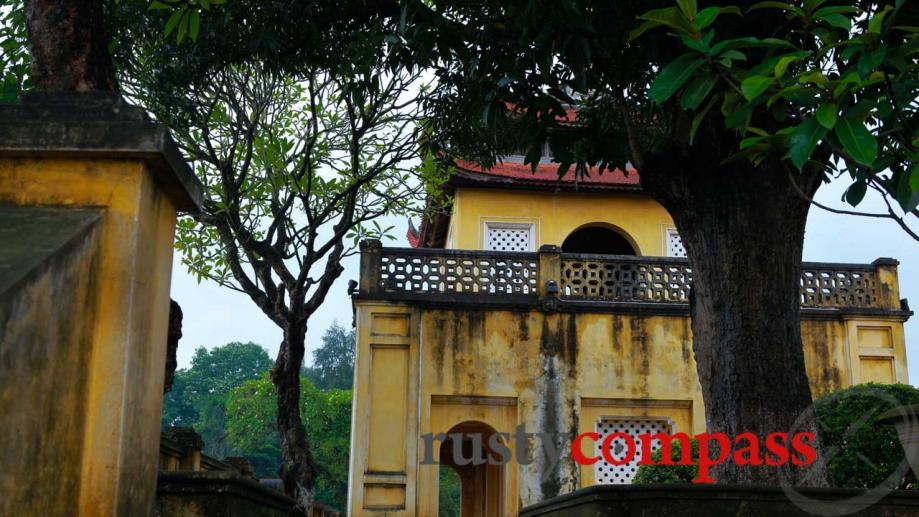
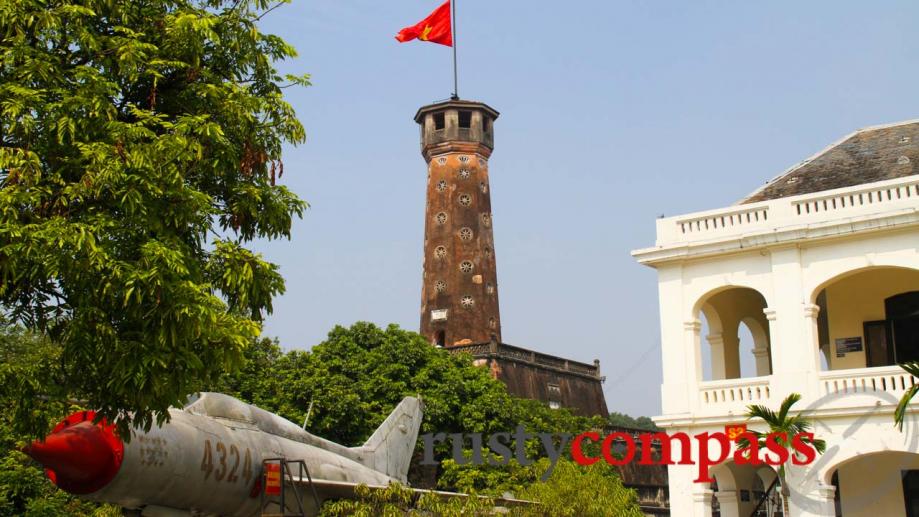
    • Hanoi Citadel is the city's newest World Heritage site and has only been open to the public for a few years. Despite its historical significance, many travellers still miss it.
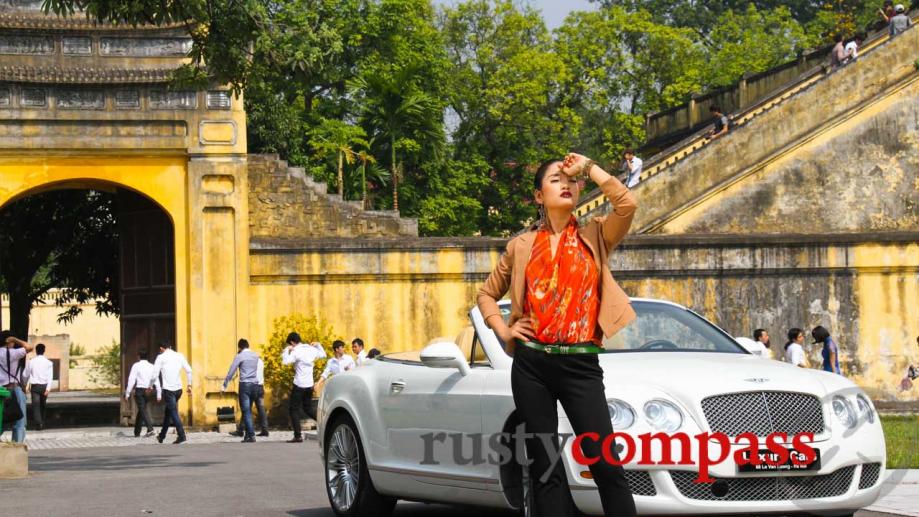
    • The citadel was the centre of military power in the capital for centuries. It was from here that Vietnam's generals guided the country's Vietnam War campaigns. Here, this former stronghold of hardline communism is used to showcase a new Bentley.
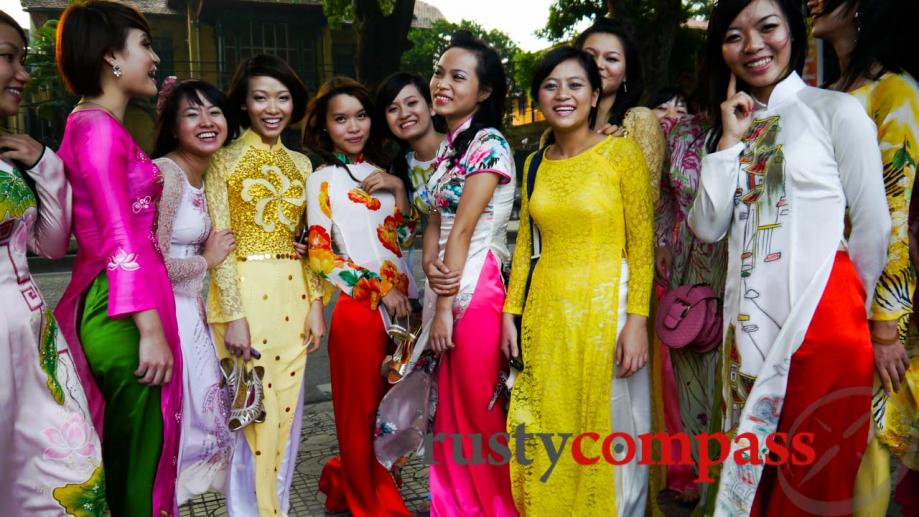
    • It was also at the citadel that I inconguously encountered this group of young Hanoi beauties dressed in the traditional ao dai.
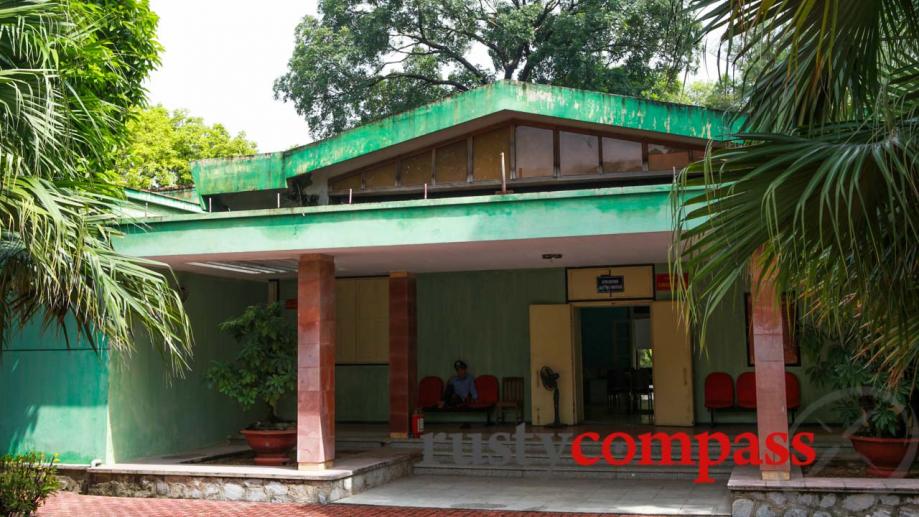
    • The simple reinforced bunker from which a small, poor country engineered the humbling of the United States. Hanoi's "Pentagon" is located in the citadel complex
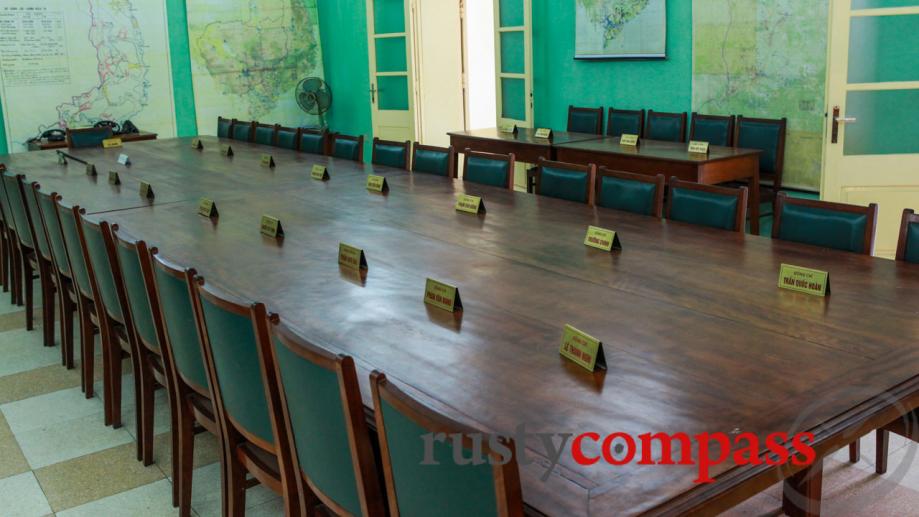
    • The room in which North Vietnam's campaign against the US supported South was planned - in the citadel complex.
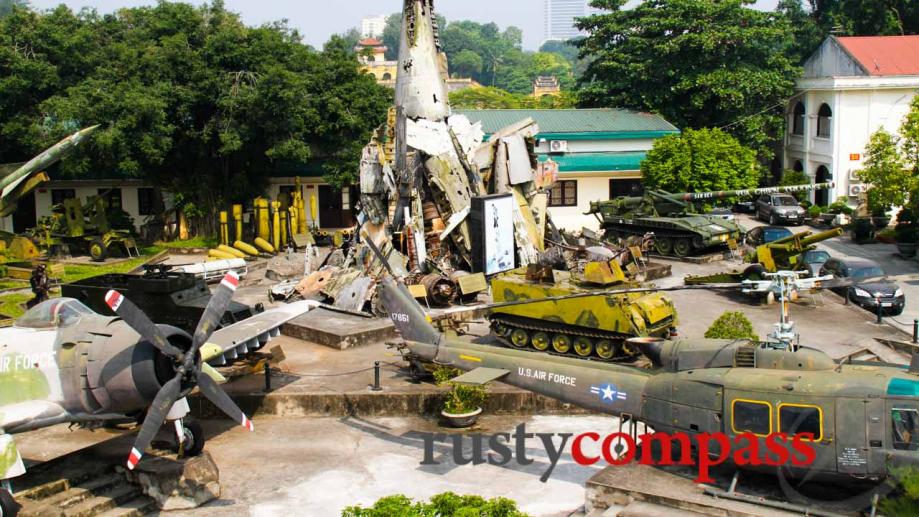
    • Right by the citadel, Hanoi's Military History Museum is a must see for budding historians.
    • US military junk at the museum, including the wreckage of a B52 bomber.
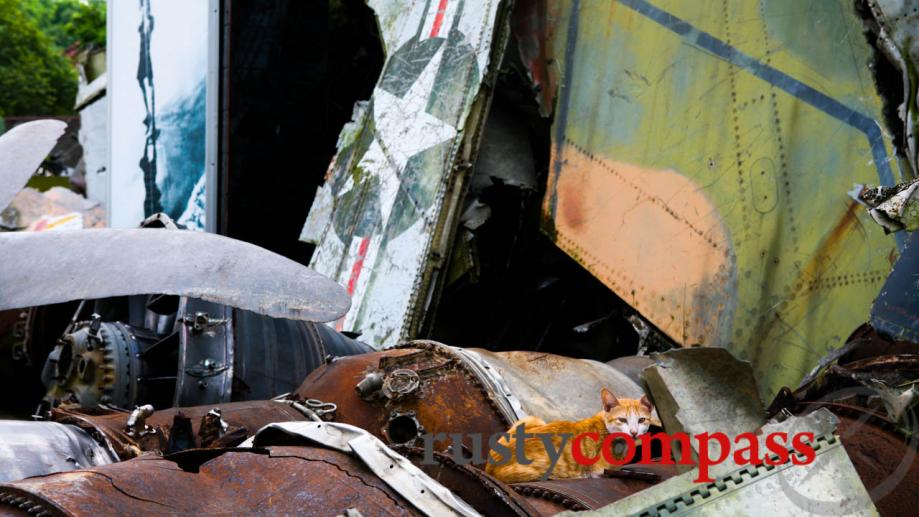
    • A cat rests among the wreckage of a B52.
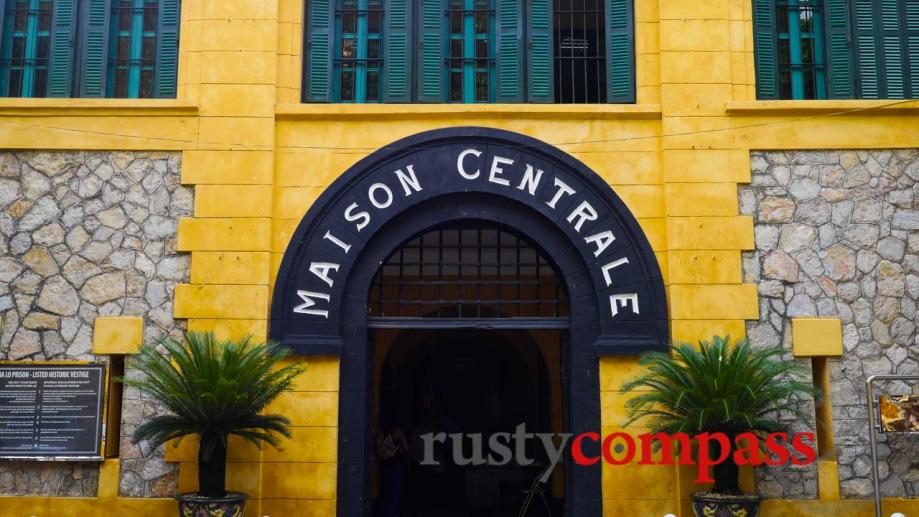
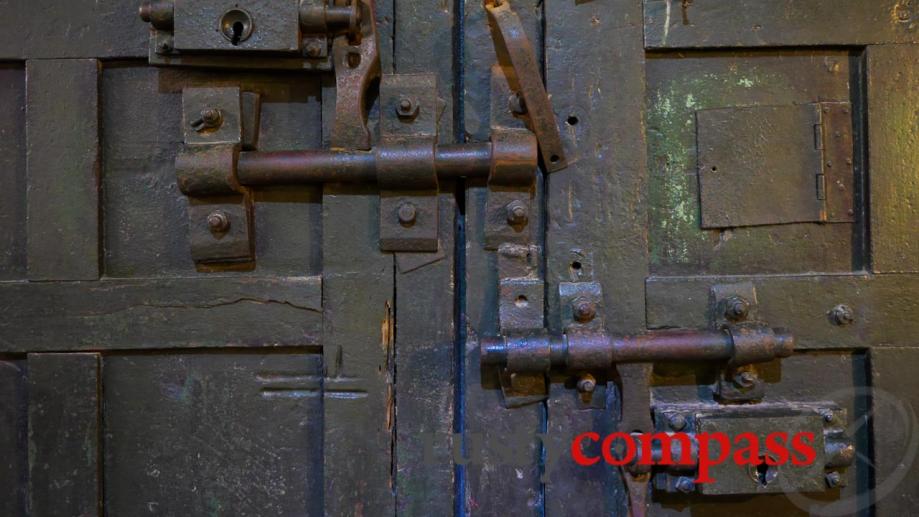
    • Hanoi's Hoa Lo prison gained notoriety in the West during the Vietnam War as the "Hanoi Hilton". US Senator John McCain was among those held here after being shot down over Hanoi.
    • For the Vietnamese, Hoa Lo's infamy dates back to its creation by the French. Many of Vietnam's most celebrated communist leaders were subjected to barbaric incarceration here. The prison was shut down for redevelopment as apartments in the early 90s. One wing was retained which is now a museum.
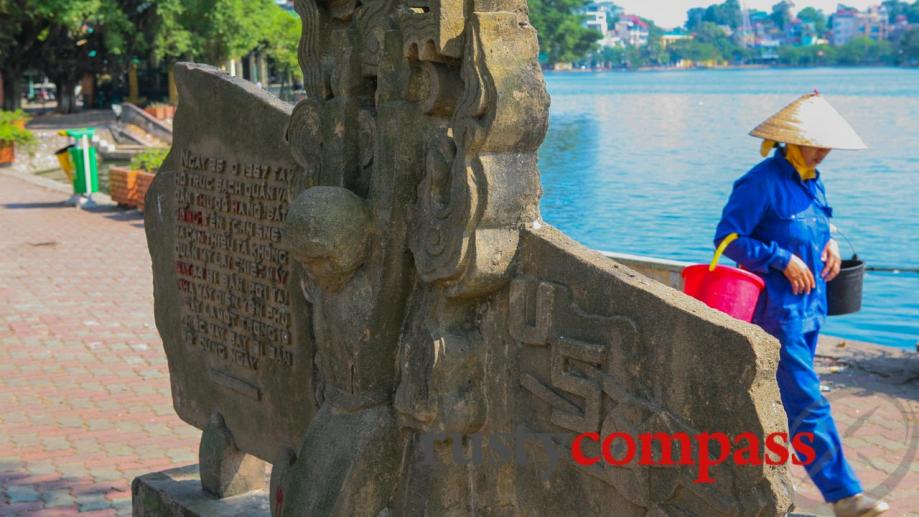
    • This monument marks the lake in Hanoi from which John McCain was pulled in 1967. It's something of Cold War relic. McCain has been a regular visitor to Vietnam since the 90s and was, along with John Kerry, an influentlal supporter of the normalisation of relations between the two countries under the Clinton administration.
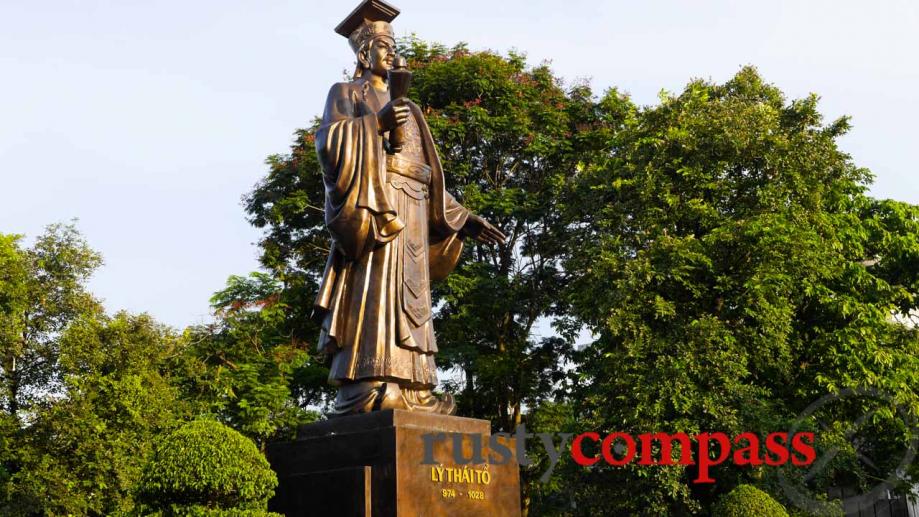
    • Hanoi celebrated 1000 years since its founding back in 2010. This man, Ly Thai To, established the city at the beginning of a flourishing of what was then a small state.
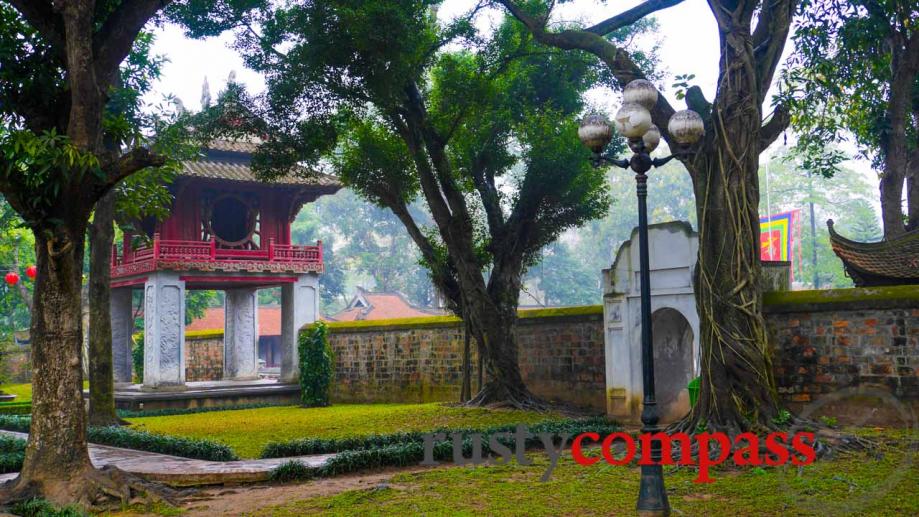
    • 60 years later in 1070, Hanoi's first university, dedicated to Confucius opened. It's now known as the Temple of Literature. This shot shows Hanoi in winter. Vietnam's north experiences the four seasons. The winter (December to February) is bleak and grey. But Hanoi's one of those cities where the colder months have a special resonance - more so when you're only staying a few days.
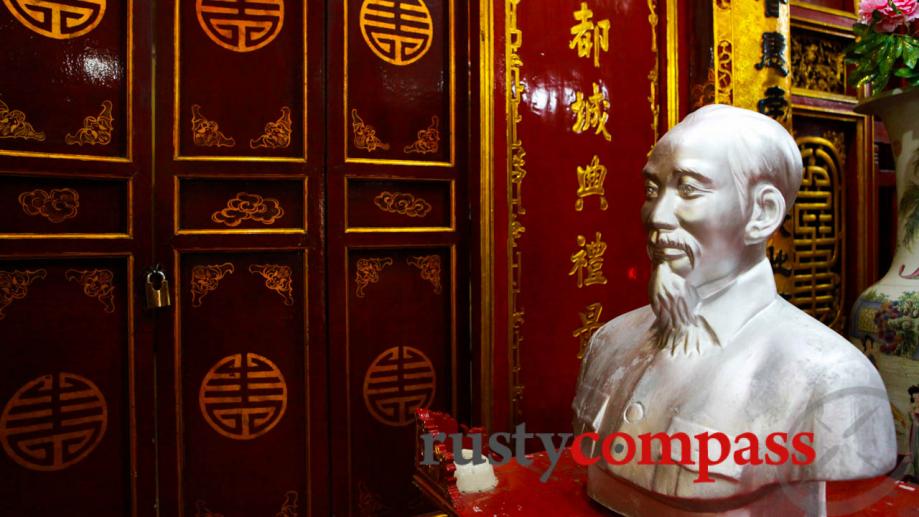
    • Ho Chi Minh has become a deity of sorts in communist Vietnam with his bust frequently appearing in Buddhist pagodas.
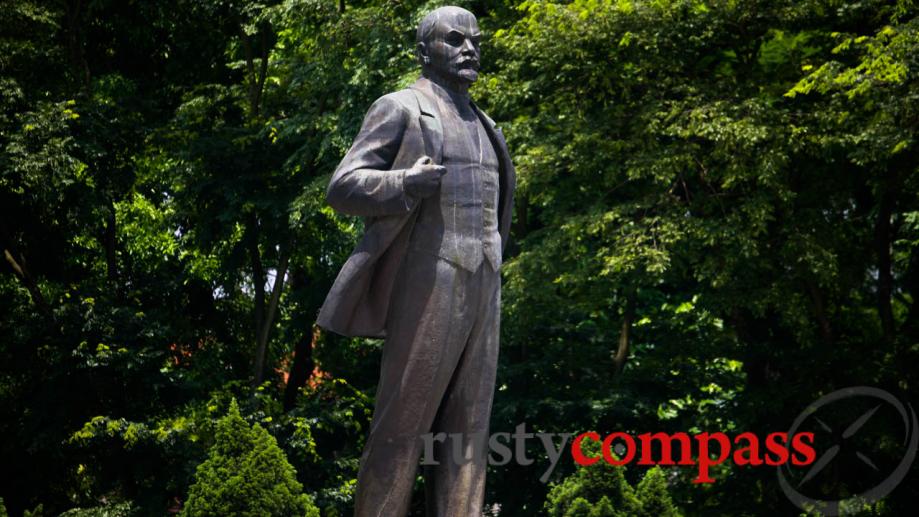
    • Hanoi is one of the few cities in the world that still has a statue of Lenin in a prominent place.
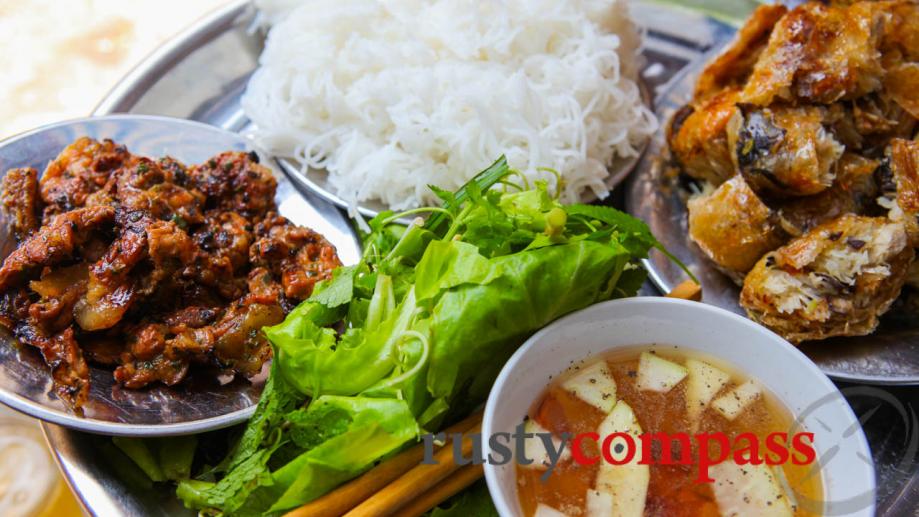
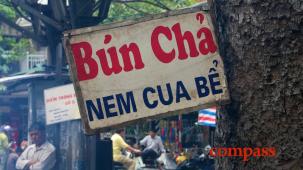
    • For many travellers, food is a major reason for visiting Hanoi. This is bun nem and bun cha, delicious local noodle dishes that shouldn't be missed.
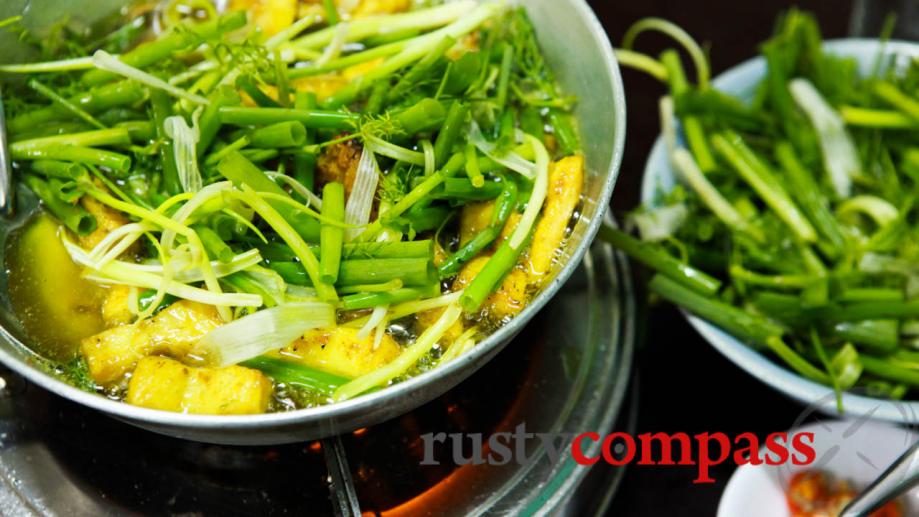
    • Another Hanoi culinary specialty not to be missed is cha ca - a pan-fried fish curry with turmeric and dill.
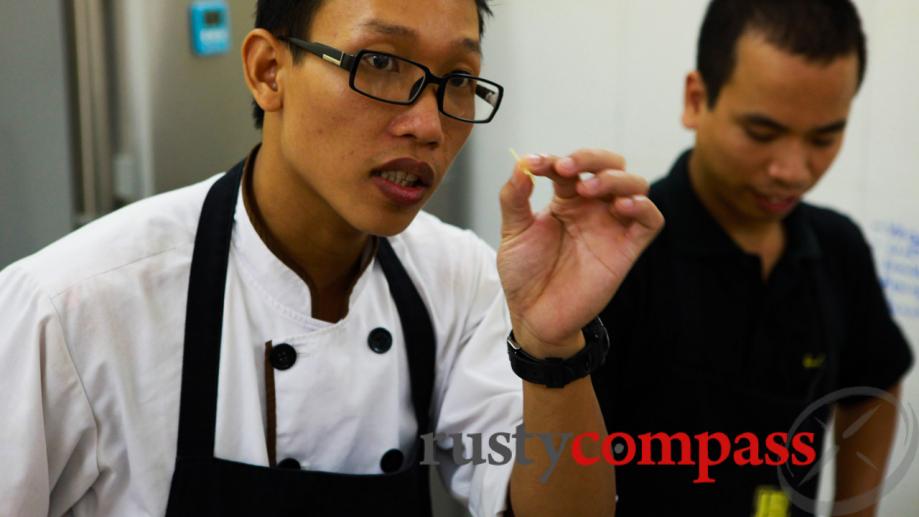
    • And quite a few travellers are so taken with the food that they choose to do a cooking class. This is Hanoi Cooking Centre.
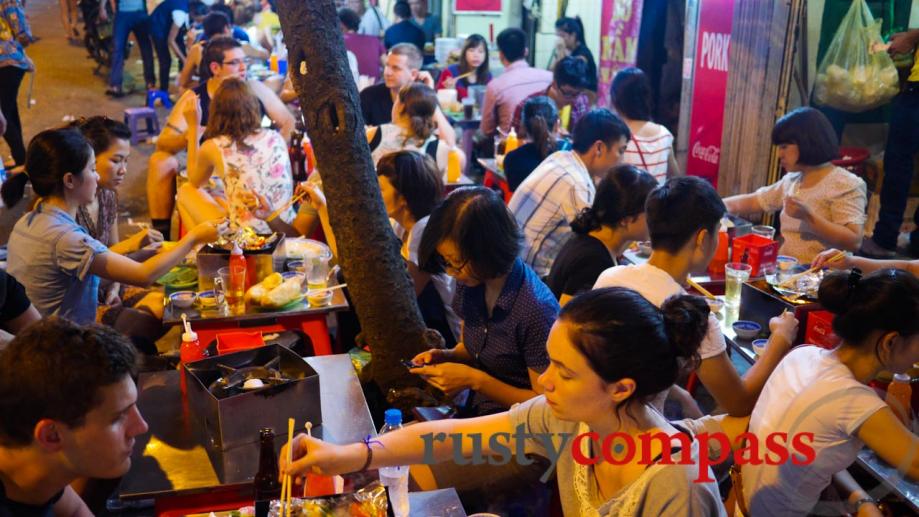
    • Hanoi's food culture is still focused on the streets.
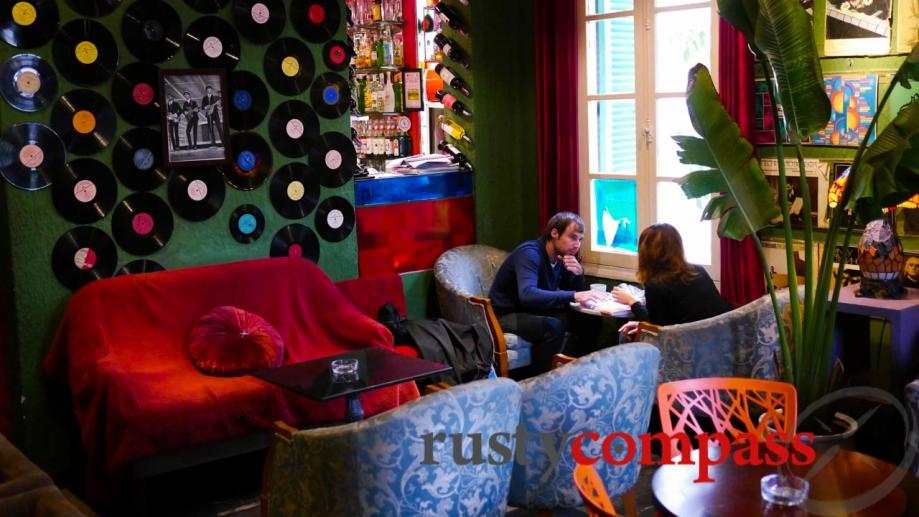
    • But it needn't be all outdoors. In recent years, Hanoi has witnessed a flourishing of cool, quirky cafes like this one, Barbetta - not far from Ba Dinh Square.
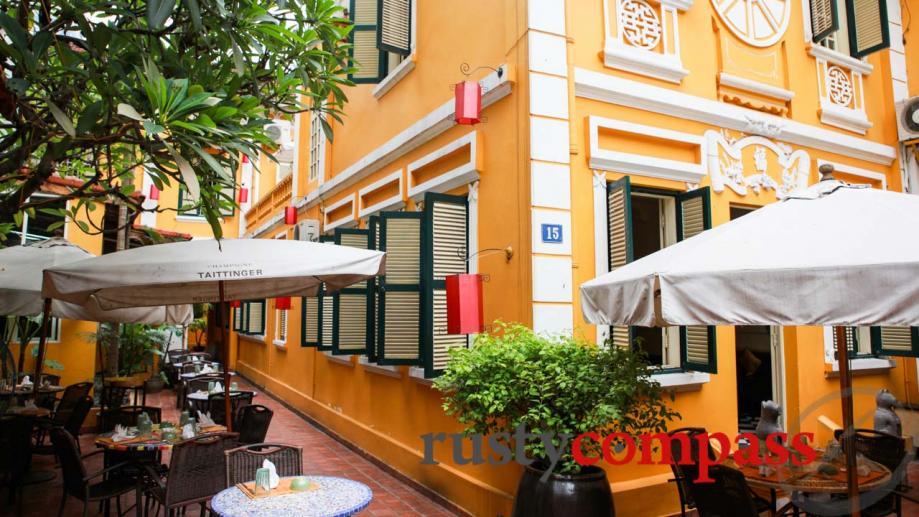
    • Hanoi's colonial villas are being transformed into restaurants, bars and cafes. This is Madam Hien, an upmarket Vietnamese restaurant popular with travellers.
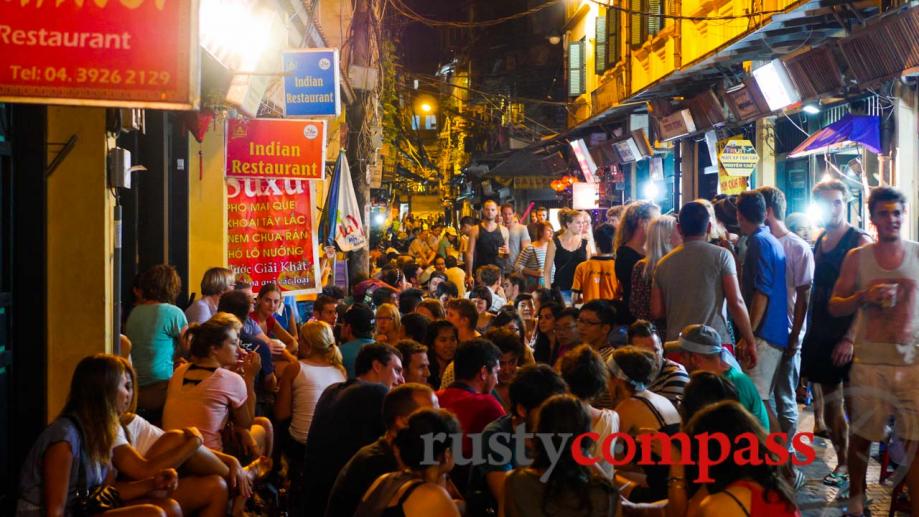
    • Nightlife isn't Hanoi's strong suit - but an exuberant crowd of young locals and foreigners gather each night at Bia Corner at Ta Hien St.
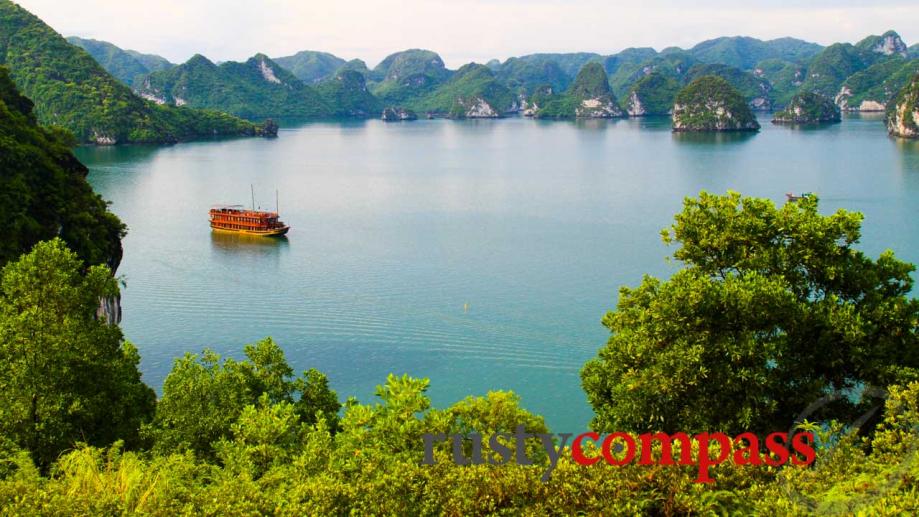
    • 3 hours from Hanoi is World Heritage listed Halong Bay, the most spectacular natural landscape in Vietnam. It's possible to visit the bay in a long day from Hanoi but the best way to experience it is by spending at least one night amongst the thouands of islets.
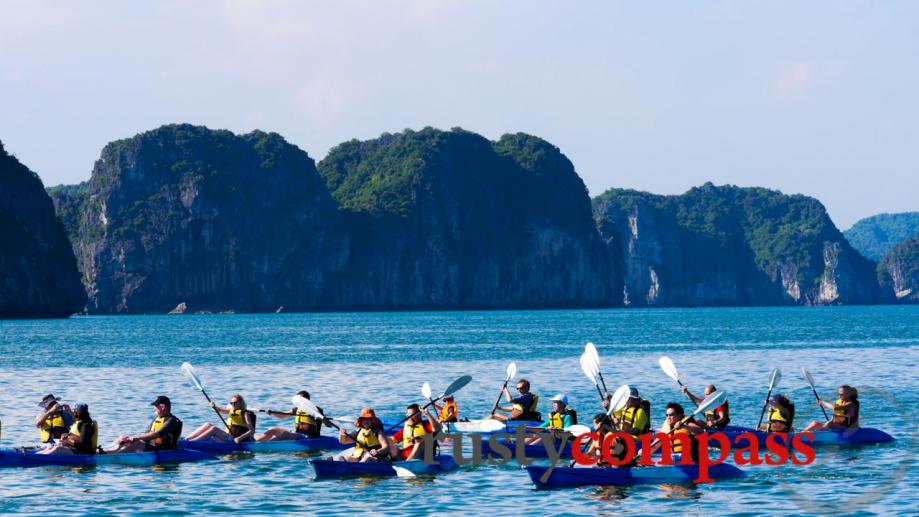
    • Spending a night on the bay provides time for some kayaking and to experience the spectacular sunrise and sunset.
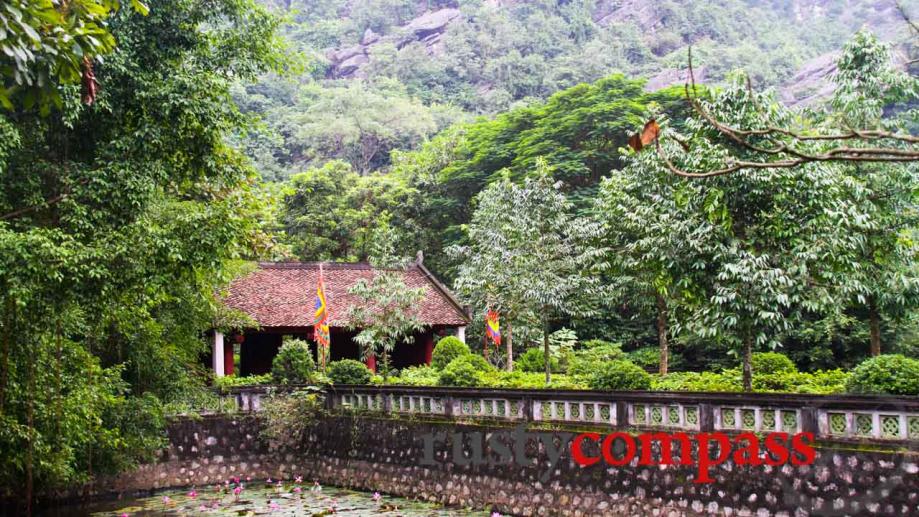
    • Ninh Binh province is 100kms from Hanoi and is home to an historic former capital, Hoa Lu, as well as magnificent karst limestone mountains.Here is a temple remnant of the former capital.
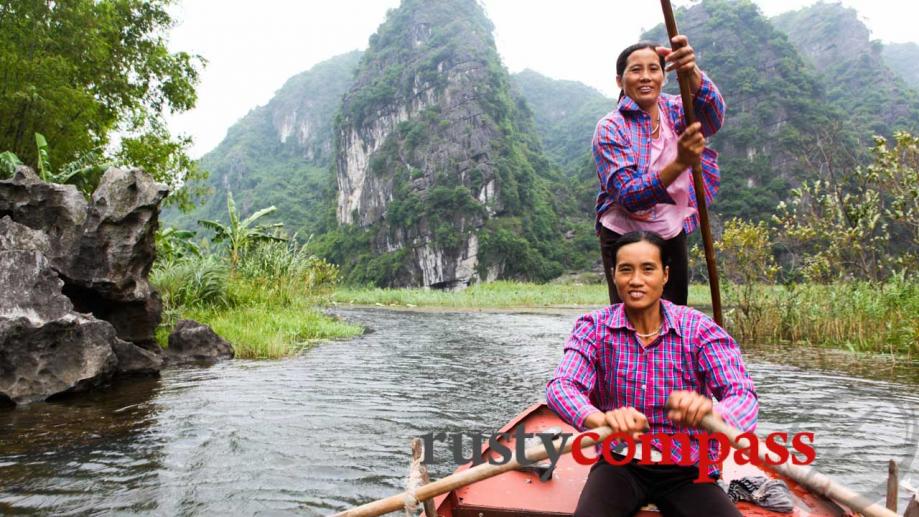
    • Boat trips through the stunning landscape are very popular.
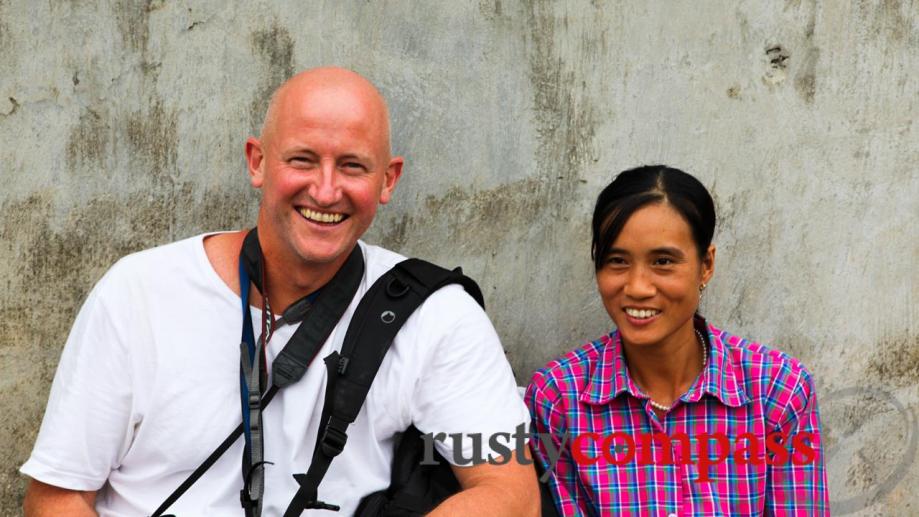
    • Taking a break with my boat captain.
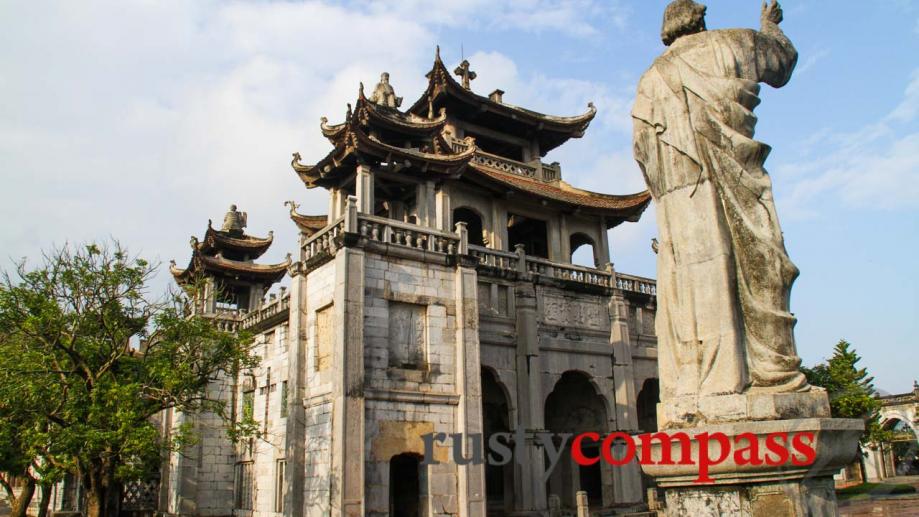
    • Ninh Binh is home to some of Vietnam's most spectacular Catholic cathedrals. This one, at Phat Diem, is memorable because it partially resembles a Buddhist Pagoda and because it was from here that Graham Greene watched battles between Ho Chi Minh's Viet Minh forces and the French in the early 1950s. Most churches in Vietnam show little regard for local architectural styles.
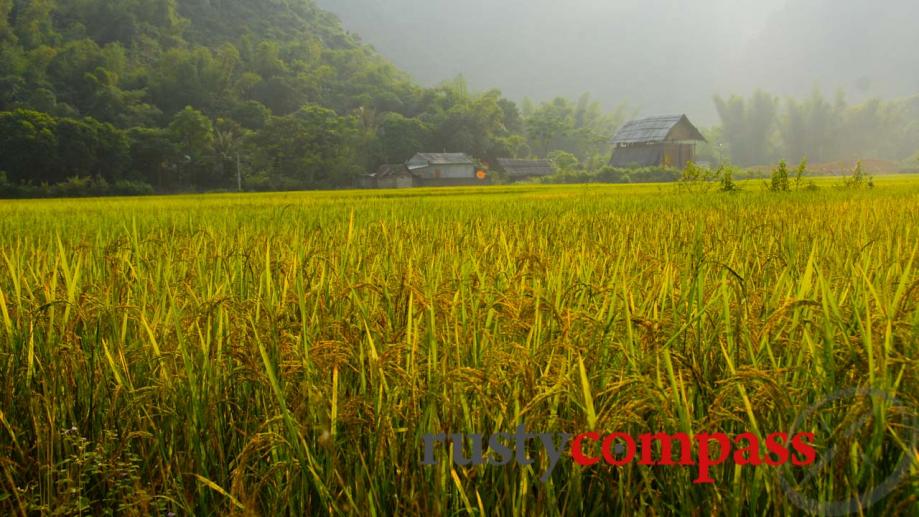
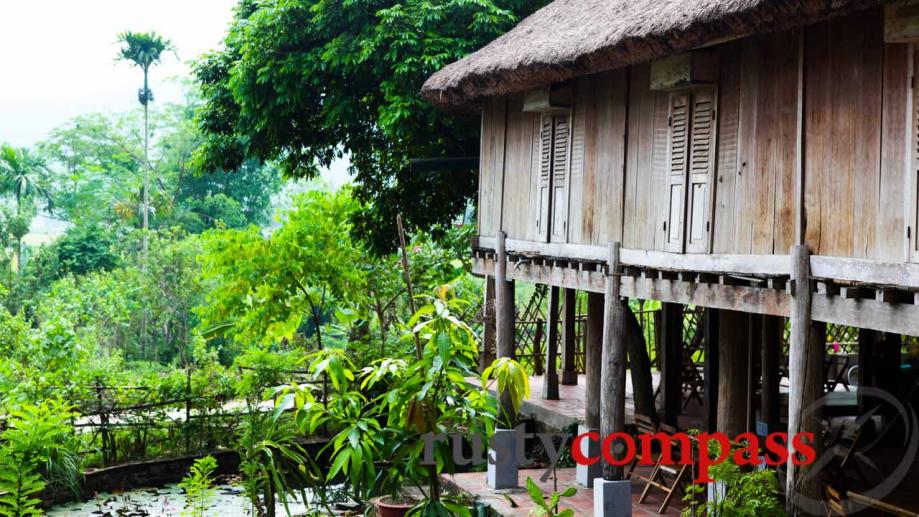
    • Mai Chau is a popular getaway from Hanoi for those wishing to do some trekking or cycling and spend a night in an ethnic Thai longhouse. It's around 3 hours from Hanoi. The landscape is similar to Ninh Binh however it's far less busy and the longhous experience is a delight.
    • Longhouse homestay, Mai Chau.
    • Mai Chau.
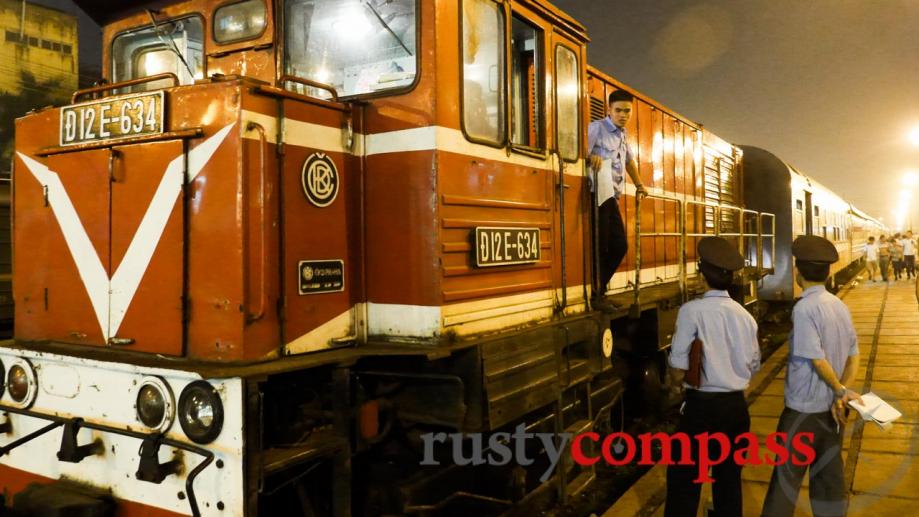
    • The overnight train north to the Chinese border carries locals and travellers towards Sapa, the most popular of Vietnam's remote mountain towns. Sapa is famed for its terraced rice fields and ethnic minority cultures.
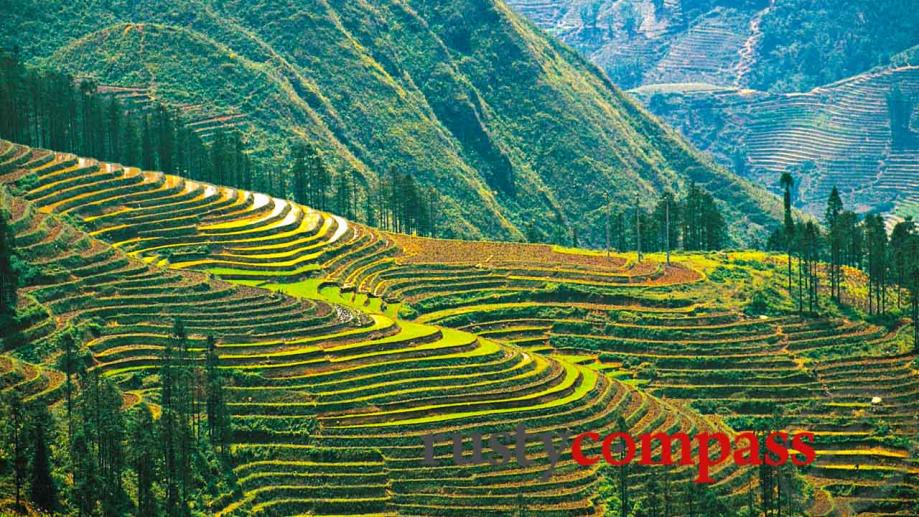
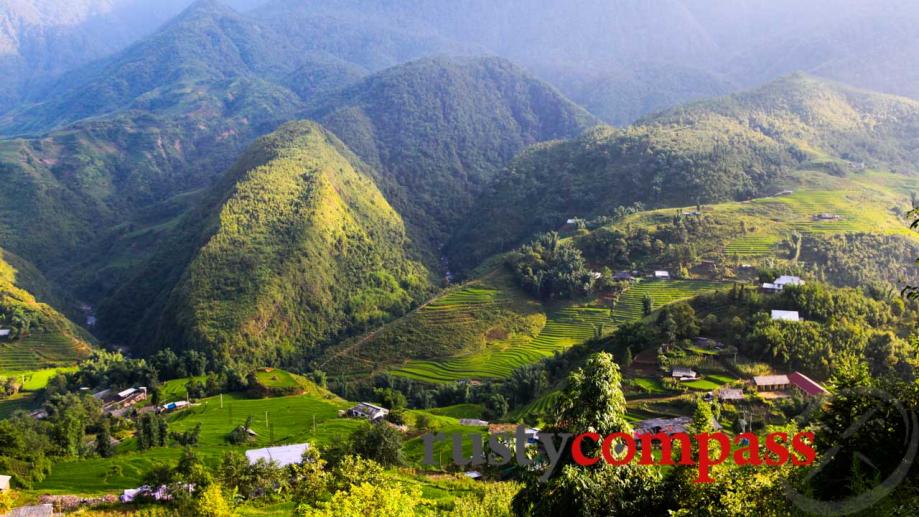
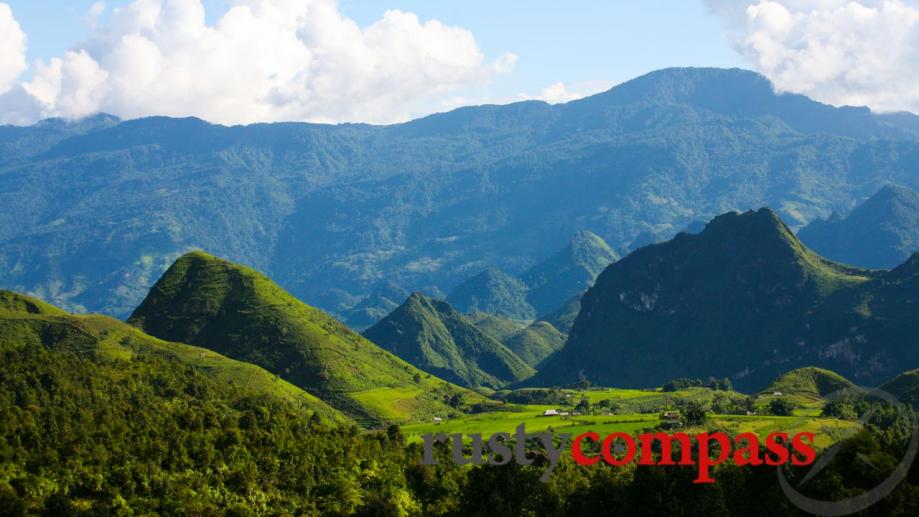
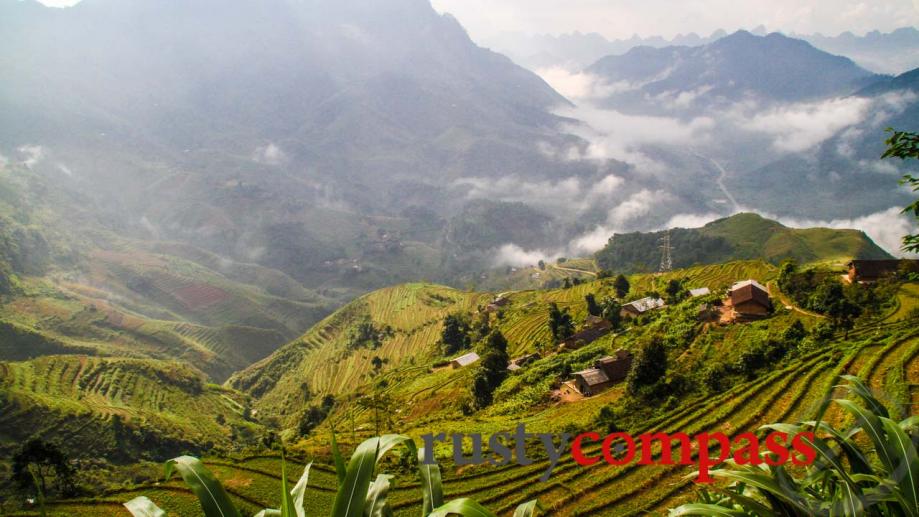
    • Sapa town may have been overrun by tourists and sellers, but you don't have to travel far out of town to be surrounded by views like this.
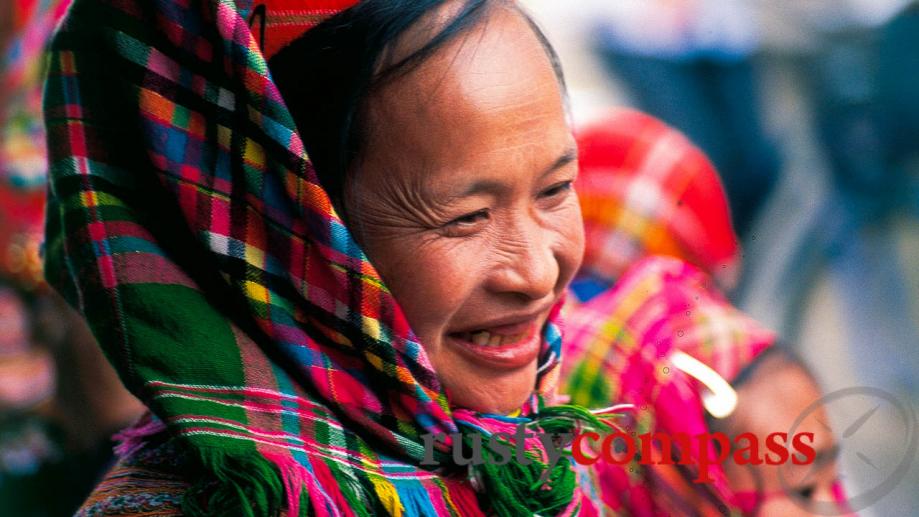
    • Flower Hmong woman, outside Sapa
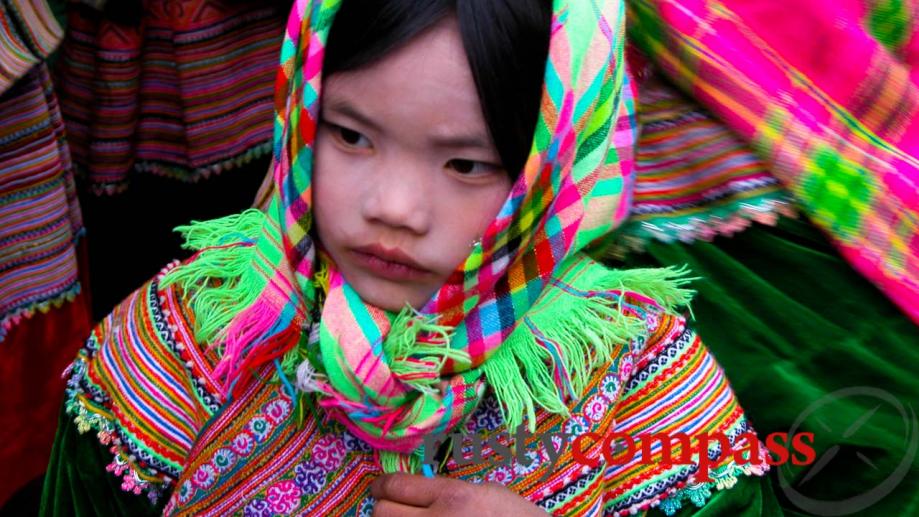
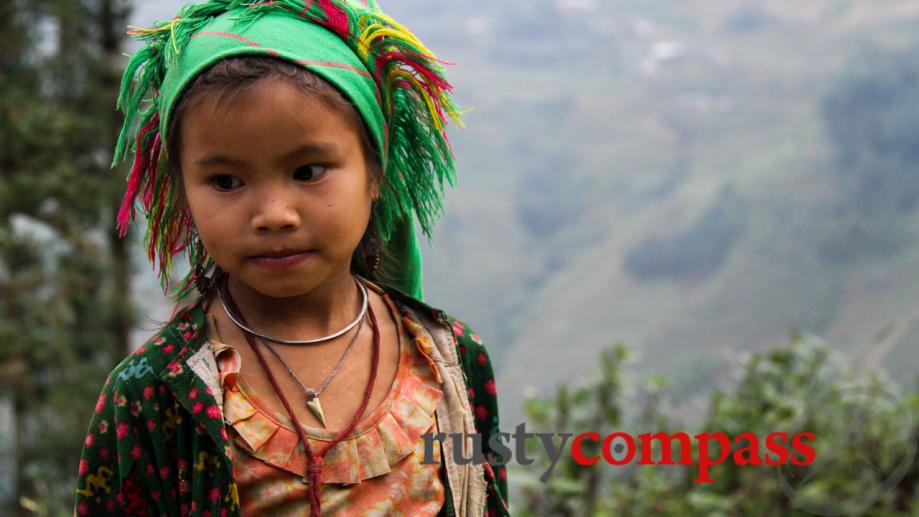
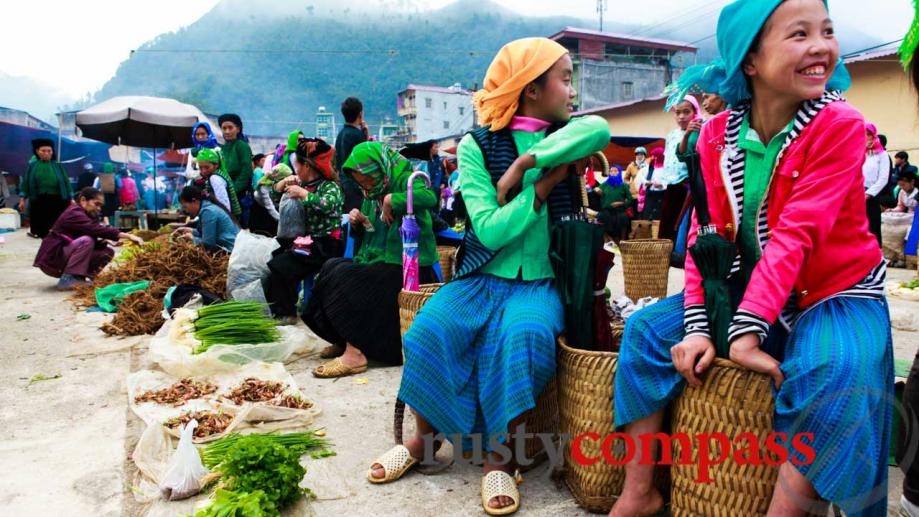
    • Flower Hmong girl, Bac Ha, near Sapa.
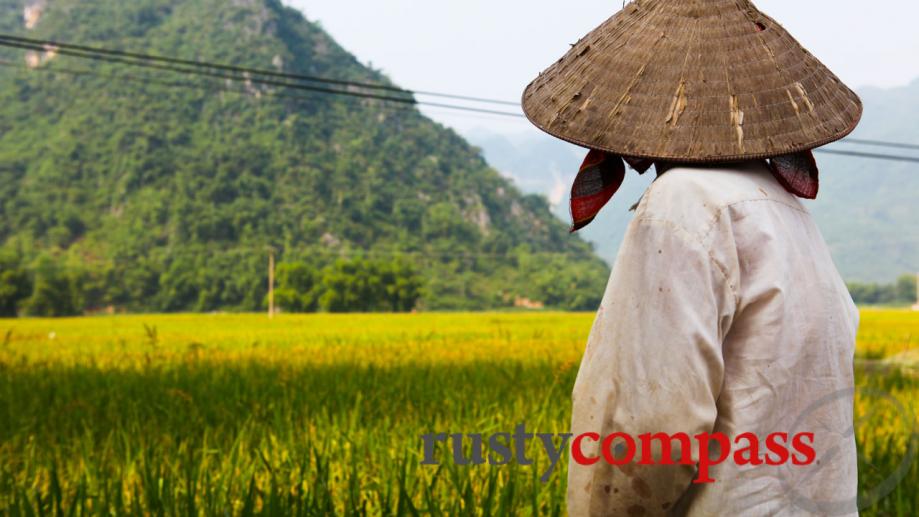
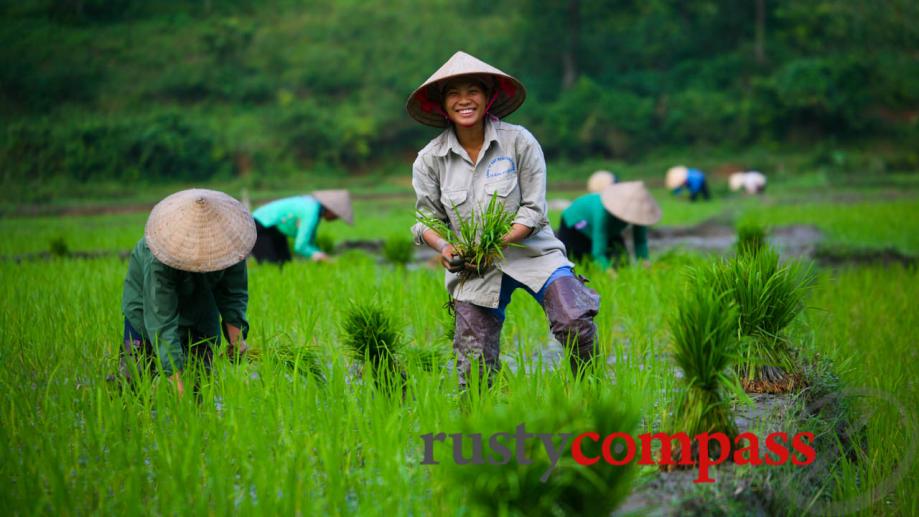
    • The rice harvest outside Sapa
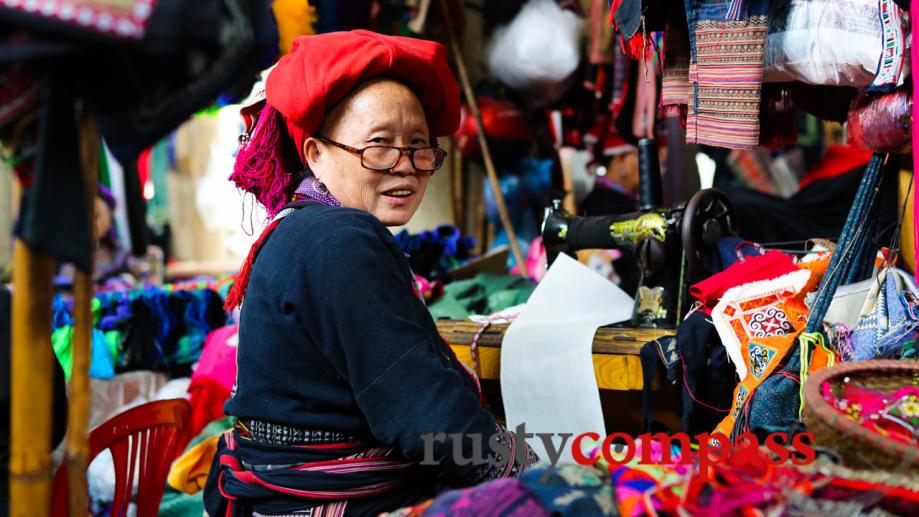
    • A Red Dzao woman with beautiful handmade fabrics in Sapa market.
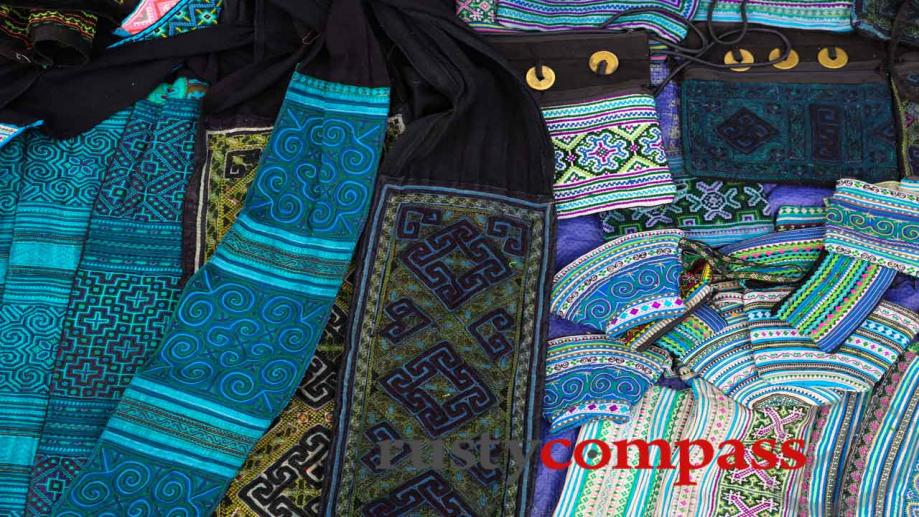
    • The fabric of Sapa (with a few Chinese fakes thrown in).
    • An afternoon walk from Sapa town.
    • The countryside around Sapa is truly breathtaking.
    • Towards Dien Bien Phu from Sapa.
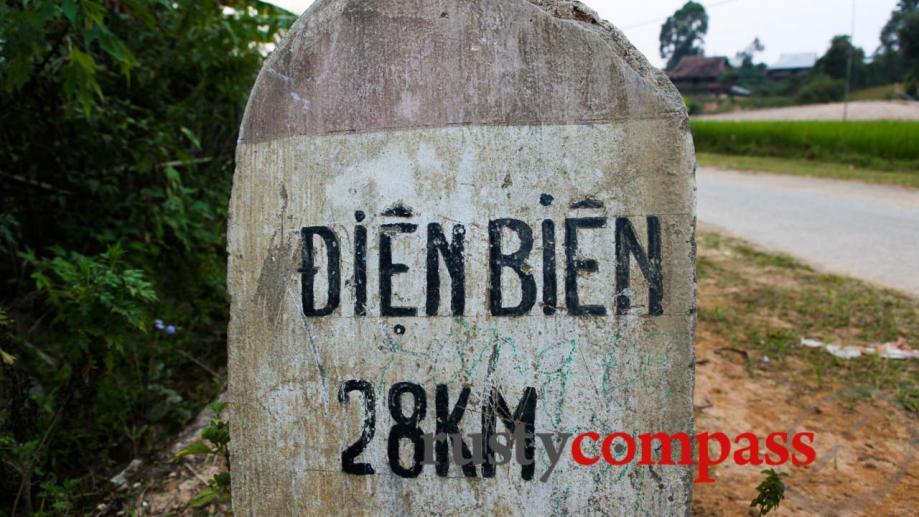
    • On the road to Dien Bien Phu from Sapa.
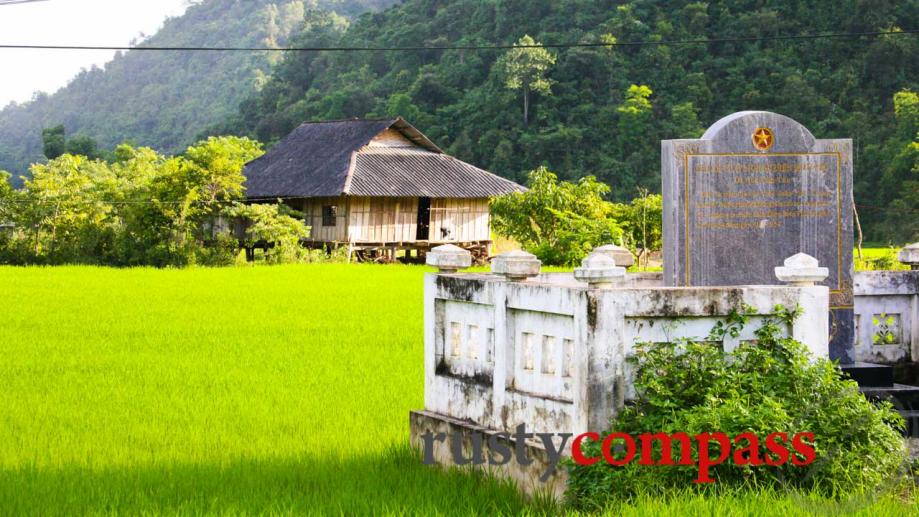
    • The drive from Sapa west to Dien Bien Phu covers some magnificent remote country. Dien Bien Phu, right by the Lao border, was where Ho Chi Minh's forces defeated the French in May 1954, bringing an end to decades of colonial rule. This shot, in a village outside Dien Bien Phu, features a memorial to communist soldiers in a rice paddy. In the background is a Thai minority wooden house.
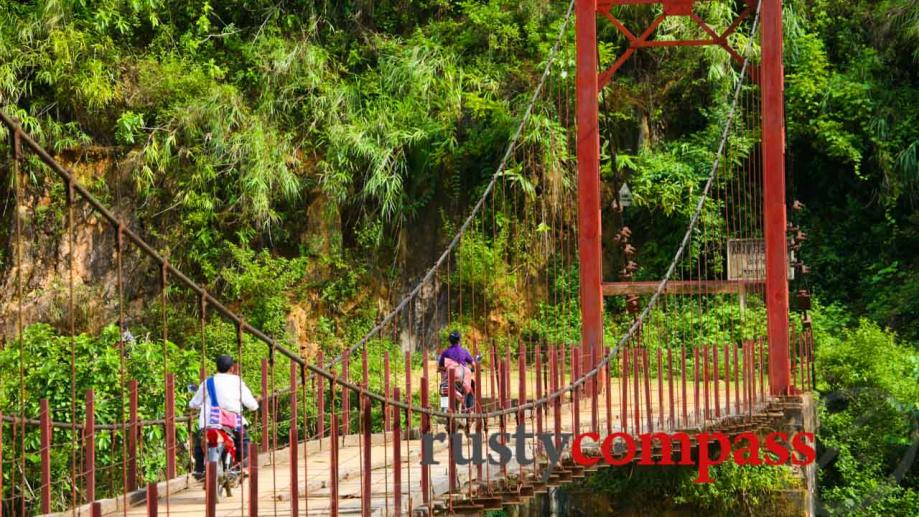
    • On the road to Dien Bien Phu
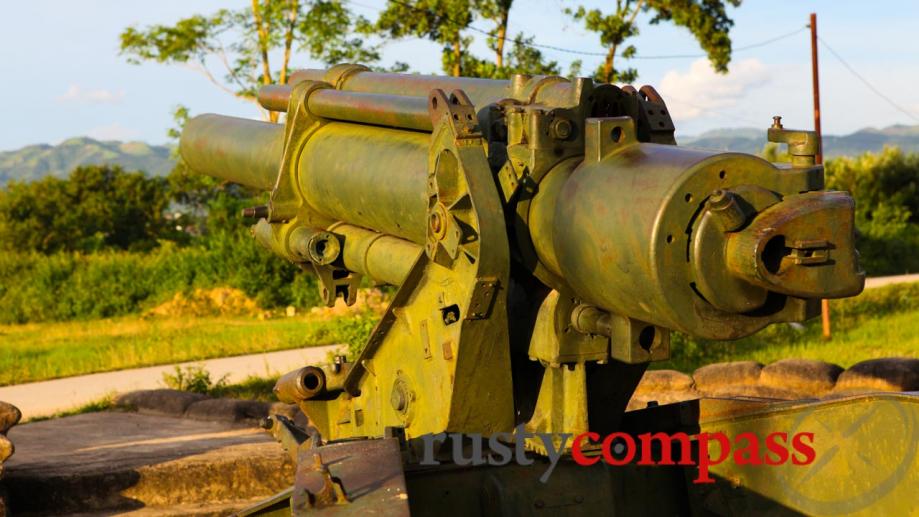
    • Dien Bien Phu remains an incredibly evocative battlefield. The town has developed slowly but there are ample reminders of the historic battle that was fought there,
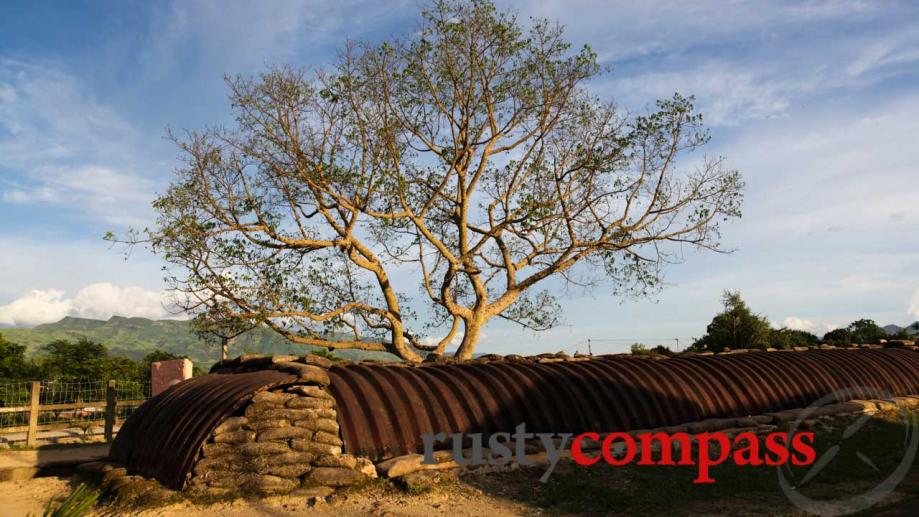
    • The Dien Bien Phu bunker from which the French commander surrendered in May 1954, drawing the curtain on French colonialism in Indochina.
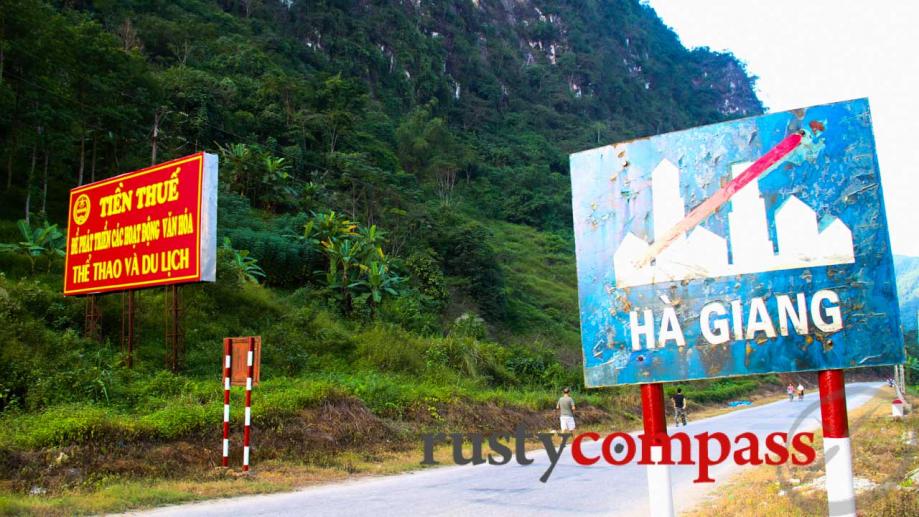
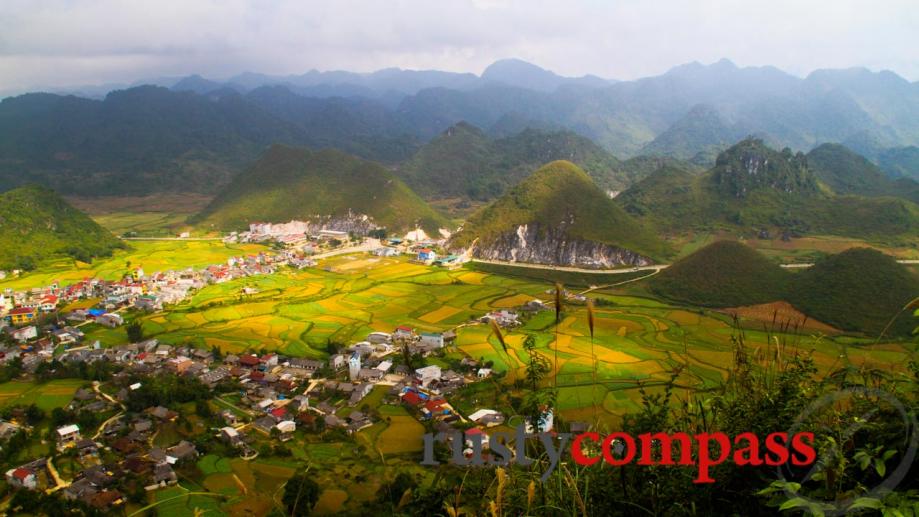
    • Most travellers to Vietnam's remote north head to Sapa. In recent years though, this has begun to change as Ha Giang, which is more remote and more spectacular, lures more travellers.
    • Ha Giang Province.
    • Ha Giang Province.
    • Ha Giang Province.
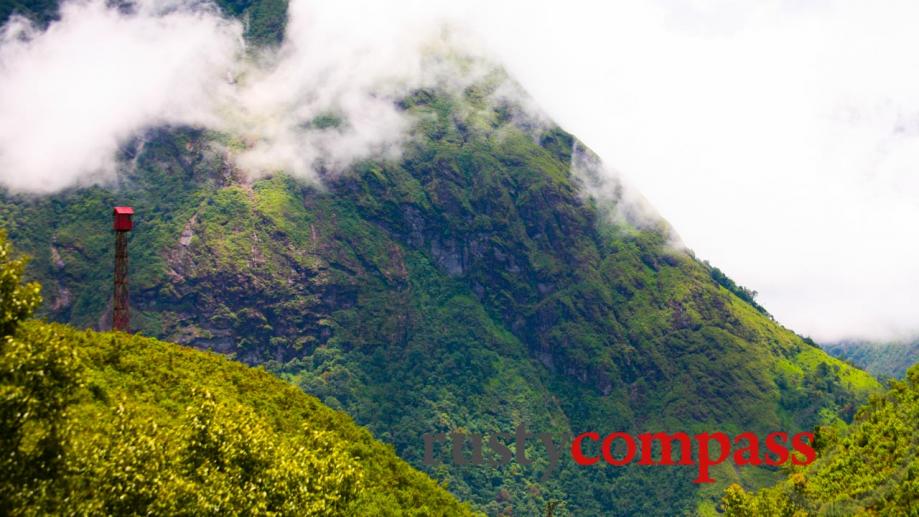
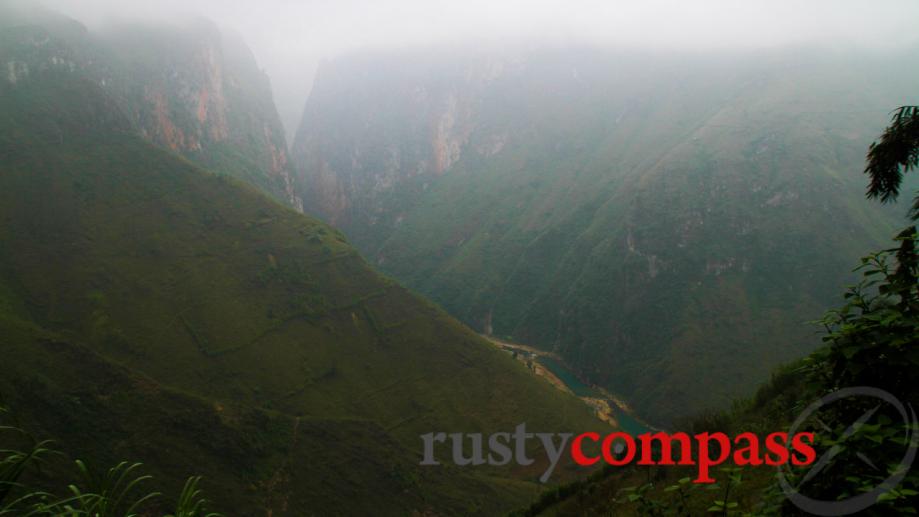
    • The driver between Dong Van and Meo Vac is one of the most awe-inspiring in all of Vietnam. Even under heavy fog, the views are awe-inspiring.
    • Meo Vac, Ha Giang Province.
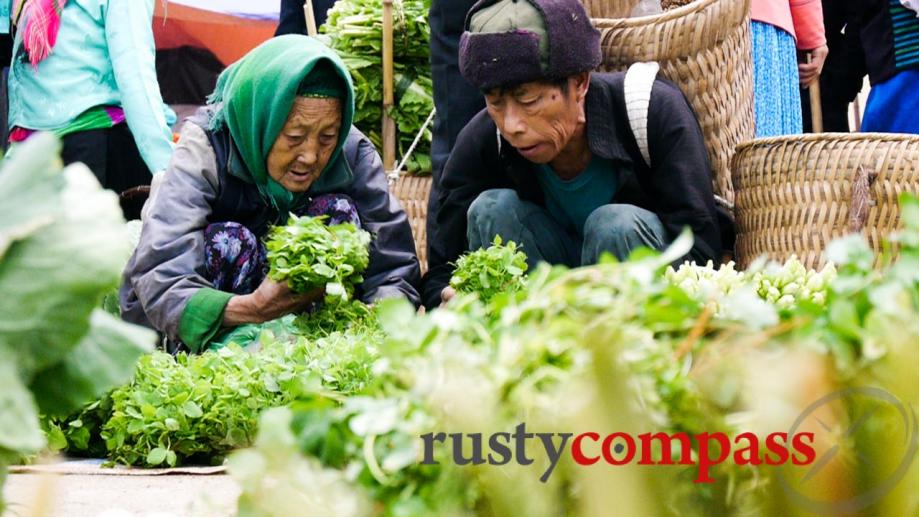
    • Sunday market at Meo Vac.
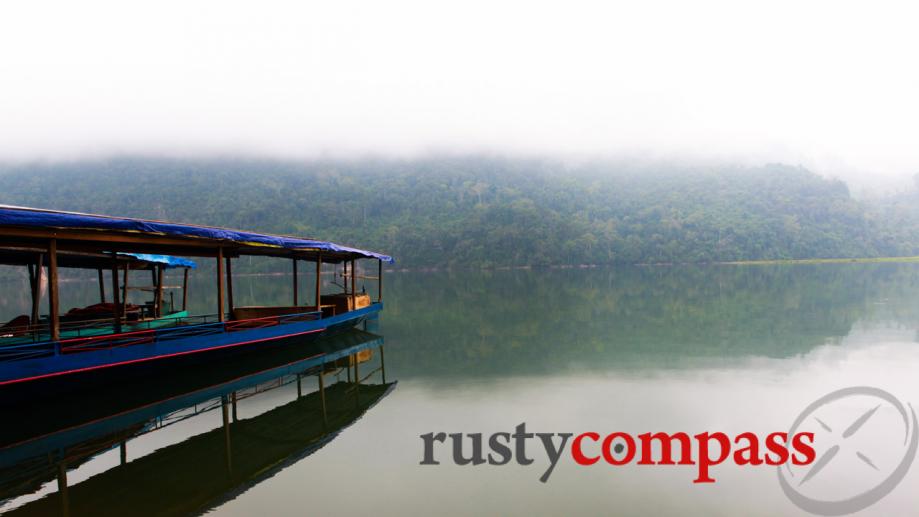
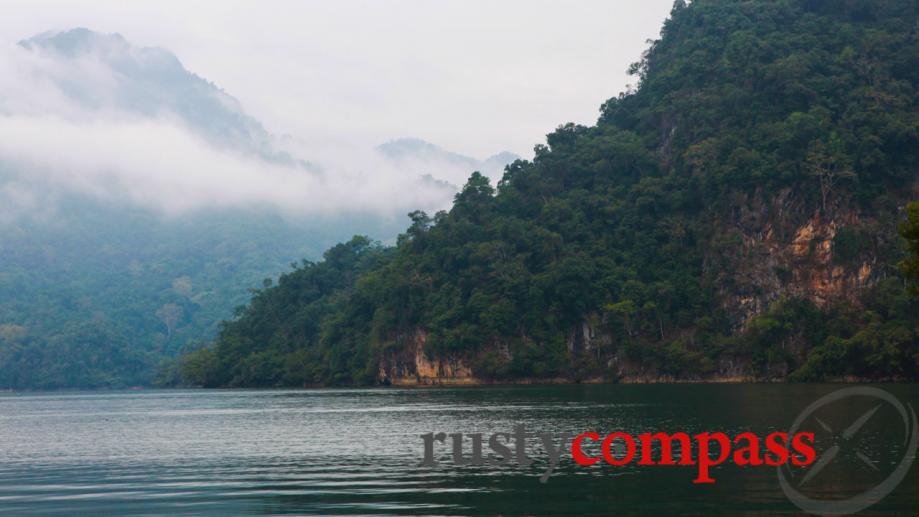
    • Ba Be Lake, in the national parlk of the same name, is an interesting stop on the way back to Hanoi from the north east.
    • Ba Be Lake is the largest natural lake in Vietnam and has some excellent trekking and boat trips. As you'd expect, accommodation is basic. We stayed in a stilt house homestay.
    Quicklink - Introduction - Hanoi

    RELATED galleries

    2016 - the year in travel

    2016 - the year in travel

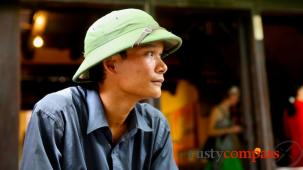
    Faces of Hanoi's streets

    Faces of Hanoi's streets

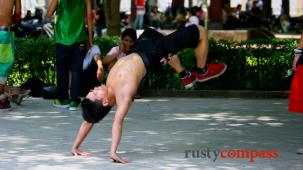
    Breakdancing in Hanoi's Lenin Park

    Breakdancing in Hanoi's Lenin Park

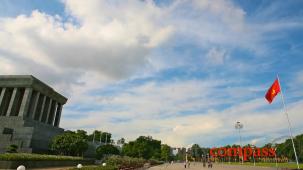
    Ba Dinh Square Hanoi

    Ba Dinh Square Hanoi

    Military History Museum, Hanoi

    Military History Museum, Hanoi

    Hanoi's Old Quarter

    Hanoi's Old Quarter

    LIST ALL GALLERIES BY DATE

    POPULAR galleries

    Hoi An in 72 hours - suggested itinerary

    Hoi An in 72 hours - suggested itinerary

    Cholon - Saigon's Chinatown

    Cholon - Saigon's Chinatown

    Hanoi's architectural heritage - a travel guide in photos

    Hanoi's architectural heritage - a travel guide in photos

    The French colonial architecture of Dalat

    The French colonial architecture of Dalat

    Saigon's disappearing heritage

    Saigon's disappearing heritage

    Selecting an overnight cruise on Halong Bay

    Selecting an overnight cruise on Halong Bay

    LIST ALL GALLERIES BY POPULARITY
    • Travel guides
    • Cambodia
    • Vietnam
    • Laos
    • Australia
    • Home
    • Video
    • Gallery
    • Blog
    • About
    • Support Us
    • CONTACT US
    • Privacy
    • NEW FEED
    • ©COPYRIGHT SIX DEGREES ASIA 2026
    FOLLOW US
    • facebook
    • twiter
    • tv
    • rss
    LOGIN

    Comment on stories and reviews.

    Receive updates from Rusty Compass

    • Forgot your password?
      Create an account

    Rusty Compass listings are always independent. We list the places we think are worth knowing about. Our Featured Listings allow a small selection of businesses already recommended by us, to pay a fee for a place at the top of our list. That’s it. Featured Listings have no impact on reviews, or on the curation and independence of our lists.

    x