Rusty Compass - www.rustycompass.com

Account

Contacts

Register

Login

My Trip Plan
  • Home
  • Video
  • Gallery
  • Blog
  • About
  • Support Us
Contact
|
FOLLOW US
  • facebook
  • twiter
  • tv
  • rss
  • Travel guides
  • Cambodia
  • Vietnam
  • Laos
  • Australia


Travel guides
    • Home
    • Gallery
    • Hanoi's architectural heritage - a travel guide in photos
    Gallery

    Hanoi's architectural heritage - a travel guide in photos

    By Mark Bowyer / Last updated 20 Aug 2014
    • The former Australian Embassy in Hanoi - now the Ambassador's...
    • Former Australian Embassy, Ly Thuong Kiet St, Hanoi
    • Hanoi's French colonial heritage marks it out as one of...
    • Hanoi's Opera House is one of the most famous of...
    • One of the most influential architects in Hanoi and Indochina...
    • Hanoi's Ba Dinh Square was annointed by the French as...
    • Hanoi's Pasteur Institute, also by Hebrard.
    • Hanoi University (1926), is another Hebrard building.
    • Cua Bac Church saw Hebrard abandon the Gothic style in...
    • The city's architectural magic isn't confined to its large buildings....
    • Hanoi's Old Quarter. Take a look above the awnings if...
    • Typical Old Quarter corner.
    • Intricate decorative work - Old Quarter, Hanoi
    • The original buildings of Hanoi's Old Quarter are increasingly being...
    • While tourist hotel development is causing the demolition of many...
    • Madam Hien restaurant has turned an especially impressive villa into...
    • Madam Hien restaurant, Hanoi
    • Luc Thuy Restaurant and Cafe is right by Hoan Kiem...
    • Not far from the bustle of the Old Quarter is...
    • Ho Chi Minh requested to be cremated on his death....
    • Vienam's wartime White House - Uncle Ho's simple house on...
    • Ho Chi Minh's workspace. The building was inspired in part...
    • And next door to Ho's wooden house and mausoleum is...
    • Presidential Palace, Hanoi built in 1907 as the French Governor's...
    • Headquarters of the Communist Party of Vietnam, overlooking Ba Dinh...
    • Another major landmark close by Ba Dinh Square is Hanoi...
    • Hanoi Citadel is the city's newest World Heriatge site and...
    • What this structure lacks in architectural value, it more than...
    • Between the citadel and the Ho Chi Minh Mausoleum overlooking...
    • One Pillar Pagoda is one of Vietnam's most famous pagodas...
    • The Metropole Hotel is another of the city's most celebrated...
    • The Metropole Hotel, one of the landmark buildings of an...
    • The Catholic church has been a big player, both good...
    • St Joseph's Cathedral, Hanoi
    • The interior of St Joseph's Cathedral, Hanoi
    • The church grounds around St Joseph's Cathedral.
    • The former Archbishop's Residence right by St Joseph's Cathedral. This...
    • The streets around St Joseph's Cathedral are home to some...
    • Boutiques around St Joseph's Cathedral.
    • Ba Da Pagoda, Hanoi
    • Ba Da Pagoda, right by St Joseph's Cathedral is one...
    • Long Bien Bridge is another Hanoi icon. It was built...
    • Long BIen Bridge, Hanoi. It was known as Paul Doumer...
    • Typical colonial era tube houses in Hanoi's Old Quarter.
    • Hanoi's Hoa Lo prison gained notoriety in the West during...
    • Hanoi Hilton was logically located right by the main courthouse....
    • This Soviet style building, the offices of Hanoi People's Committee,...
    • Directly opposite the People's Committee building is this gate at...
    • Tet flowers at Ngoc Son Temple on Hoan Kiem Lake.
    • Ngoc Son Temple looks over Hoan Kiem Lake in central...
    • This government building by Hoan Kiem lake exhibits the shift...
    • The imposing Bank of Indochina building (1930)  in the...
    • Tree lined Phan Dinh Phung St, is one of the...
    • Phan Dinh Phung is home to some of Hanoi's most...
    • Unlike the Old Quarter. walking along Phan Dinh Phung St...
    • Distinctive building, Phan Dinh Phung St, Hanoi
    • Hanoi was once home to a large ethnic Chinese community....
    • Hanoi's major architectural landmarks mostly survived US bombing without incurring...
    • Confederation of Labour building in the French Quarter is looking...
    • Art Deco made a big impact on Hanoi. This former...
    • Cuban designed Thang Loi Hotel is for those that like...
    • The Temple of Literature dates back to 1070 and is...
    • Hanoi's West Lake area , a few hundred metres from...
    • Dating back to the 6th century AD, Tran Quoc Pagoda,...
    • This is one of the first major Hanoi buildings to...
    • Probably the most flamboyant piece of modern architecure in Hanoi....

    Introduction

    One of the most striking things about Vietnam’s capital Hanoi is its architecture. In places, the city’s an architectural shambles where past and present in the form of French, Chinese, Soviet and local styles collide. While other parts of the city are still remarkably faithful to the vision of French colonial planners. As the former capital of French Indochina, a rich variety of colonial style buildings decorate the city - from the grand to the modest, from the newly renovated to those near collapse. The French built their empire on the blood, sweat and tears of the local population. Six decades after the departure of the French, those buildings have been welded into the distinctly Vietnamese character of the city and make a huge contribution to its atmosphere and charm. This gallery is a survey of some personal highlights. William Logan's "Hanoi: Biography of a city" (2000) is an excellent account of the city's architectural evolution.

    • ©Photo: Mark Bowyer
    • ©Photo: Mark Bowyer
    • ©Photo: Mark Bowyer
    • ©Photo: Mark Bowyer
    • ©Photo: Mark Bowyer
    • ©Photo: Mark Bowyer
    • ©Photo: Mark Bowyer
    • ©Photo: Mark Bowyer
    • ©Photo: Mark Bowyer
    • ©Photo: Mark Bowyer
    • ©Photo: Mark Bowyer
    • ©Photo: Mark Bowyer
    • ©Photo: Mark Bowyer
    • ©Photo: Mark Bowyer
    • ©Photo: Mark Bowyer
    • ©Photo: Mark Bowyer
    • ©Photo: Mark Bowyer
    • ©Photo: Mark Bowyer
    • ©Photo: Mark Bowyer
    • ©Photo: Mark Bowyer
    • ©Photo: Mark Bowyer
    • ©Photo: Mark Bowyer
    • ©Photo: Mark Bowyer
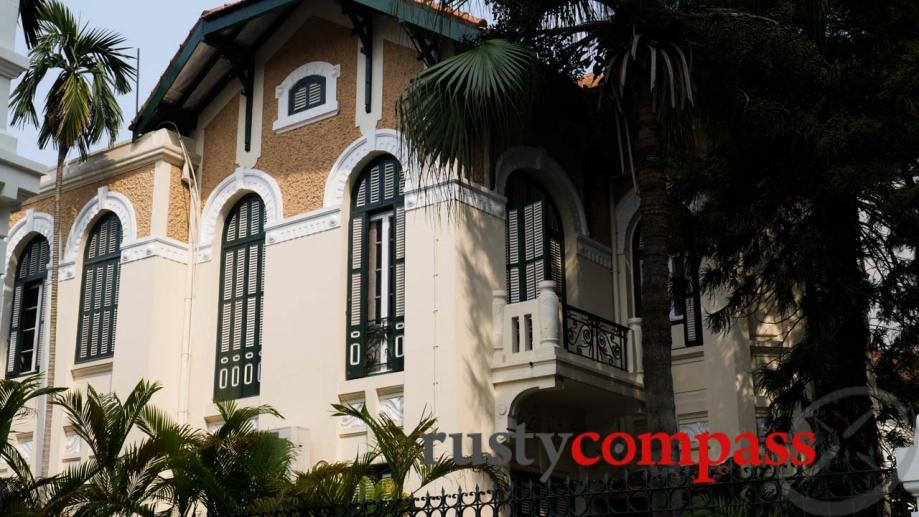
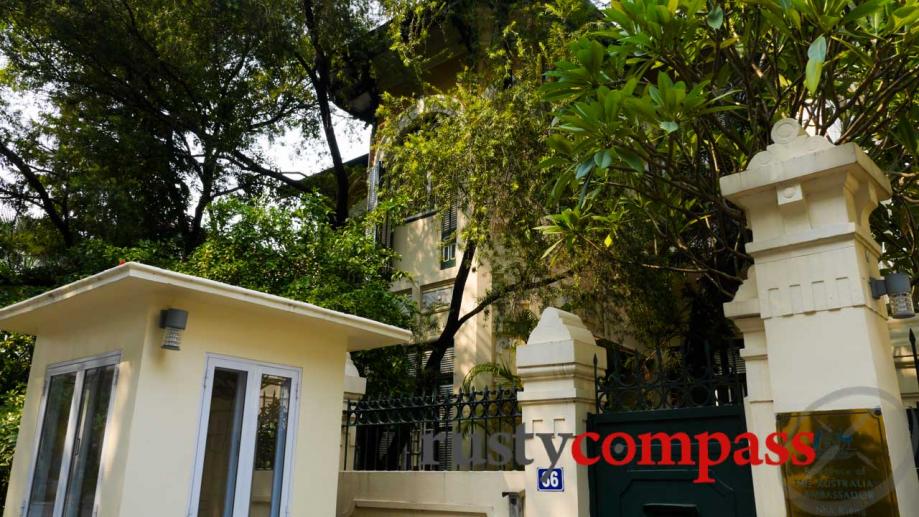
    • The former Australian Embassy in Hanoi - now the Ambassador's Residence. This was the first French colonial era building to leave an impression on me on my first visit to Hanoi in June 1990.
    • Former Australian Embassy, Ly Thuong Kiet St, Hanoi
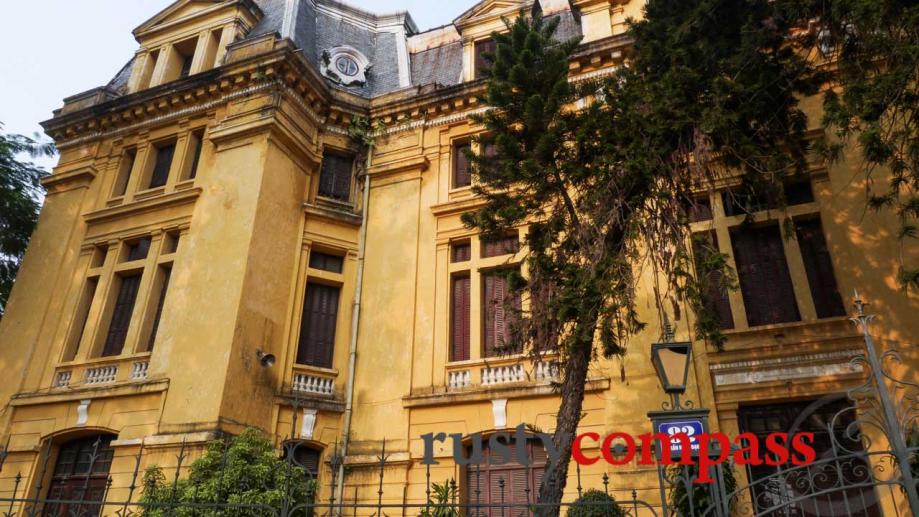
    • Hanoi's French colonial heritage marks it out as one of the most architecturally interesting cities in South East Asia. As the former political centre of French Indochina, it is home to the most impressive range of colonial buildings from grand government edifices to quaint villas. This is the former residence of the Resident Superior of Tonkin. Built in 1918, Ho Chi Minh used it as his office after his declaration of independence from France in 1945, until war with France forced him out in 1946. It is now part of the Government Guest House complex and is located in central Hanoi across the road from the Metropole Hotel. I stayed in the unsightly Russian building behind this one on my first visit to Hanoi.
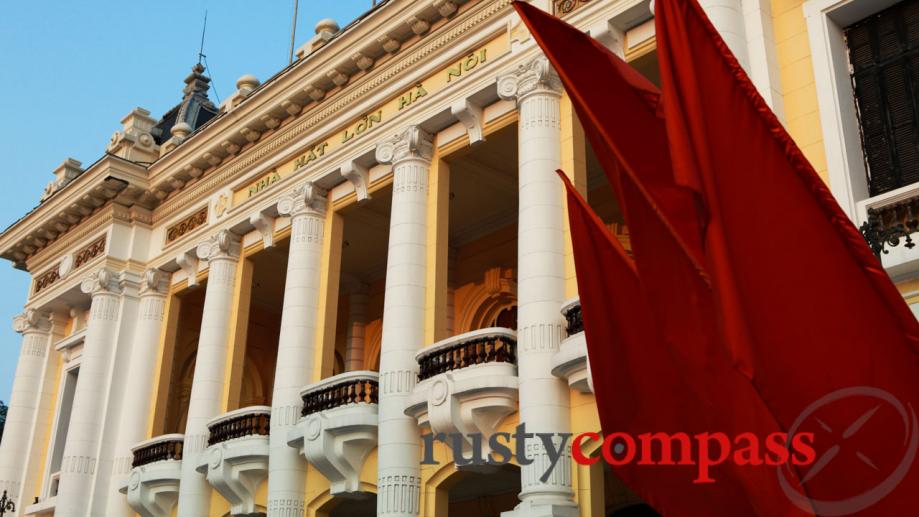
    • Hanoi's Opera House is one of the most famous of the city's colonial era buildings. In the 60 years since the French were unceremoniously sent packing, these buildings have become part of a Vietnamese city fabric. The Opera House was built at the beginning of the twentieth century when harsh taxation, forced labour as well as opium and alcohol monopolies funded a major investment in public buildings and infrastructure. It's modelled on Garnier's opera house in Paris. Try and catch a show while you're in Hanoi. At minimum, grab a late afternoon drink in the garden bar outside.
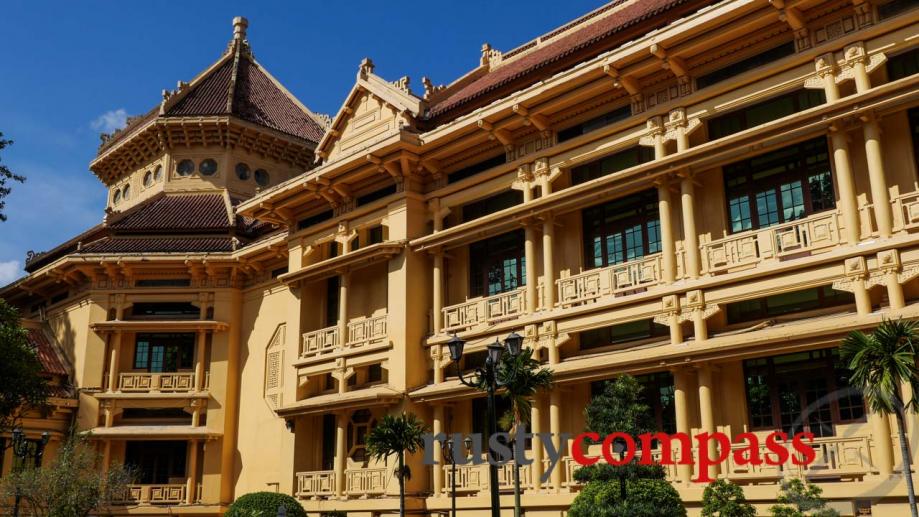
    • One of the most influential architects in Hanoi and Indochina was Ernest Hebrard. Hebrard arrived in Hanoi in the early 1920s. Instead of reproducing buildings purely European in style, he added local design features and also took the colony's weather conditions into account. He pioneered what is known as the "Indochine" architectural style and was behind many of Hanoi's most striking buildings as well as buildings throughout the colony. This was the Louis Finot Museum and is now the Vietnamese History Museum - arguably the city's most important museum.
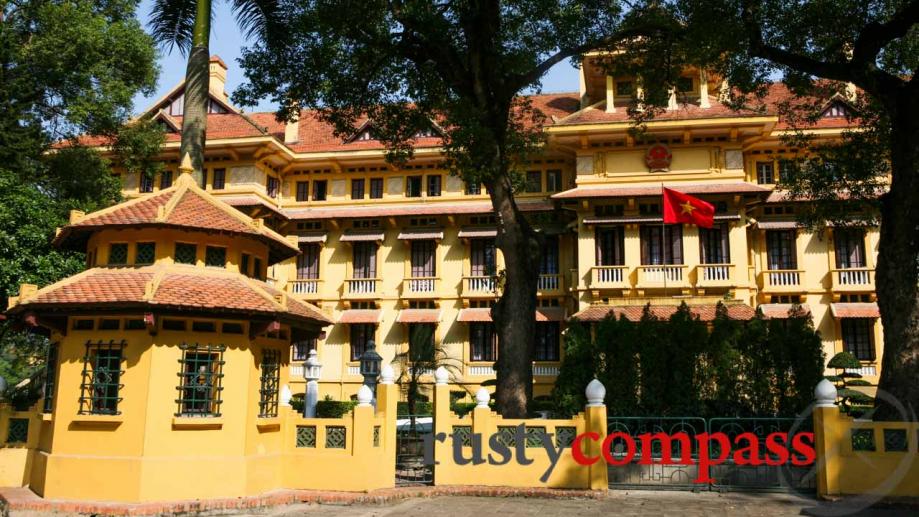
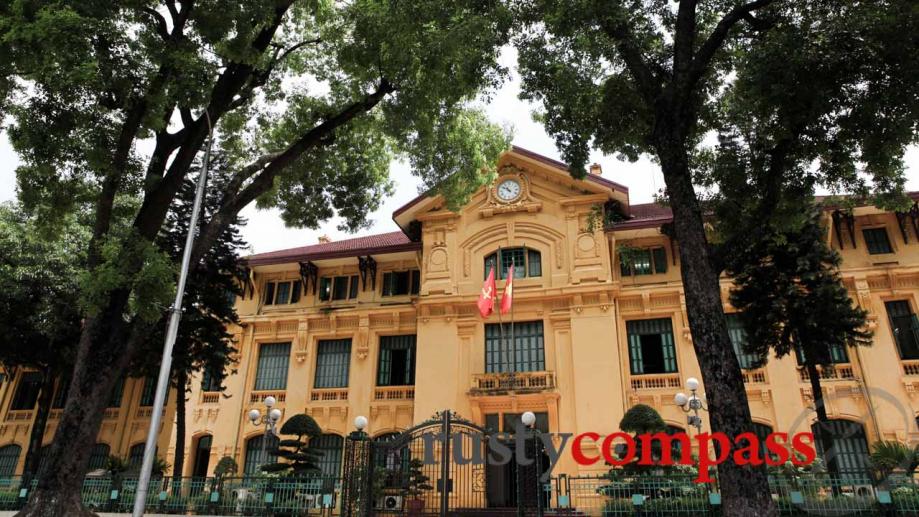
    • Hanoi's Ba Dinh Square was annointed by the French as the centre of colonial government in Indochina. This buiding was the colonial Ministry of Finance and was also an Ernest Hebrard creation. It carries his trademark elements - mixing Eurpopean and local styles. The building is now the Ministry of Foreign Affairs.
    • Hanoi's Pasteur Institute, also by Hebrard.
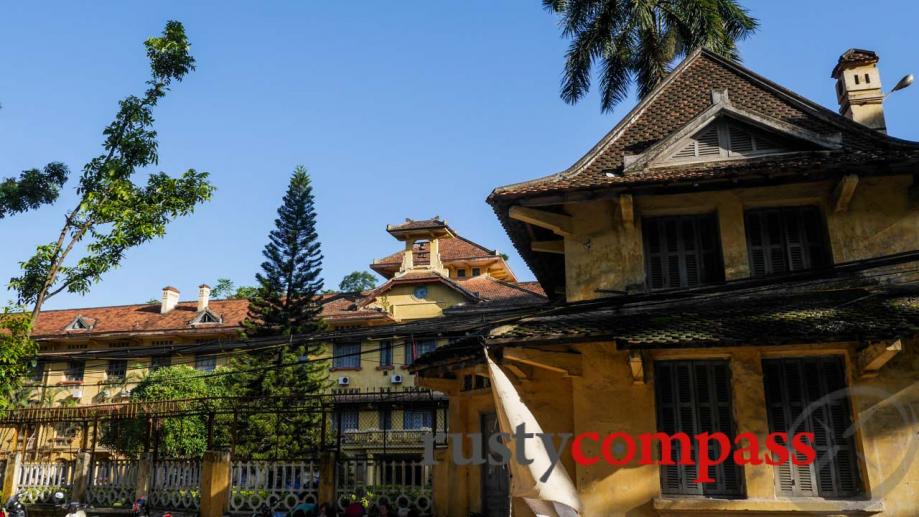
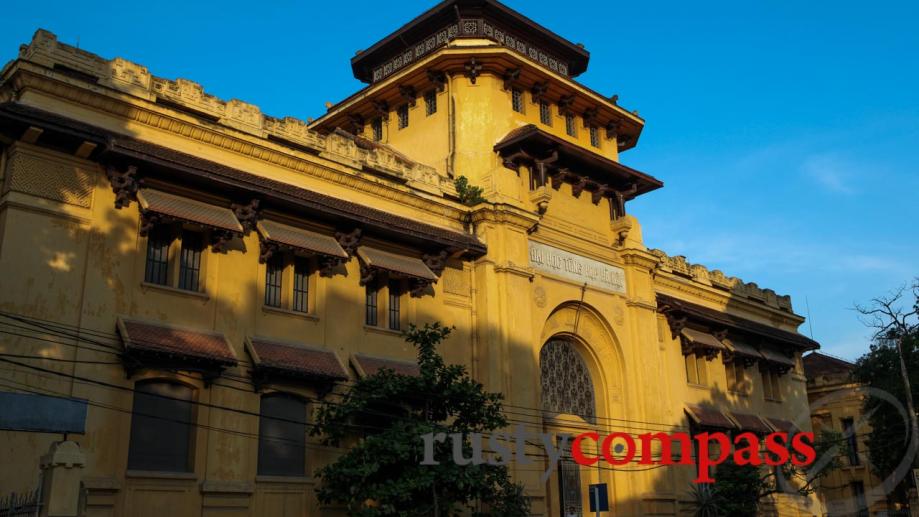
    • Hanoi University (1926), is another Hebrard building.
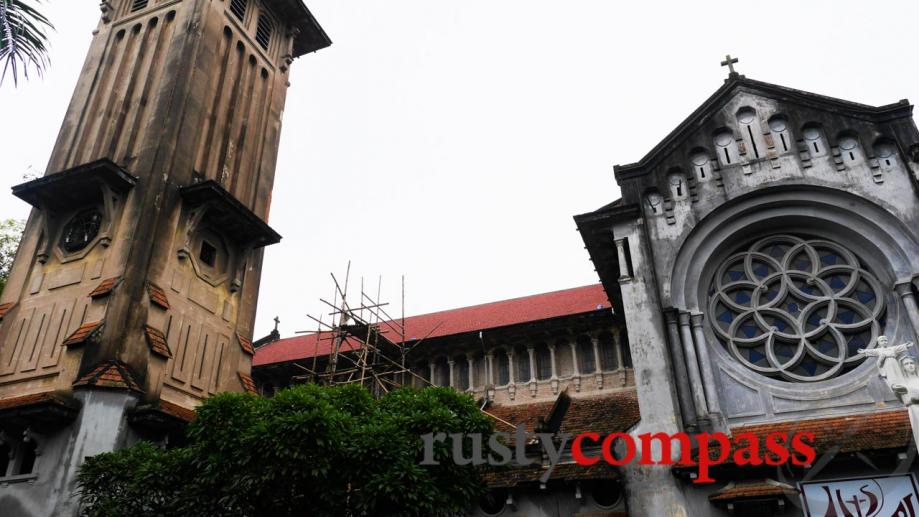
    • Cua Bac Church saw Hebrard abandon the Gothic style in favour of something more contemporary according to William Logan in his book "Hanoi: Biography of a city".
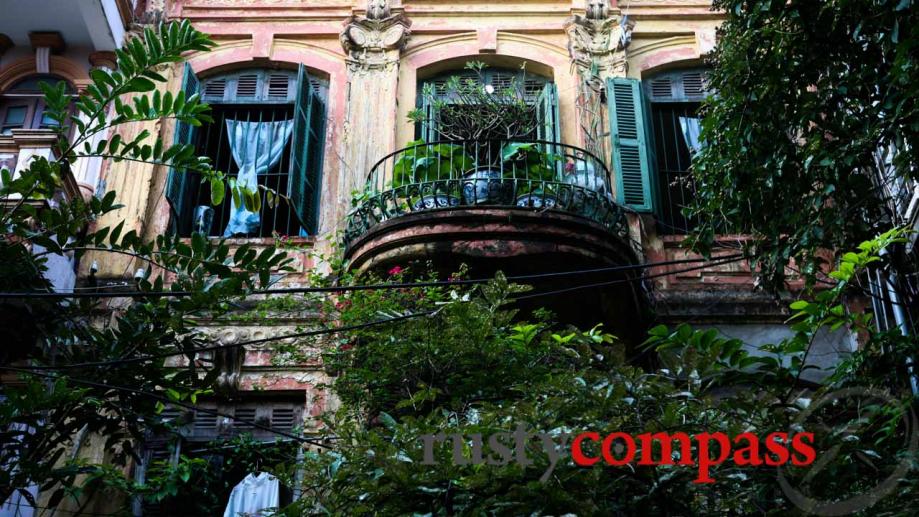
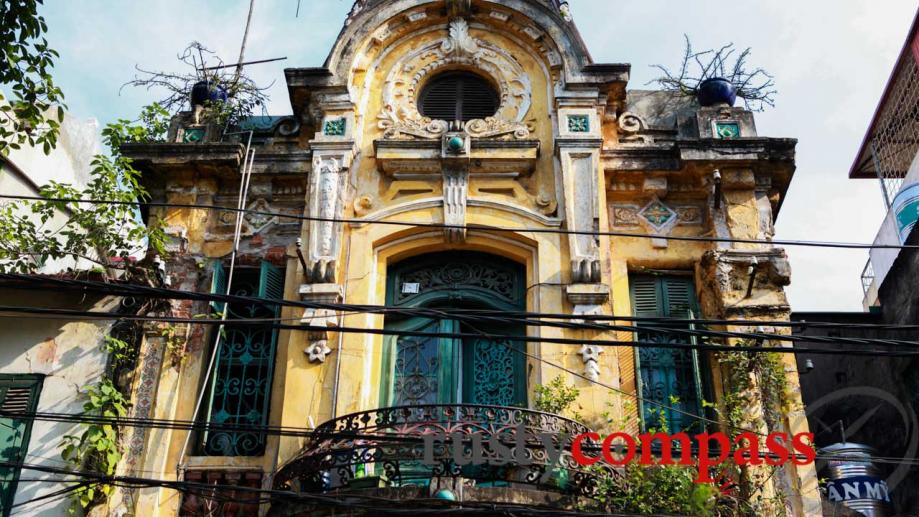
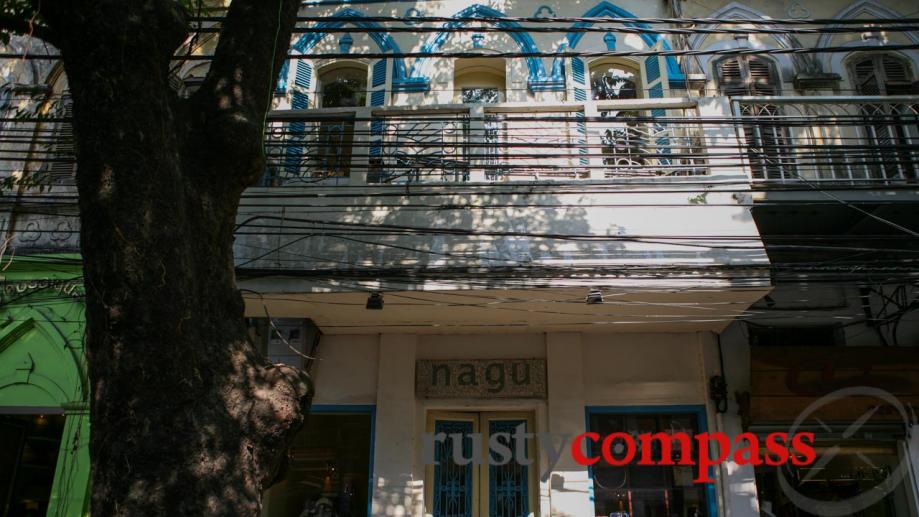
    • The city's architectural magic isn't confined to its large buildings. There are hundreds of wonderful structures from villas to these tube houses. This one is in the famed Old Quarter of 36 streets.
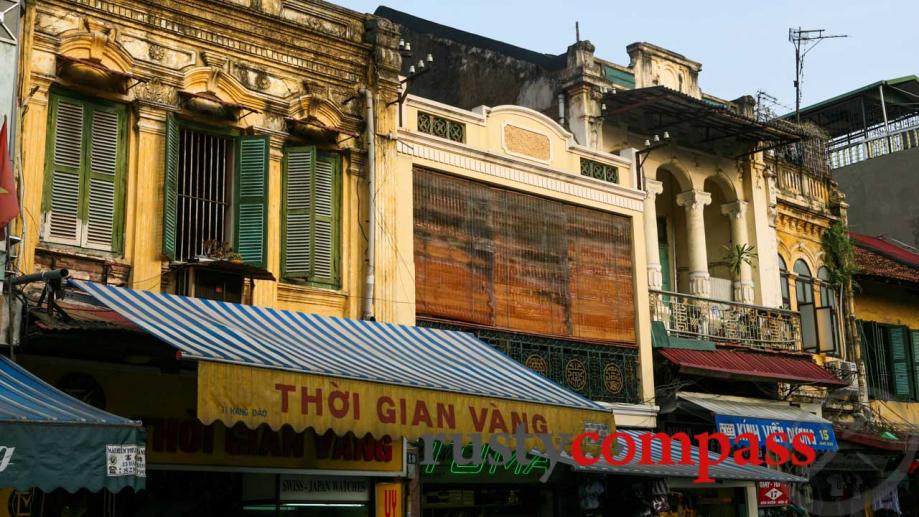
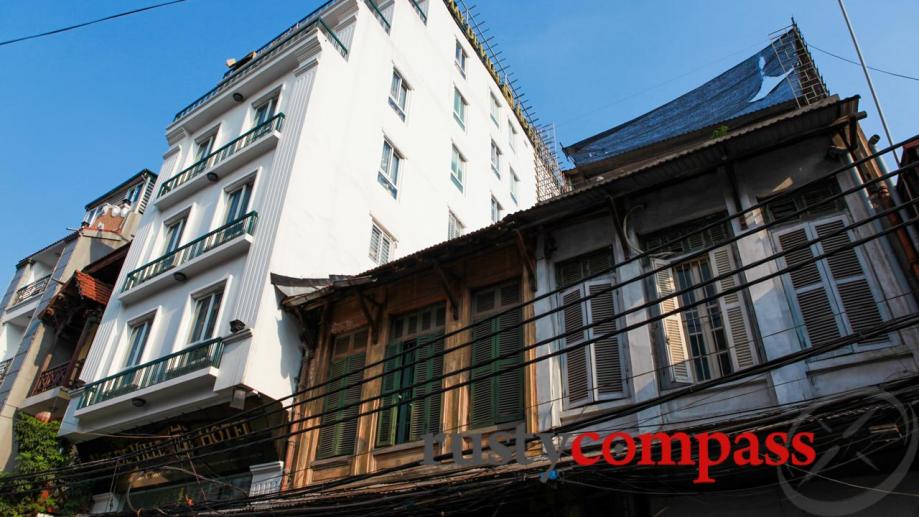
    • Hanoi's Old Quarter. Take a look above the awnings if you can - without getting collected by a passing motorbike.
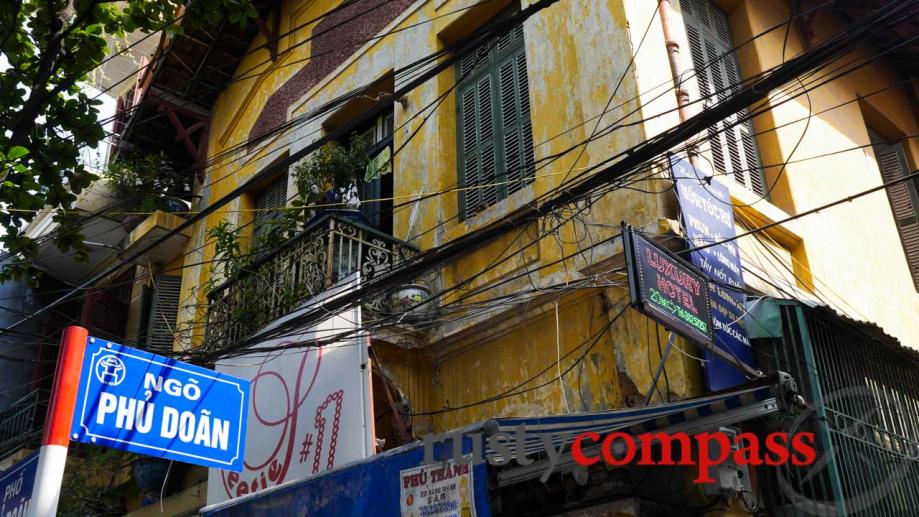
    • Typical Old Quarter corner.
    • Intricate decorative work - Old Quarter, Hanoi
    • The original buildings of Hanoi's Old Quarter are increasingly being demolished to make way for tourist hotels. The tourists stay in the Old Quarter to experience, among other things, its historic architecture - in hotels that destroy the architectural fabric.
    • While tourist hotel development is causing the demolition of many historic Hanoi buildings, tourist restaurants are in many cases giving colonial architecture a new lease of life. This is Green Tangerine Restaurant.
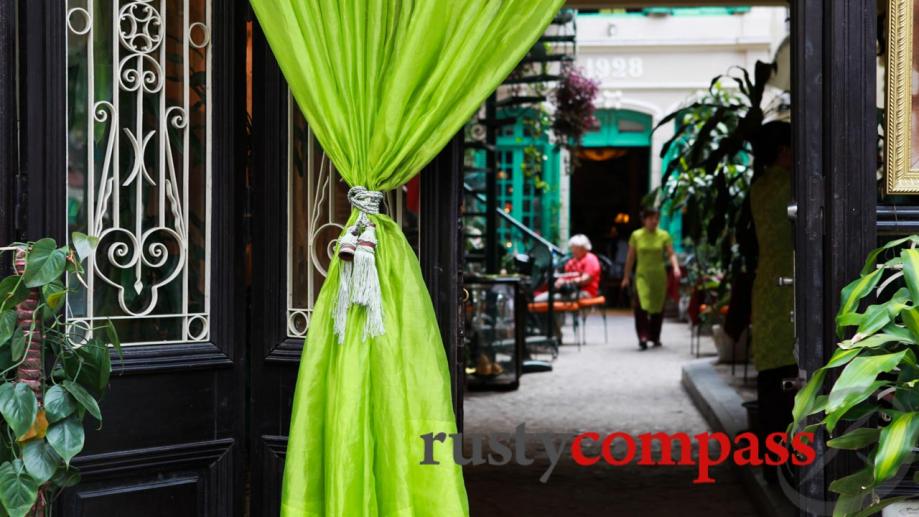
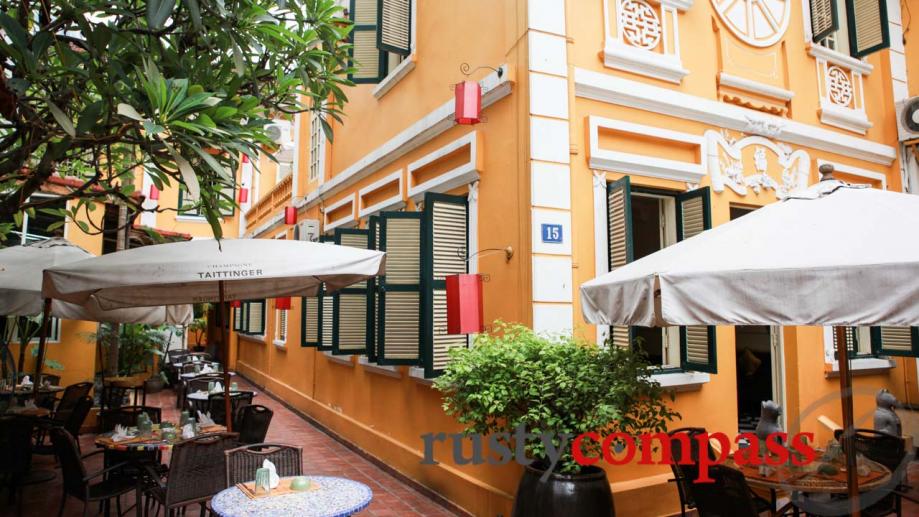
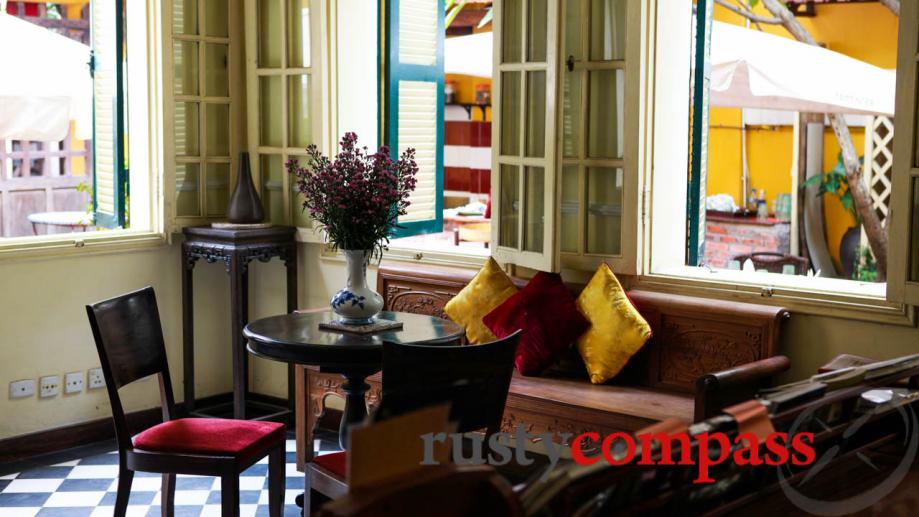
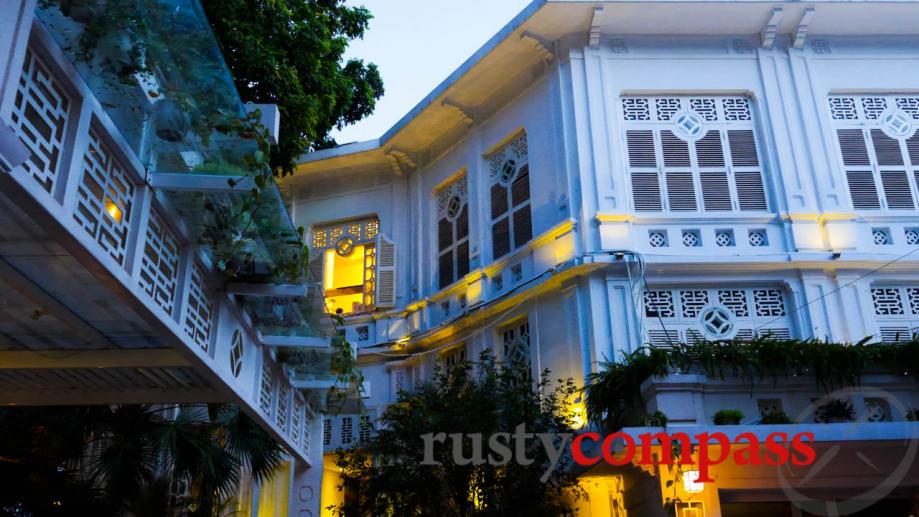
    • Madam Hien restaurant has turned an especially impressive villa into a popuiar tourist restaurant.
    • Madam Hien restaurant, Hanoi
    • Luc Thuy Restaurant and Cafe is right by Hoan Kiem Lake.
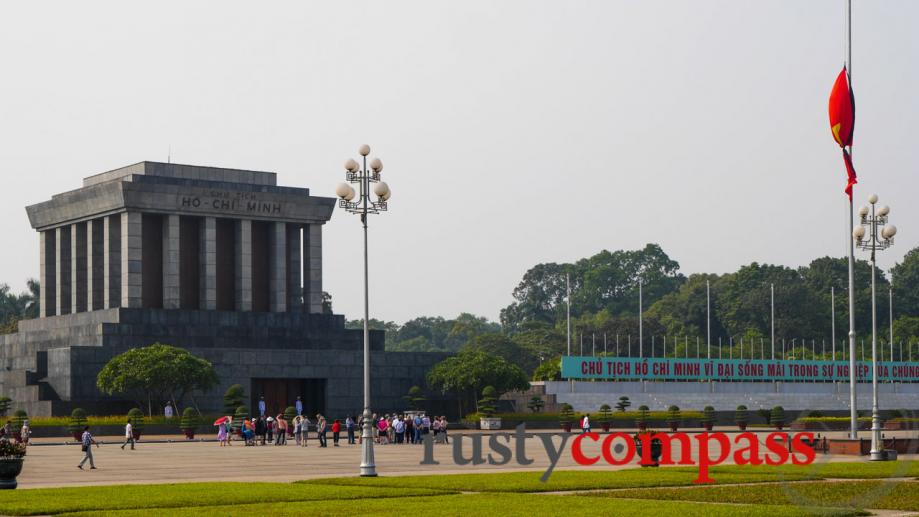
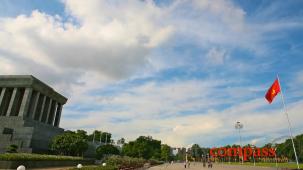
    • Not far from the bustle of the Old Quarter is the vast expanse of Ba Dinh Sqaure. Ho Chi Minh chose the square, the centre of colonial power, for his declaration of independence from French rule on September 2 1945. The declaration was made in the space immediately in front of the mausoleum.
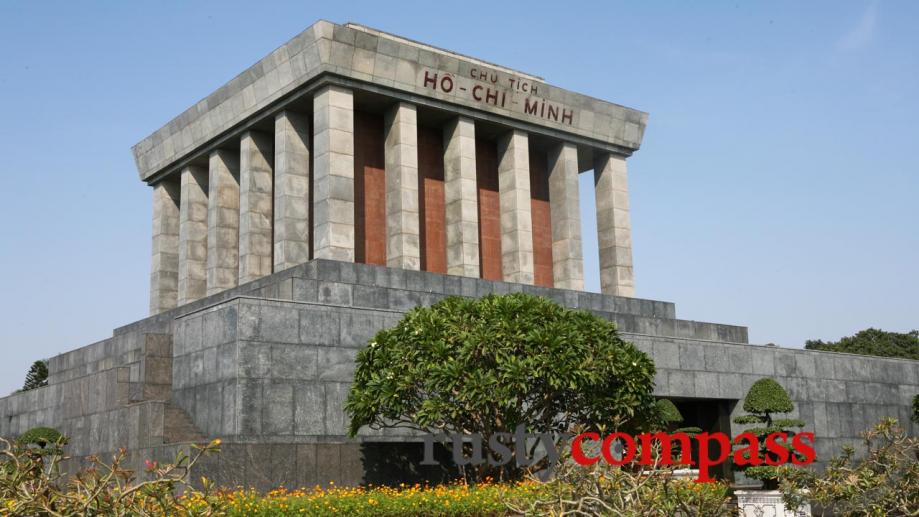
    • Ho Chi Minh requested to be cremated on his death. Instead, when he passed away in 1969, he was embalmed and placed in this Soviet style edifice. Public viewings continue today. Like many buildings in Vietnam, the mausoleum implausibly proposes to have been inspired by the lotus flower.
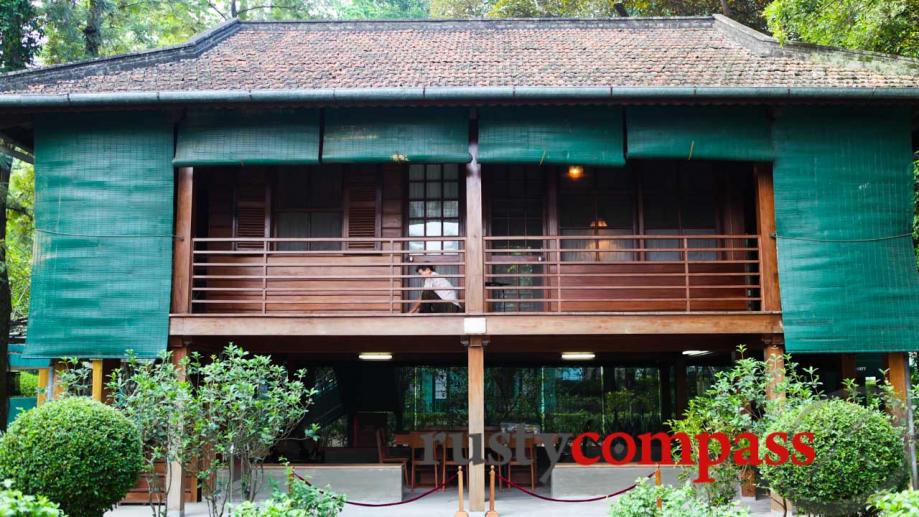
    • Vienam's wartime White House - Uncle Ho's simple house on stilts is located right behind his mauoleum. It's a delightful place and seems a better fit for popular representations of Ho than the stony, cold structure in which he now lies.
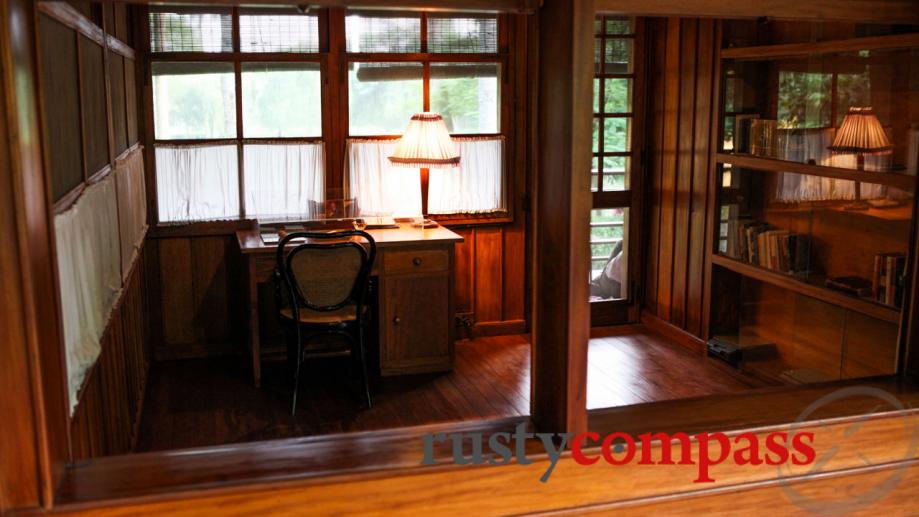
    • Ho Chi Minh's workspace. The building was inspired in part by the montagnard houses of Vietnam's far north. Ho Chi Minh lived here from 1958.
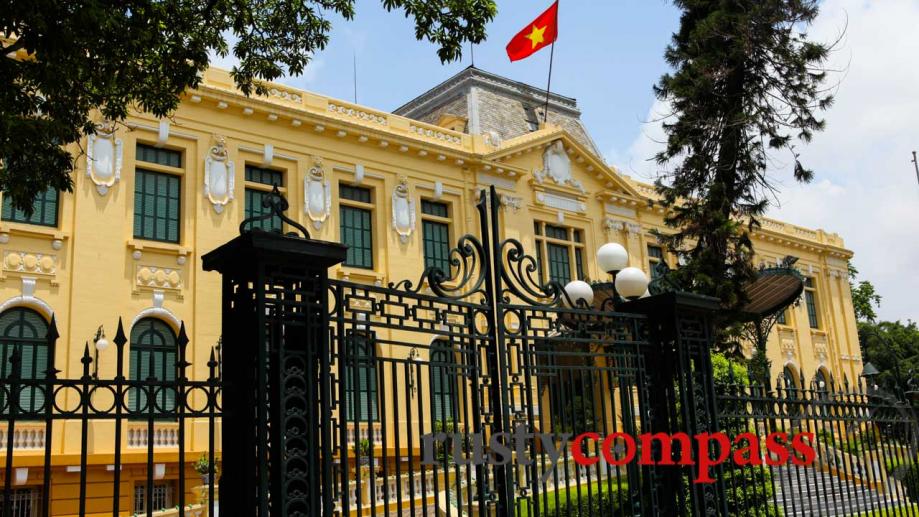
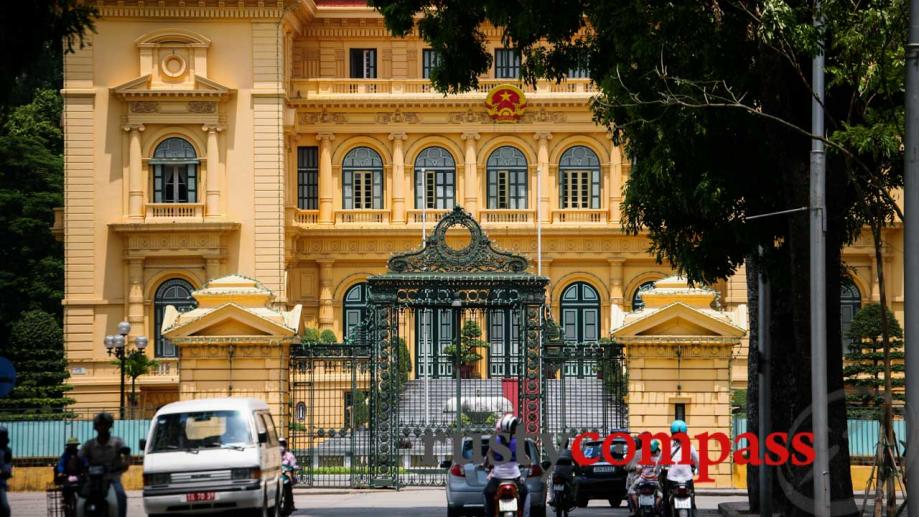
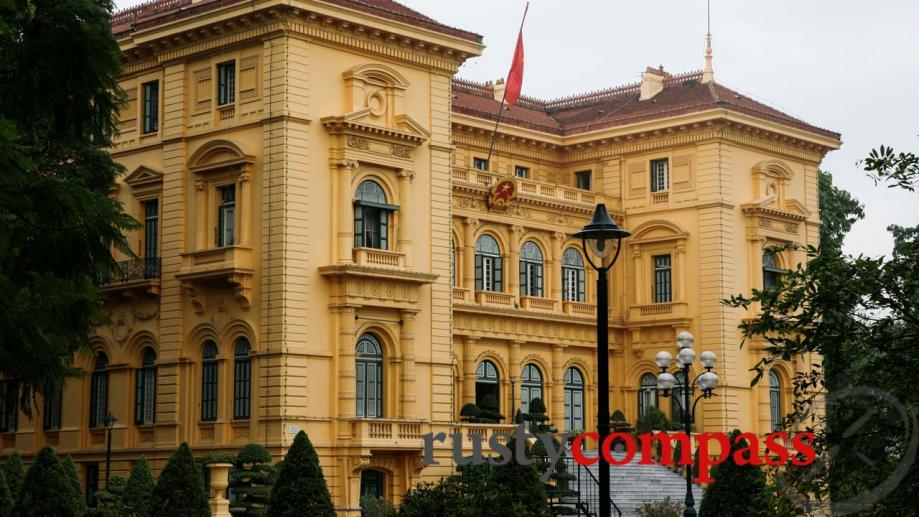
    • And next door to Ho's wooden house and mausoleum is the former French Governor's mansion - now the Presidential Palace. Ho refused to live here after becoming president. His asceticism seems not to have been passed on to the current generation of national leaders.
    • Presidential Palace, Hanoi built in 1907 as the French Governor's Residence.
    • Headquarters of the Communist Party of Vietnam, overlooking Ba Dinh Square, Hanoi
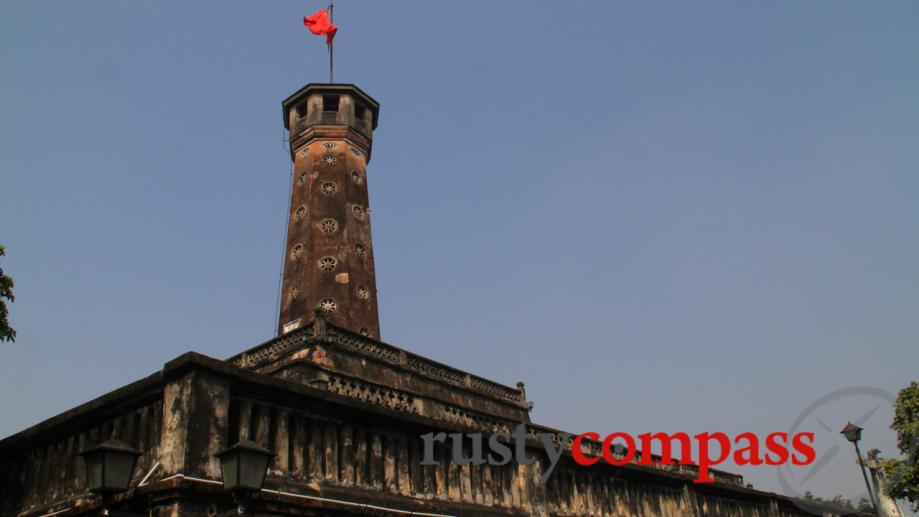
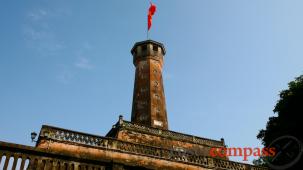
    • Another major landmark close by Ba Dinh Square is Hanoi Citadel. The citadel area has been a centre of military power for centuries. This 1812 tower in the citadel grounds, known simply as the Flag Tower, was built by the Nguyen Dynasty when Vietnam's capital was in Hue. The French destroyed many Vietnamese buildings in Hanoi. The Flag Tower was spared and is now a symbol of the city.
    • Hanoi Citadel is the city's newest World Heriatge site and has only been open to the public for a few years. Despite its historical significance, many travellers still miss it.
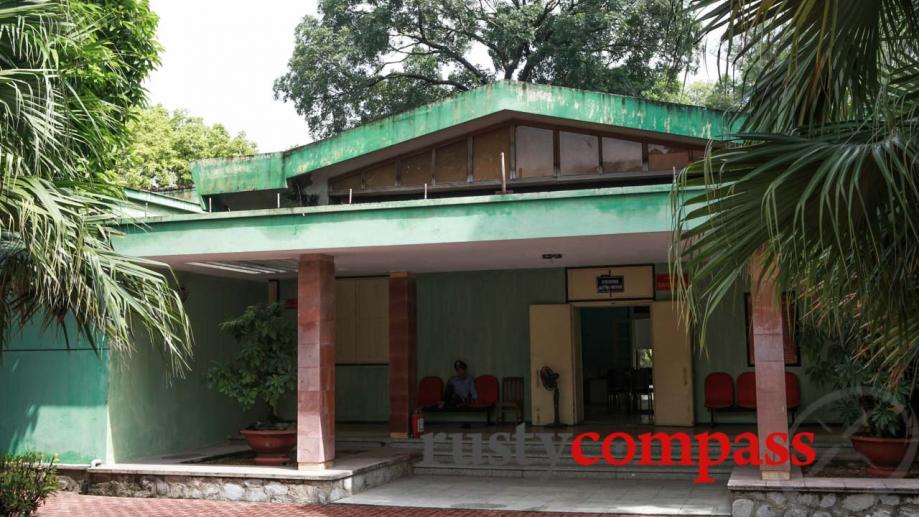
    • What this structure lacks in architectural value, it more than compensates with historic significance. It was from this building in the citadel grounds that North Vietnam's victorious miltary campaign againt the US-backed South Vietnamese state was led.
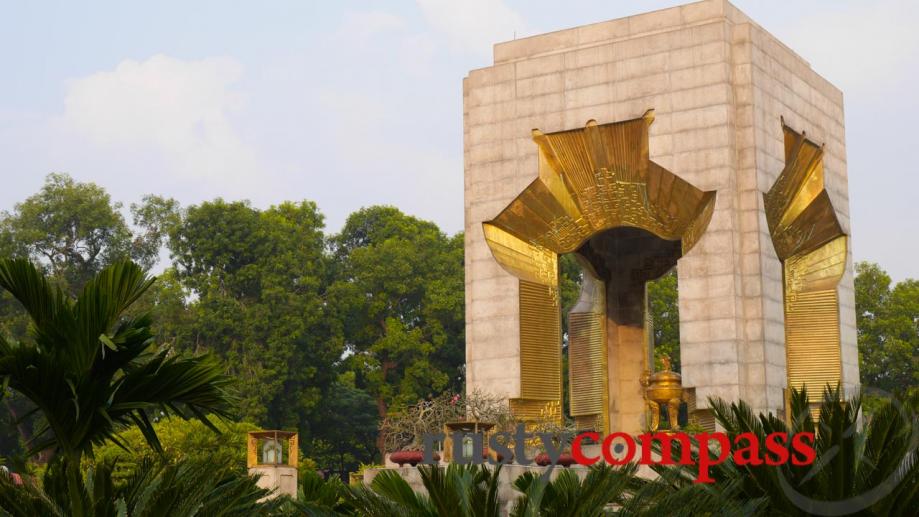
    • Between the citadel and the Ho Chi Minh Mausoleum overlooking Ba Dinh Square, is the Martyr's Monument - dedicated to soldiers whose lives were lost in Vietnam's wars.
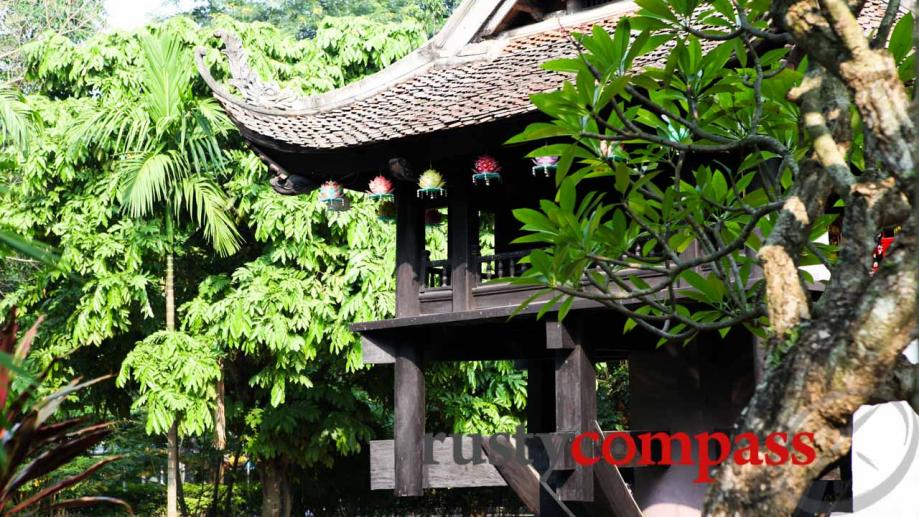
    • One Pillar Pagoda is one of Vietnam's most famous pagodas and dates back to the 11th centiury, soon after the founding of Hanoi. It's been rebuilt many times including after it was destroyed by vanquished, departing French colonial troops in 1954.
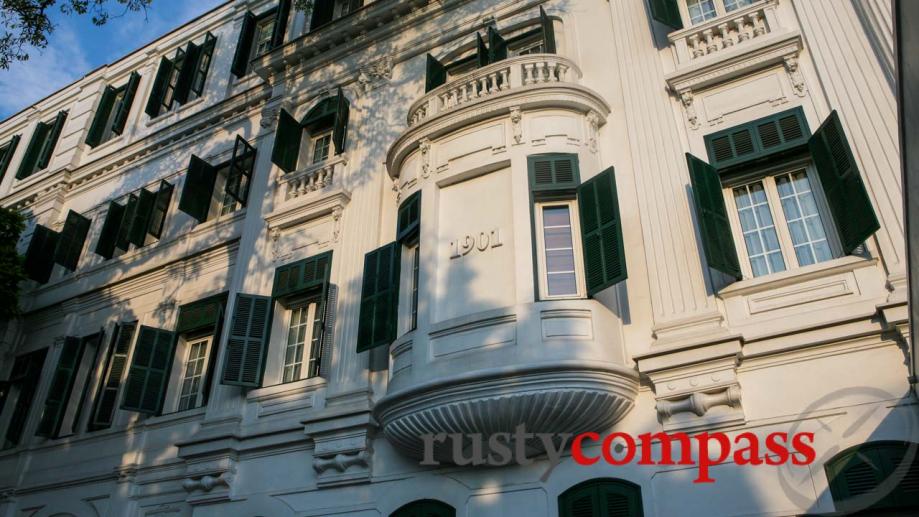
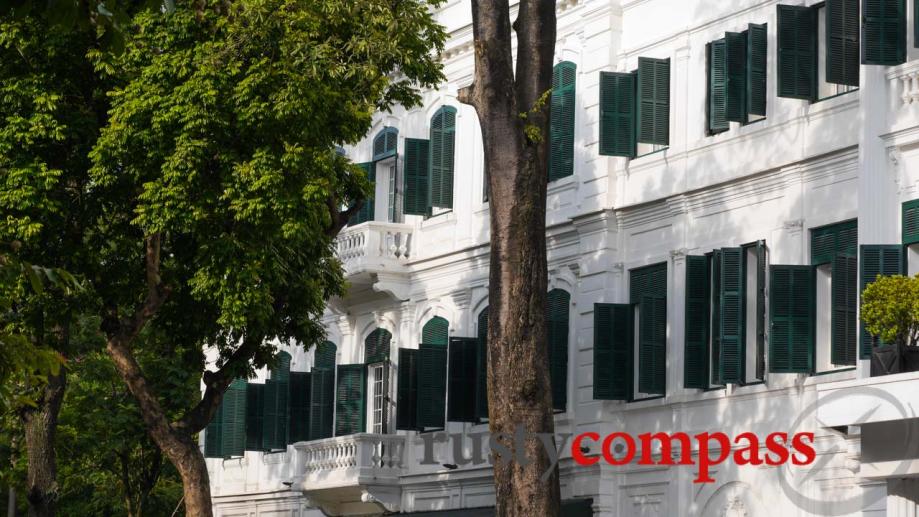
    • The Metropole Hotel is another of the city's most celebrated colonial buildings and is also its most impressive hotel.
    • The Metropole Hotel, one of the landmark buildings of an area known as Hanoi's French Quarter - not to be confused with the Old Quarter.
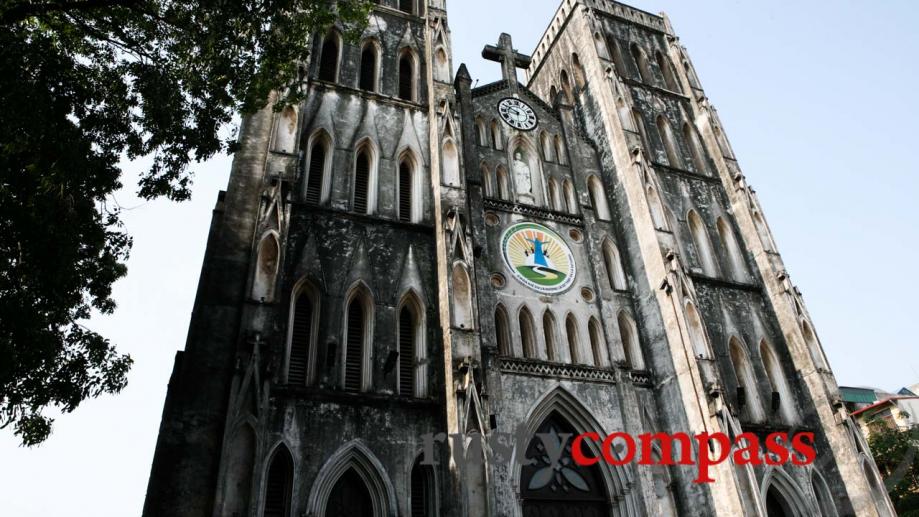
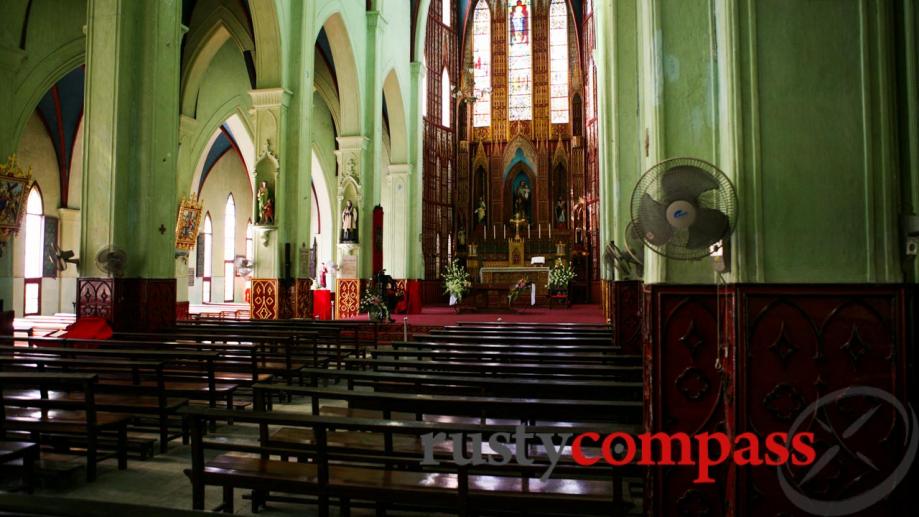
    • The Catholic church has been a big player, both good and bad, in Vietnam's history. St Joseph's Cathedral is at the centre of the church's impressive and at times controversial downtown land holdings. Built in 1886, the cathedral is among the older major colonial era buildings still standing in the capital.
    • St Joseph's Cathedral, Hanoi
    • The interior of St Joseph's Cathedral, Hanoi
    • The church grounds around St Joseph's Cathedral.
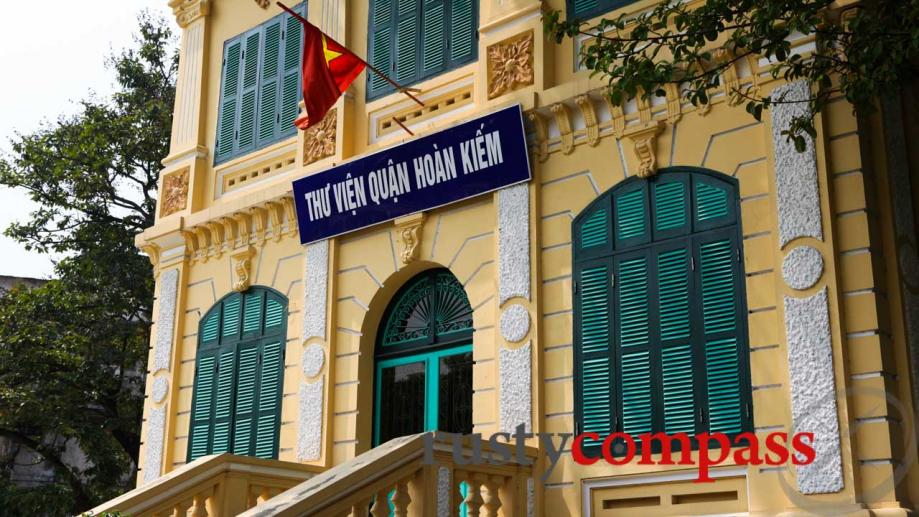
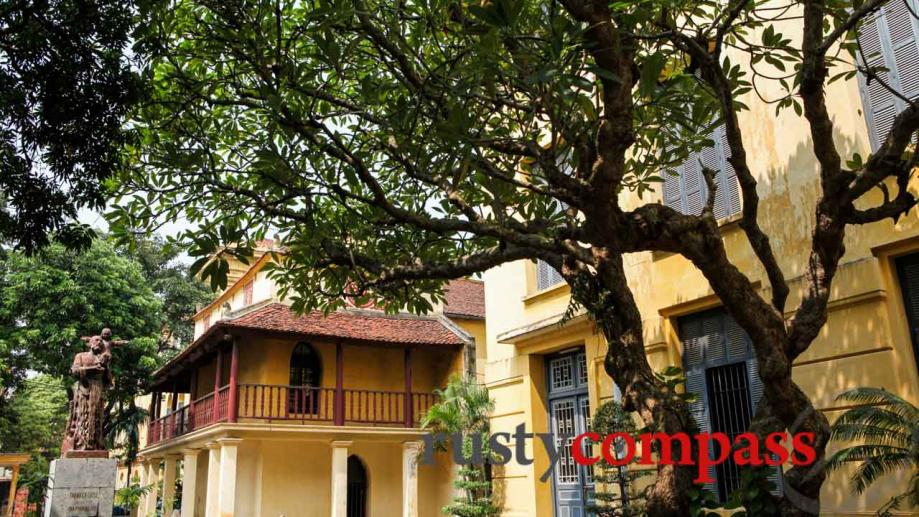
    • The former Archbishop's Residence right by St Joseph's Cathedral. This building has been government hands since communist forces defeated the French in 1954. Plans to demolish it in 2008 for development saw rare protests by Hanoi's Catholic community. The compromise was the creation of a library. It's not a very public library however. None of my many attempts to enter have succeeded. I've been told I must obtain official permission.
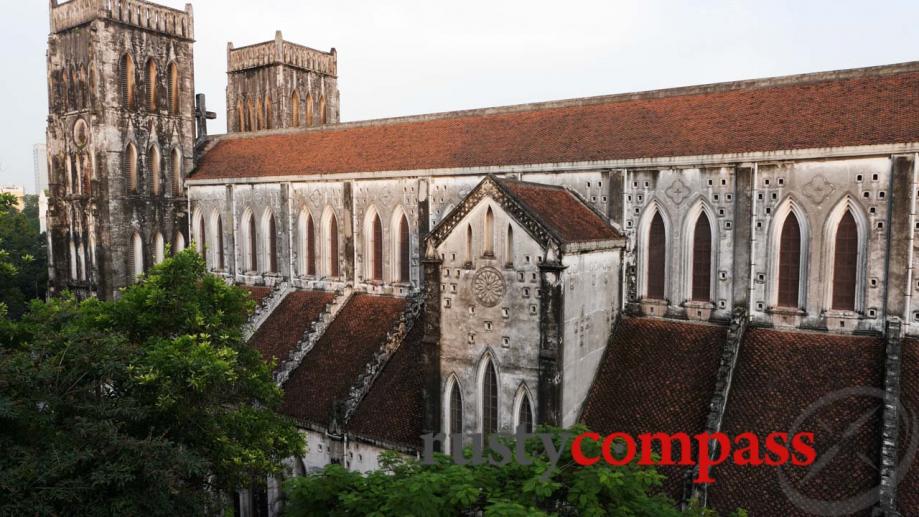
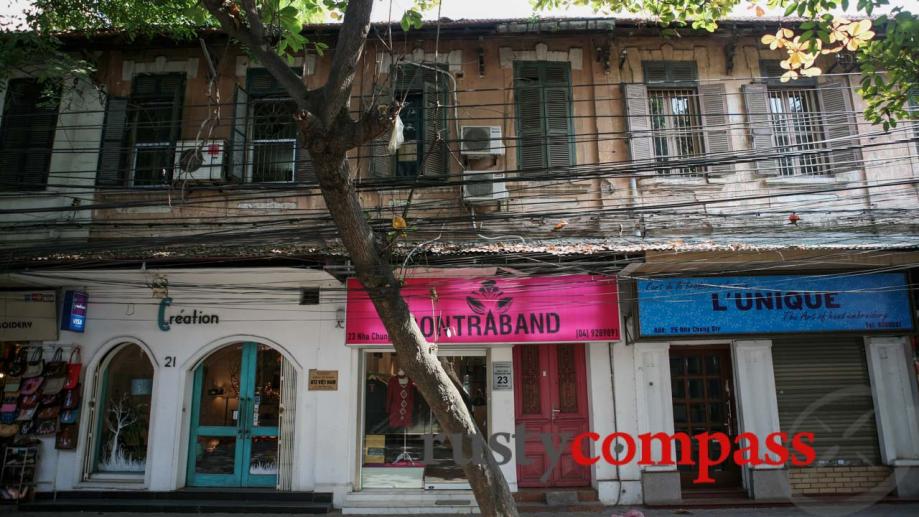
    • The streets around St Joseph's Cathedral are home to some of Hanoi's most popular boutiques and restaurants. The windows and decorations indicate a former ecclesiatical function.
    • Boutiques around St Joseph's Cathedral.
    • Ba Da Pagoda, Hanoi
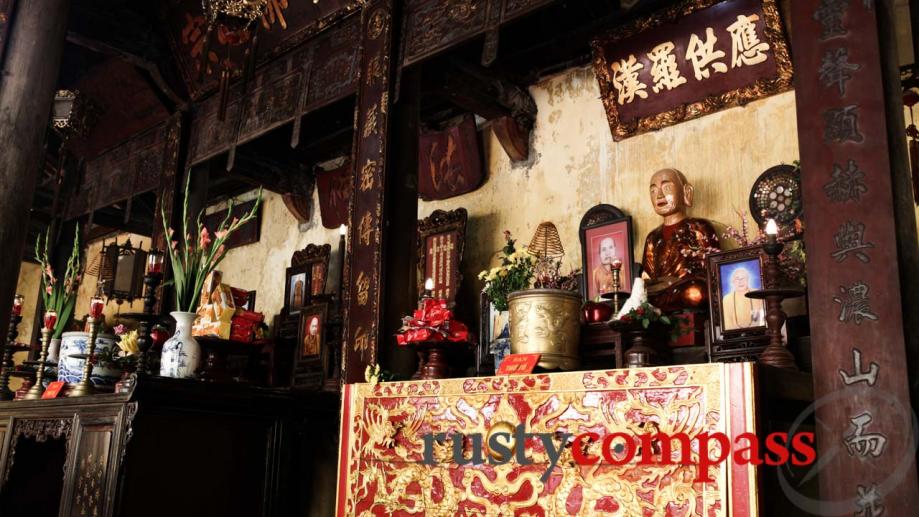
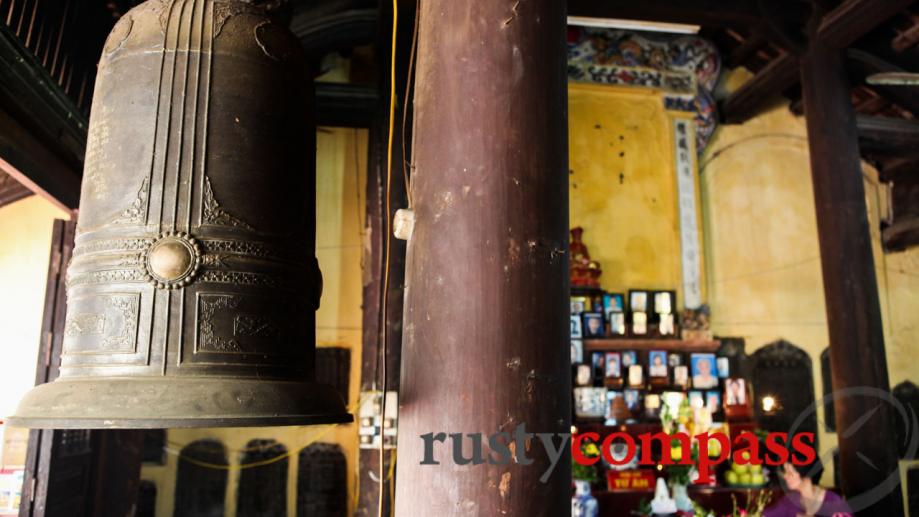
    • Ba Da Pagoda, right by St Joseph's Cathedral is one of Hanoi's oldest and most cherished. This shot was taken in 2009. Since then a very heavy handed renovation has robbed the structure (the original pagoda was built in the 15th century) of much of its atmosphere and character.
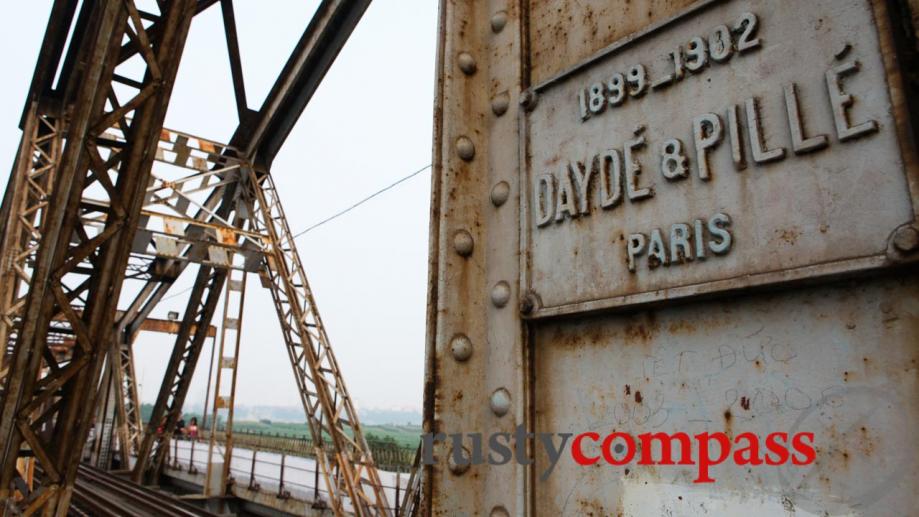
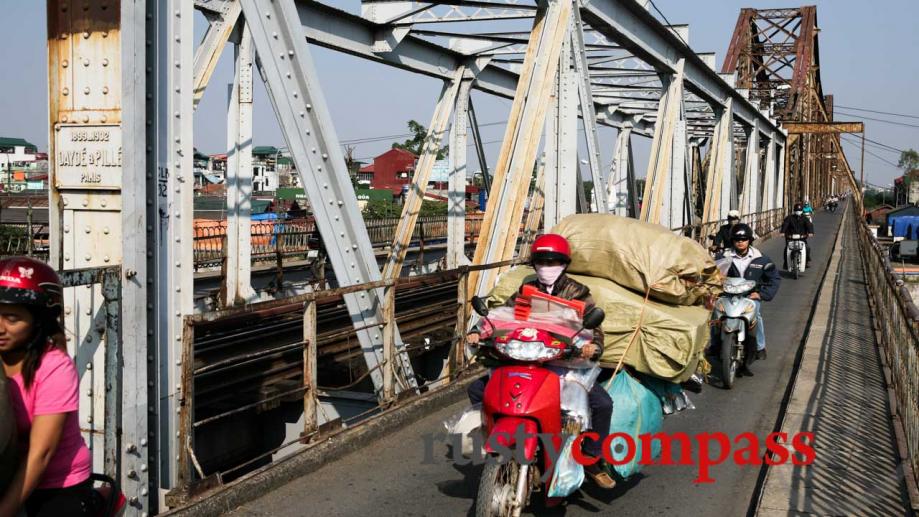
    • Long Bien Bridge is another Hanoi icon. It was built at the height of the French colonial period. With a span of 1.7kms across the Red River, it was, at the time, one of Asia's most impressive bridges and an important engineering achievement. The bridge connected Hanoi with the port of Haiphong and the north of the country. It was a strategic target for American bombers during the Vietnam War and it still carries the scars.
    • Long BIen Bridge, Hanoi. It was known as Paul Doumer Bridge after the early twentieth century Governor General of Indochina, who went on to become French President. He was assassinated in 1932.
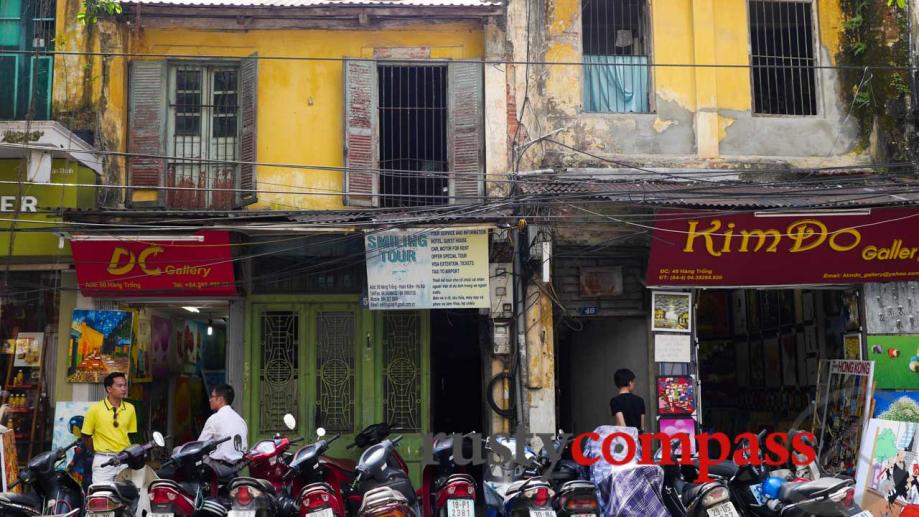
    • Typical colonial era tube houses in Hanoi's Old Quarter.
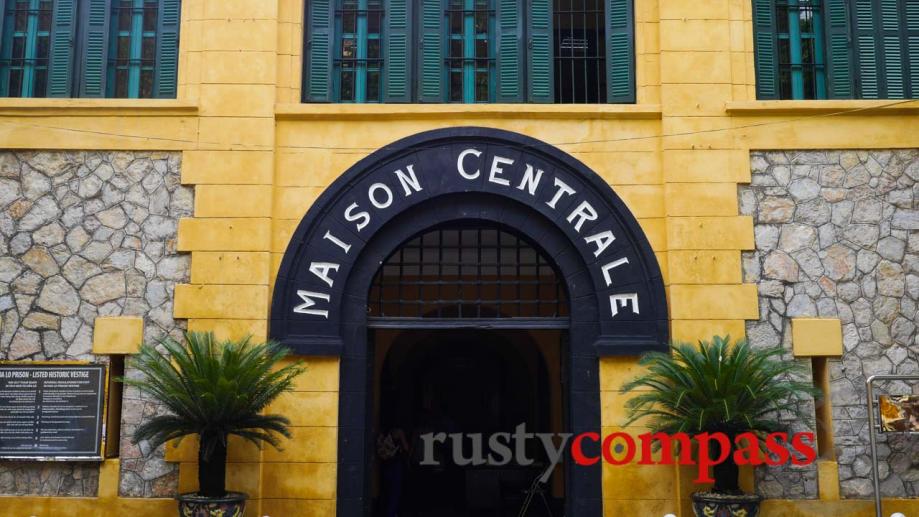
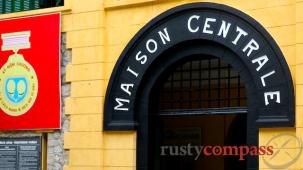
    • Hanoi's Hoa Lo prison gained notoriety in the West during the Vietnam War as the "Hanoi Hilton". US Senator John McCain was among those held here after being shot down over Hanoi. For the Vietnamese, the prison's infamy dates back to its creation by the French. Many of the country's most celebrated nationalist leaders suffered brutal incarceration here. Hanoi Hilton was closed in the early 1990s to make way for an apartment development. One wing of the complex was preserved as a museum.
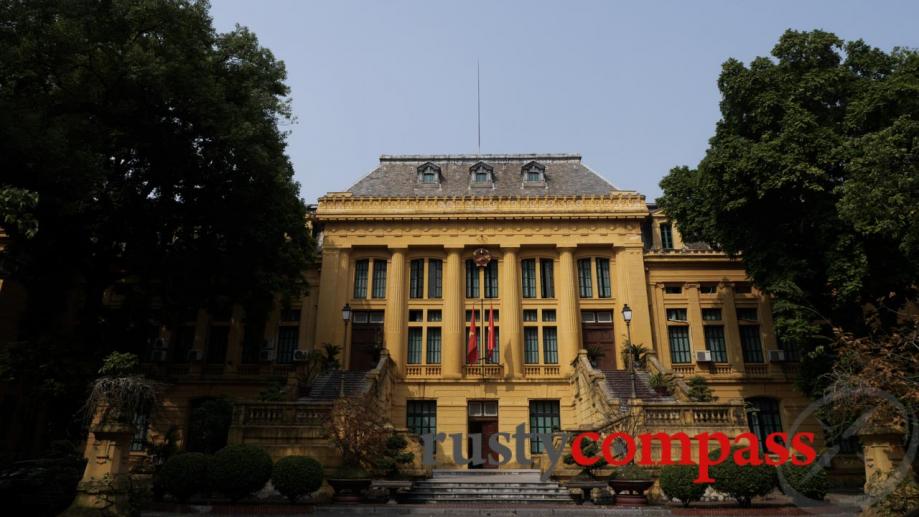
    • Hanoi Hilton was logically located right by the main courthouse. The prison is no longer in use however the courthouse is still functioning.
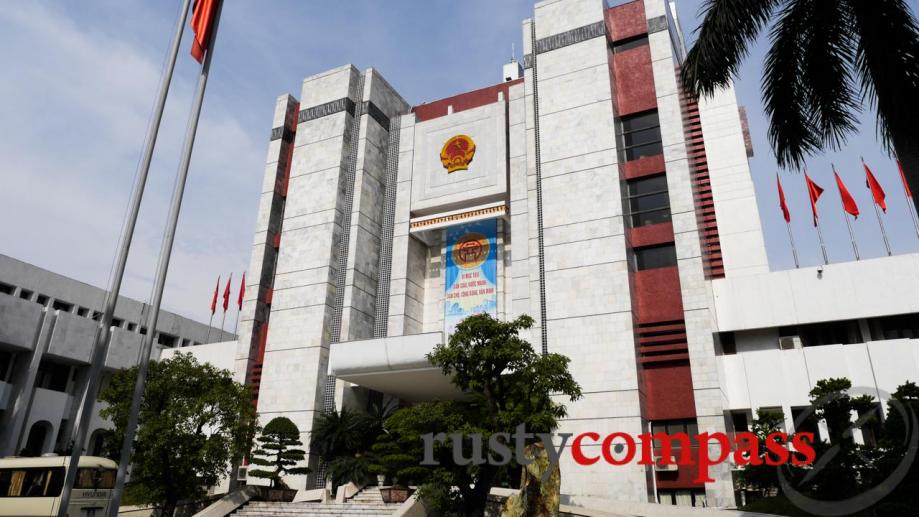
    • This Soviet style building, the offices of Hanoi People's Committee, is a perfect monument to the terrible years of hardline communism that Hanoi suffered in the immeidate post-war period (post 1975). It has pride of place at Hoan Kiem Lake..
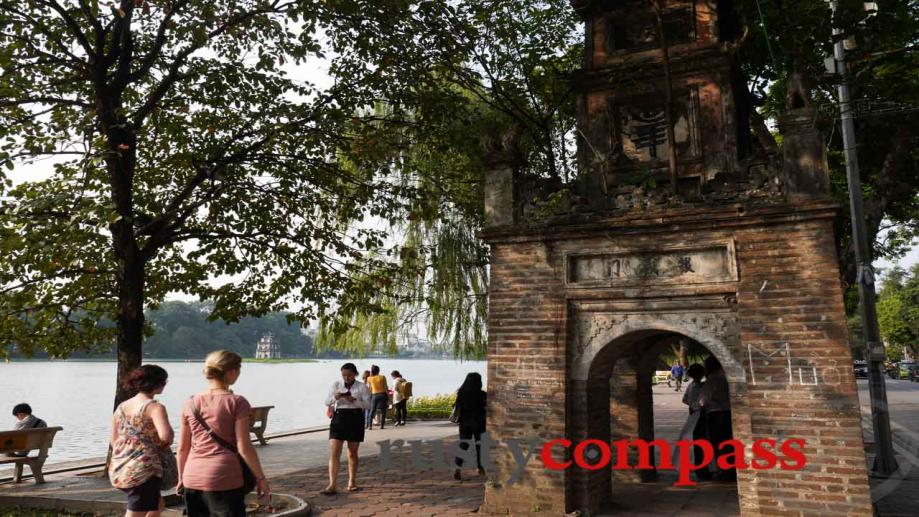
    • Directly opposite the People's Committee building is this gate at Hoan Kiem Lake. It's the only remnant of Bao An pagoda, a once grand Buddhist complex that was demolished, along with many other notable local buildings, by the French
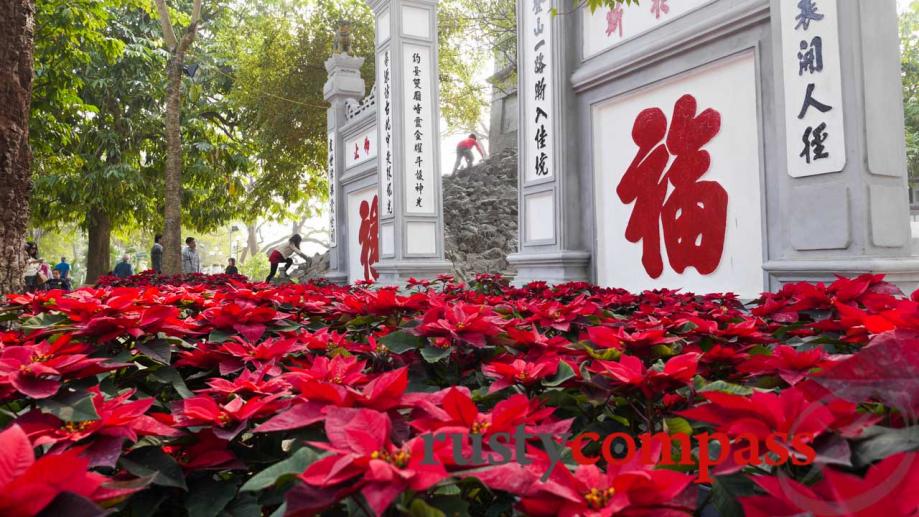
    • Tet flowers at Ngoc Son Temple on Hoan Kiem Lake.
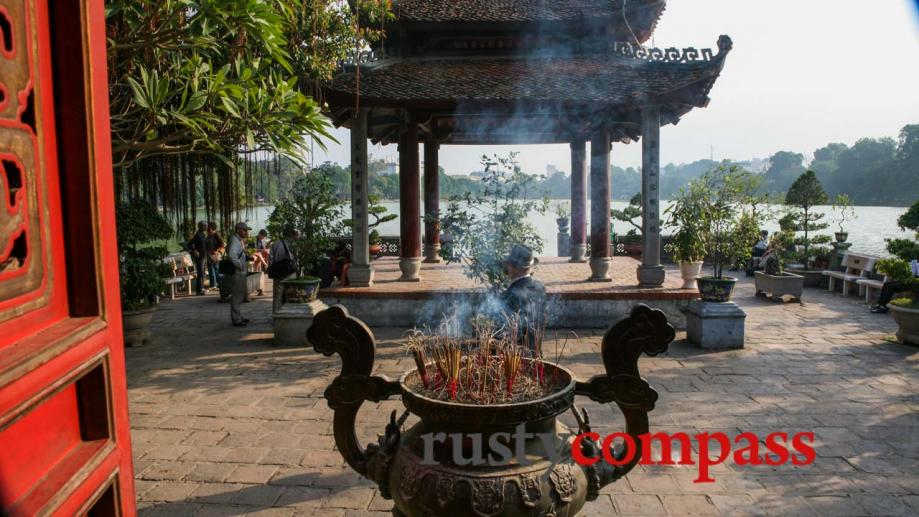
    • Ngoc Son Temple looks over Hoan Kiem Lake in central Hanoi.
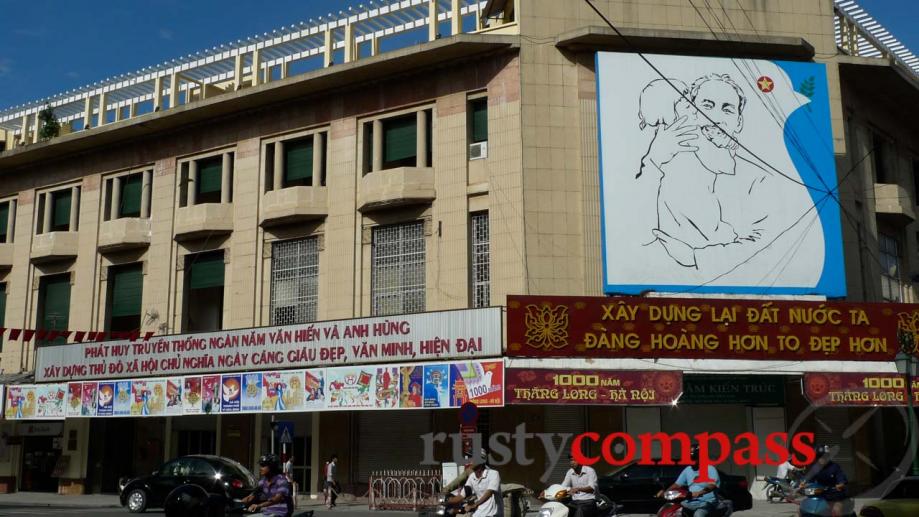
    • This government building by Hoan Kiem lake exhibits the shift to deco style colonial architecture. The image of Uncle Ho with child looks over one the city's main intersections.
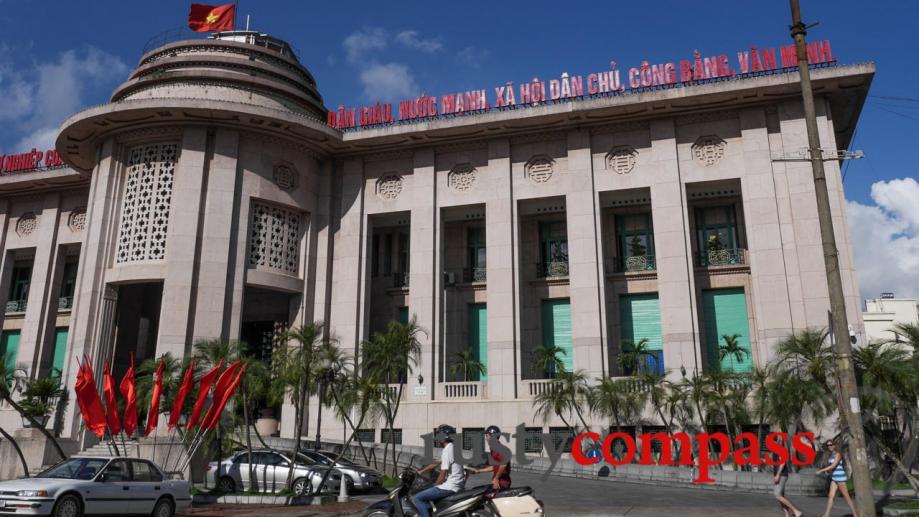
    • The imposing Bank of Indochina building (1930) in the French Quarter marked the arrival of modernism in Hanoi. It is now the State Bank of Vietnam.
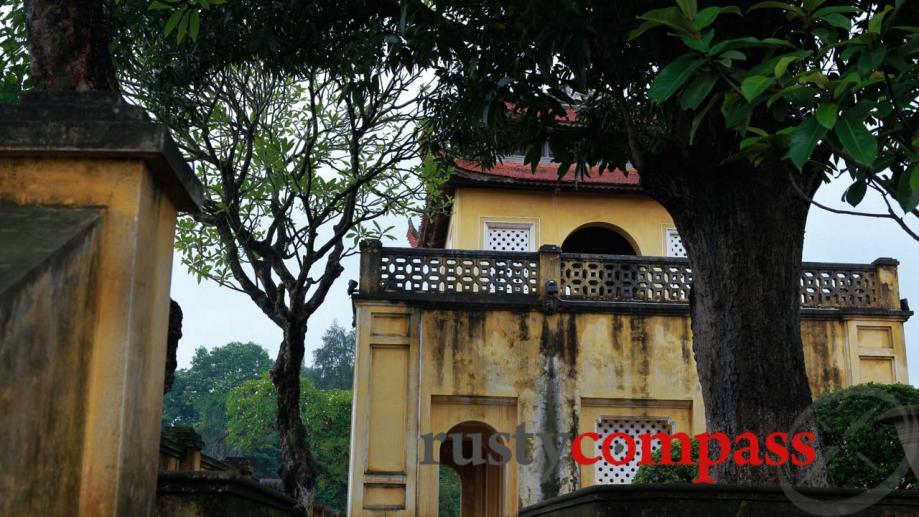
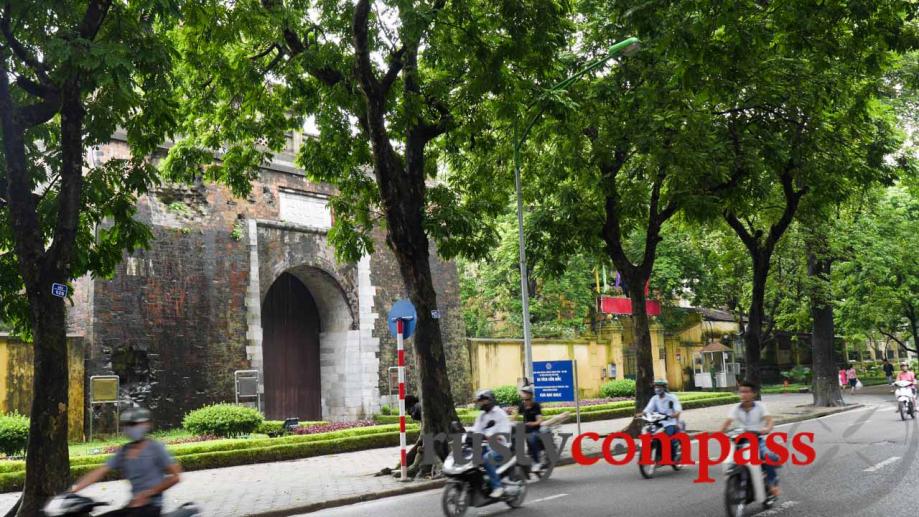
    • Tree lined Phan Dinh Phung St, is one of the Hanoi's most beautiful. The structure in the shot is the Northern Gate to the citadel which is closed. It bares the scars of an 1873 French attack.
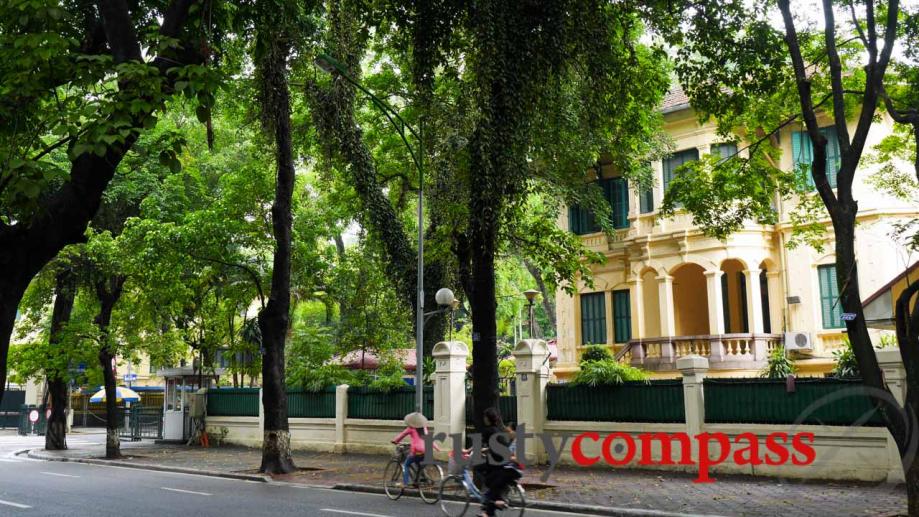
    • Phan Dinh Phung is home to some of Hanoi's most impressive villas.
    • Unlike the Old Quarter. walking along Phan Dinh Phung St is easy and pleasant. The villas are mainly occupied by senior government officials.
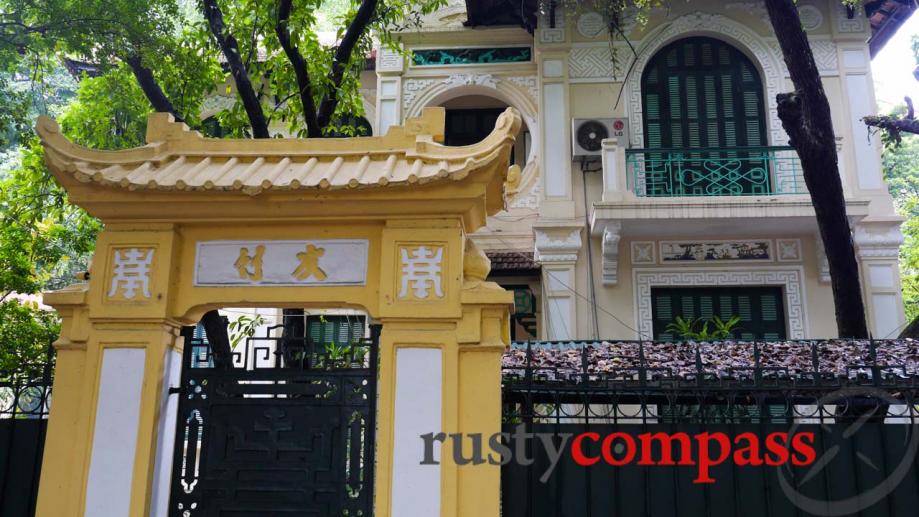
    • Distinctive building, Phan Dinh Phung St, Hanoi
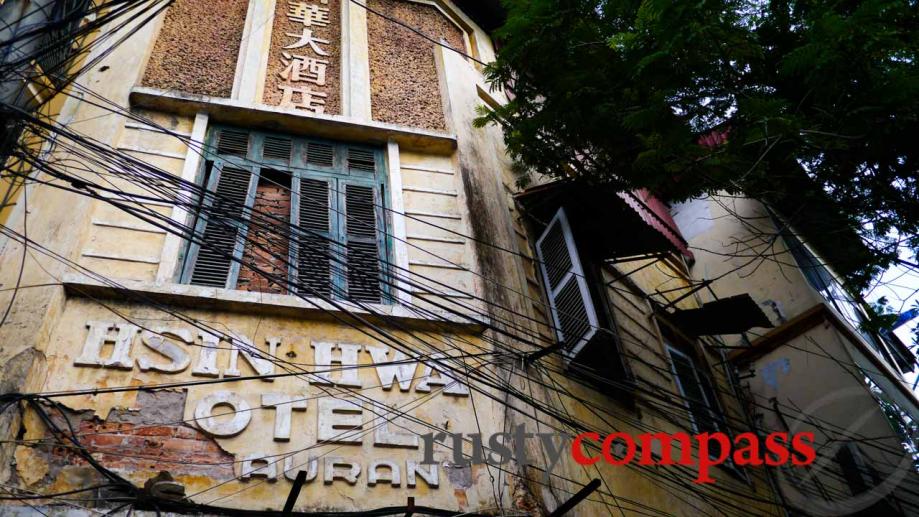
    • Hanoi was once home to a large ethnic Chinese community. At the end of the 1970s when relations between Vietnam and China descended into war, Hanoi's Chinese community formed part of an exodus, estimated at around 200,000, from across Vietnam. Hanoi no longer has a discernible Chinatown. This former Chinese hotel has seen better days.
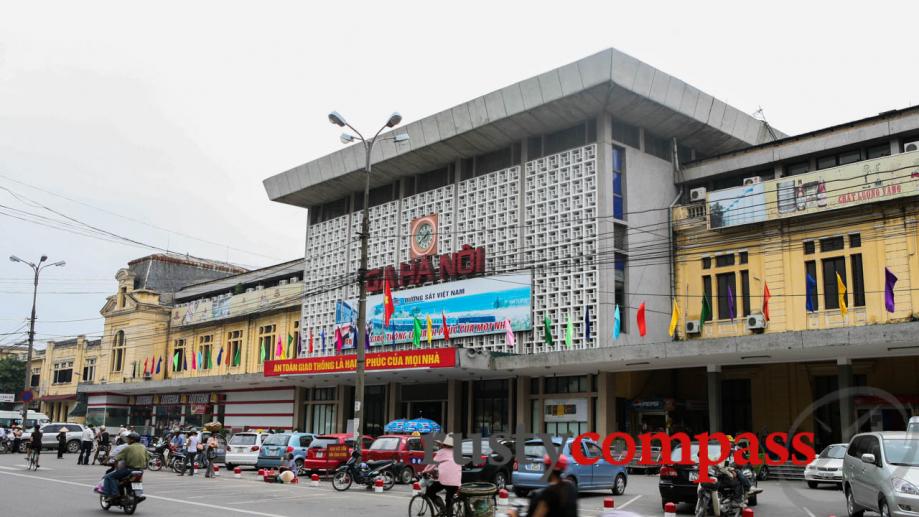
    • Hanoi's major architectural landmarks mostly survived US bombing without incurring damage. Hanoi Railway Station was less fortunate. When US bombers struck the main section of the building in December 1972, 283 people were killed. The damaged section was replaced with a Soviet-style structure.
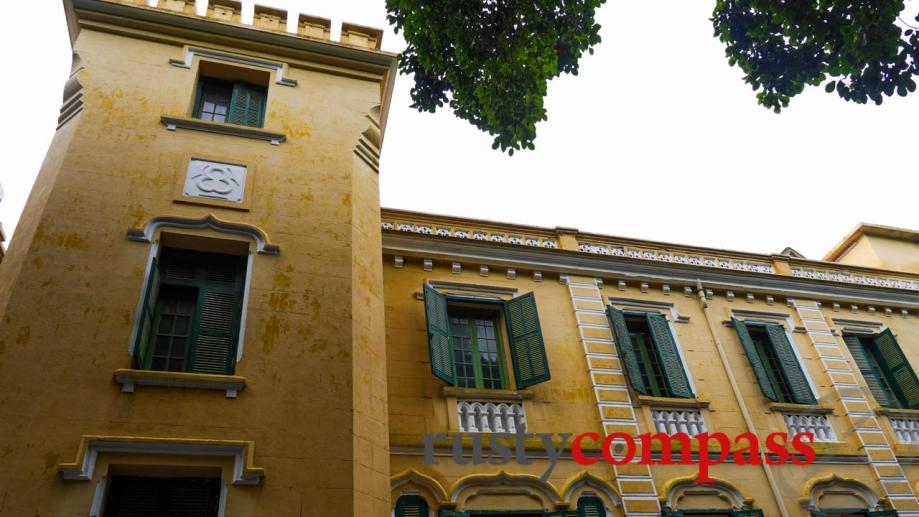
    • Confederation of Labour building in the French Quarter is looking a tad shabby.
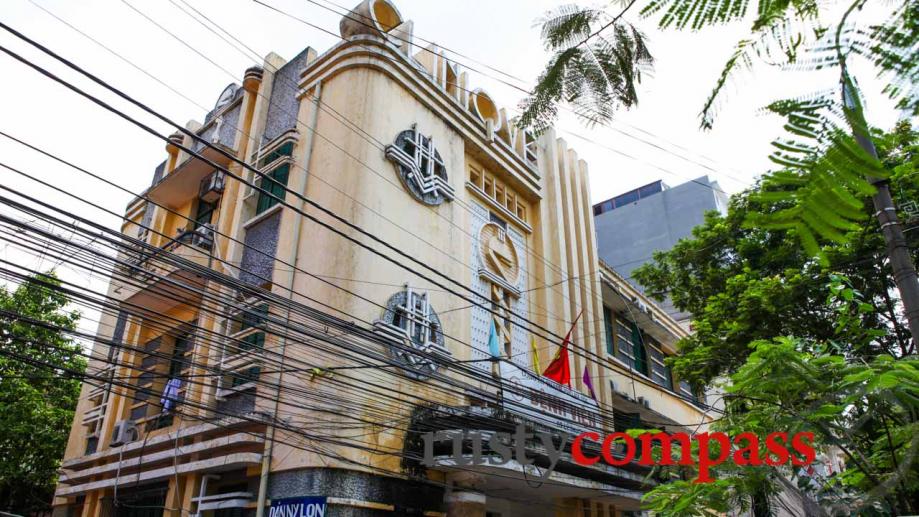
    • Art Deco made a big impact on Hanoi. This former French clinic is now a police hospital.
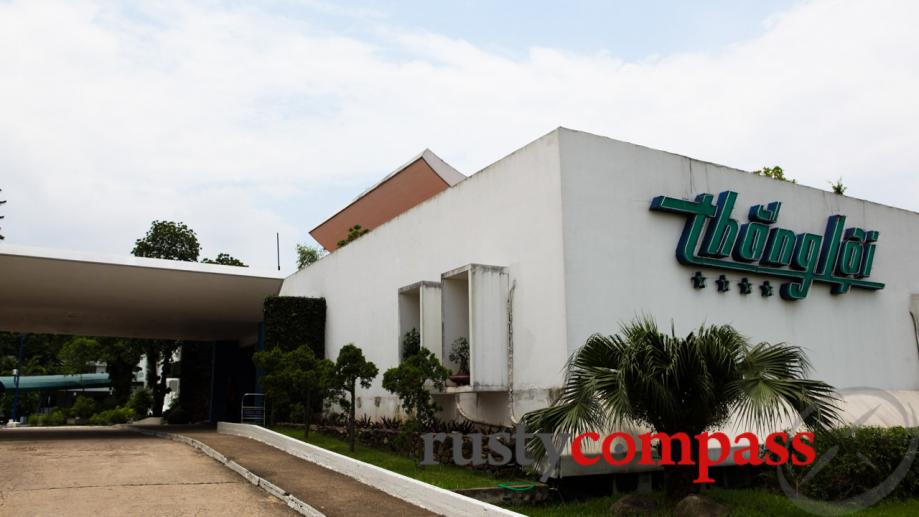
    • Cuban designed Thang Loi Hotel is for those that like their hotels quirky. It's an interesting piece of modern architecture on West Lake. During the Cold War it was Hanoi's most luxurious hotel. It's not a bad spot for a swim on a hot Hanoi summer afternoon as well.
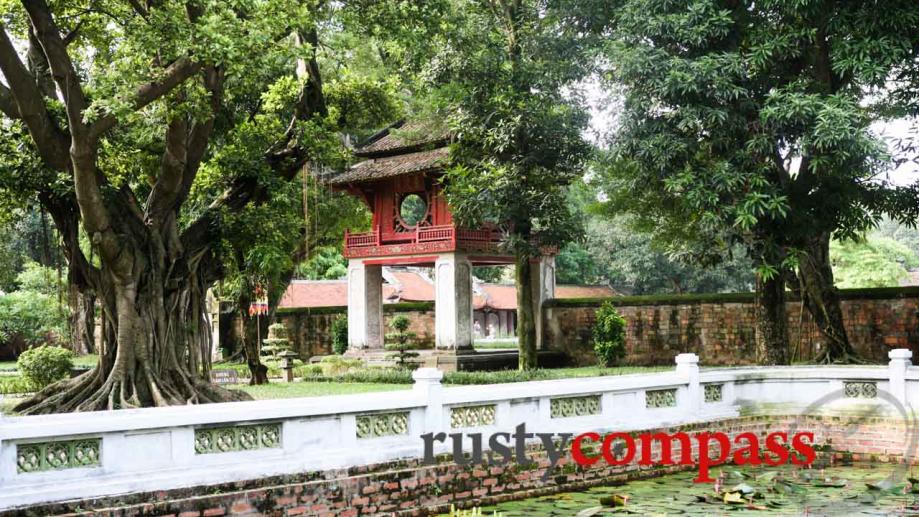
    • The Temple of Literature dates back to 1070 and is one of the most important remaining pieces of Viettnamese architecture. Vietnam's first university is a haven of tranquility in a sea of traffic chaos beyond its walls.
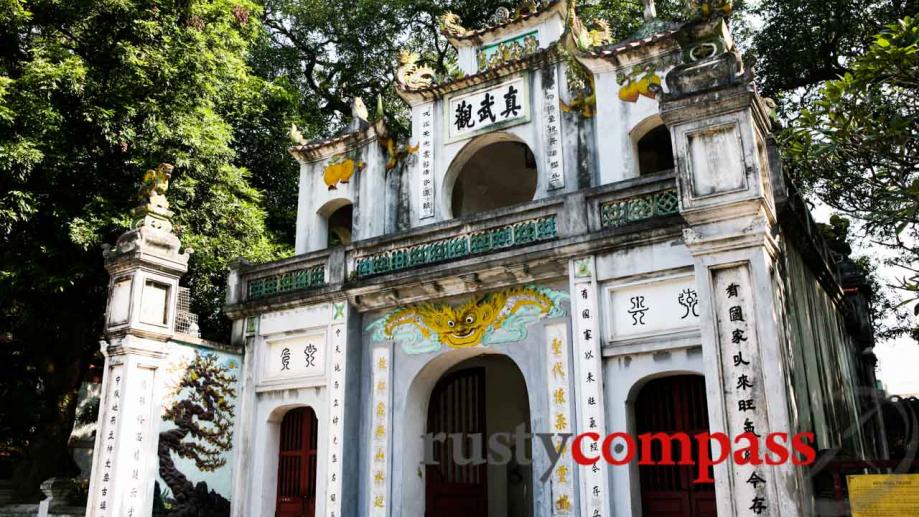
    • Hanoi's West Lake area , a few hundred metres from Ba Dinh Square, is home to some of Hanoi's most important Buddhist Pagodas. It's another pleasant area for walking. This is the 11th century Quan Thanh Pagoda.
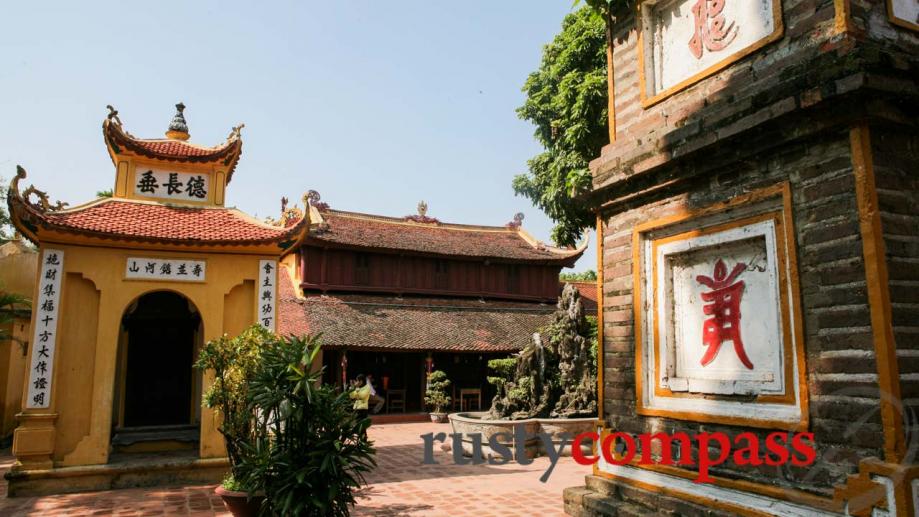
    • Dating back to the 6th century AD, Tran Quoc Pagoda, looks over West Lake. It's Hanoi's oldest pagoda.
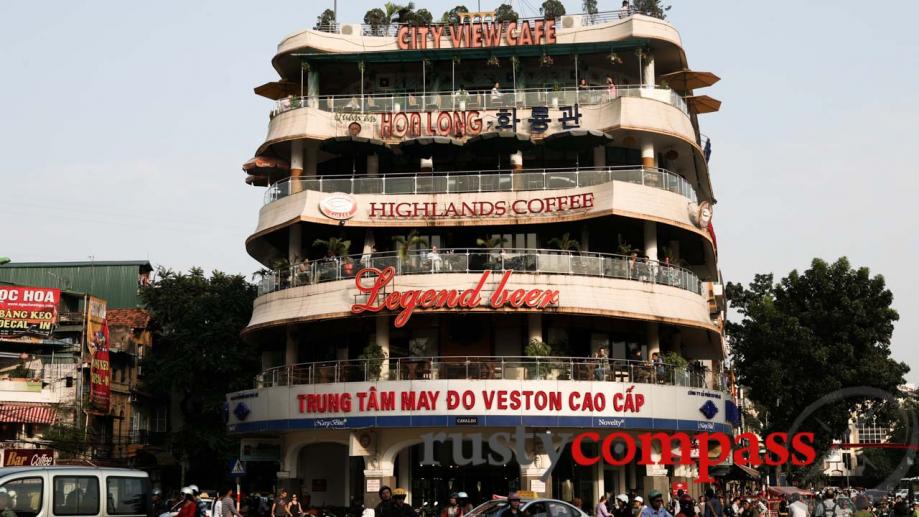
    • This is one of the first major Hanoi buildings to go up after the country opened its doors to foreign investors in the early 90s. On a prime piece of real estate right by Hoan Kiem Lake, it didn't set a happy architectural precedent.
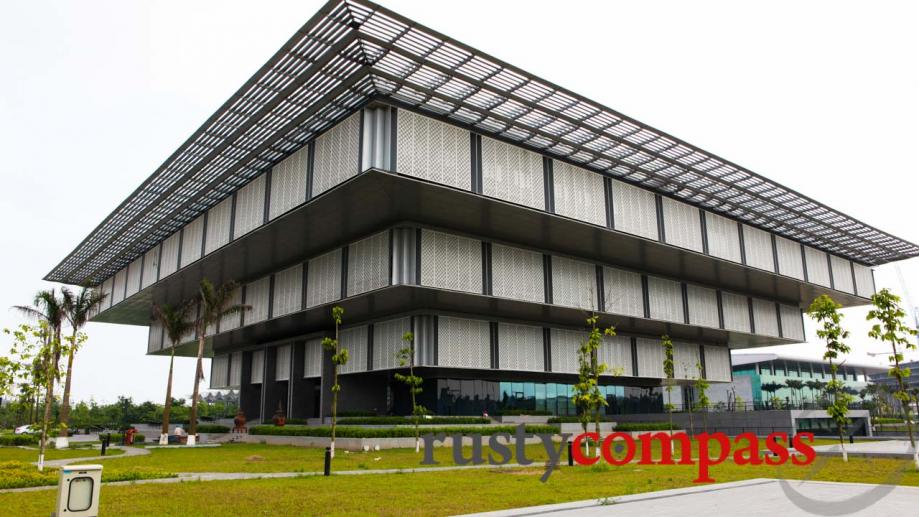
    • Probably the most flamboyant piece of modern architecure in Hanoi. Designed by German architects GMP. It's certainly a landmark creation. Unfortunately, the sense is that more effort went into the inverted pyramid building than into curating a compelling museum collection to tell the story of the city. It's a long way from downtown Hanoi too so this is one for the very committed.
    Quicklink - Introduction - Hanoi

    RELATED galleries

    Ba Dinh Square Hanoi

    Ba Dinh Square Hanoi

    Hanoi's Old Quarter

    Hanoi's Old Quarter

    Faces of Hanoi's streets

    Faces of Hanoi's streets

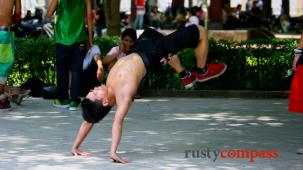
    Breakdancing in Hanoi's Lenin Park

    Breakdancing in Hanoi's Lenin Park

    Military History Museum, Hanoi

    Military History Museum, Hanoi

    Hanoi Hilton prison

    Hanoi Hilton prison

    LIST ALL GALLERIES BY DATE

    POPULAR galleries

    Hoi An in 72 hours - suggested itinerary

    Hoi An in 72 hours - suggested itinerary

    Cholon - Saigon's Chinatown

    Cholon - Saigon's Chinatown

    The French colonial architecture of Dalat

    The French colonial architecture of Dalat

    Saigon's disappearing heritage

    Saigon's disappearing heritage

    Selecting an overnight cruise on Halong Bay

    Selecting an overnight cruise on Halong Bay

    Dien Bien Phu

    Dien Bien Phu

    LIST ALL GALLERIES BY POPULARITY
    • Travel guides
    • Cambodia
    • Vietnam
    • Laos
    • Australia
    • Home
    • Video
    • Gallery
    • Blog
    • About
    • Support Us
    • CONTACT US
    • Privacy
    • NEW FEED
    • ©COPYRIGHT SIX DEGREES ASIA 2026
    FOLLOW US
    • facebook
    • twiter
    • tv
    • rss
    LOGIN

    Comment on stories and reviews.

    Receive updates from Rusty Compass

    • Forgot your password?
      Create an account

    Rusty Compass listings are always independent. We list the places we think are worth knowing about. Our Featured Listings allow a small selection of businesses already recommended by us, to pay a fee for a place at the top of our list. That’s it. Featured Listings have no impact on reviews, or on the curation and independence of our lists.

    x