We visit Ap Bac in the Mekong Delta, scene of a decisive 1963 battle, before heading back to Saigon and the apartment block with the rooftop that came to encapsulate the ignominious end to America's war in Vietnam.
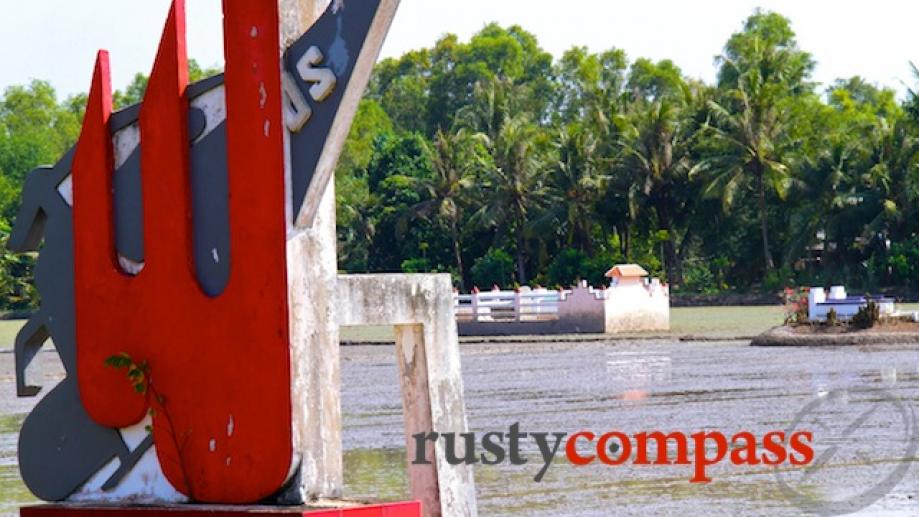
Ap Bac may have been an important battleground, but decades later, it has returned to the farming rhythms that preceded both French and US engagement in Vienam. A decisive battle took place here in 1963. For many historians, the Battle of Ap Bac was the start of serious US military involvement in Vietnam and was the first Viet Cong victory over their technologically superior foe. 83 South Vietnamese soldiers died that day and the US lost 3 of its “advisors”.The heavily outnumbered Viet Cong lost 18 men.
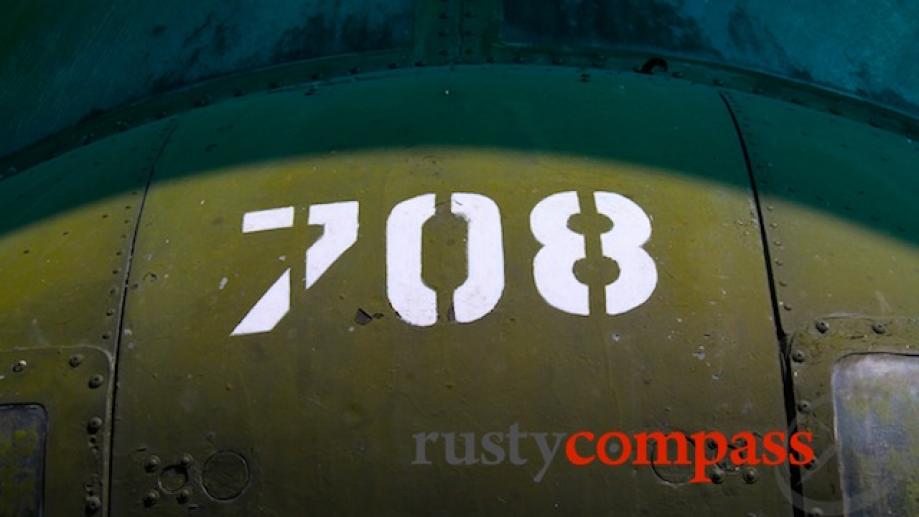
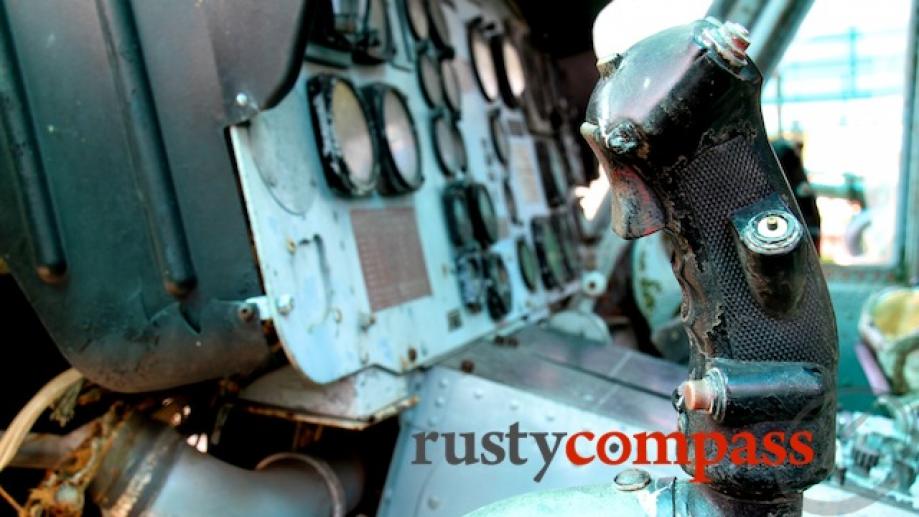
A simple memorial includes the wreck of Huey chopper - an almost standard feature at such sites.
Huey wreck at Ap Bac.
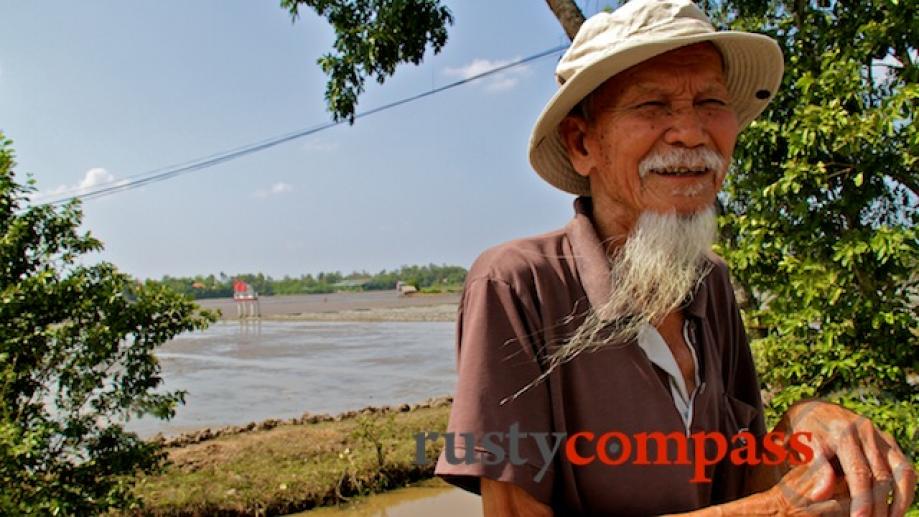
This local remembers the day of the battle back in 1963 but wasn't involved.
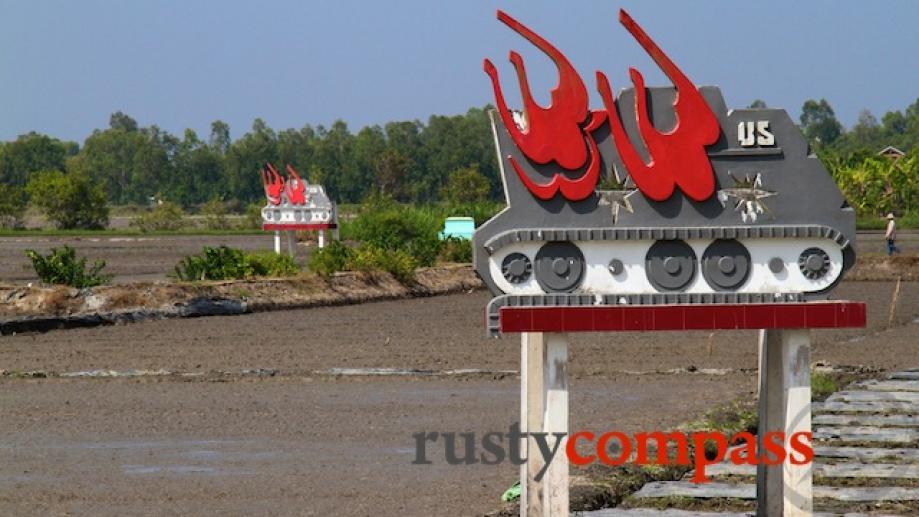
Marking out the spots where US APCs were destroyed at Ap Bac.
And where a chopper was destroyed.
"Peace" from an Ap Bac girl on her way home from school.
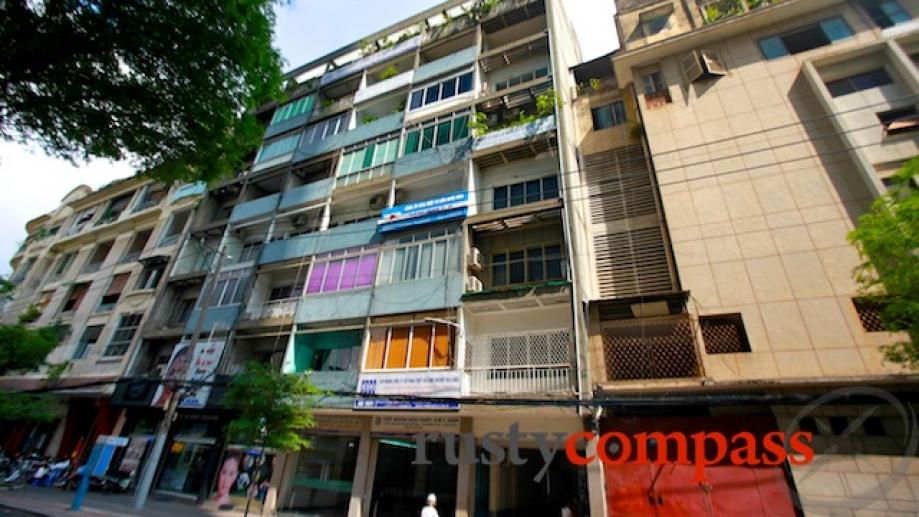
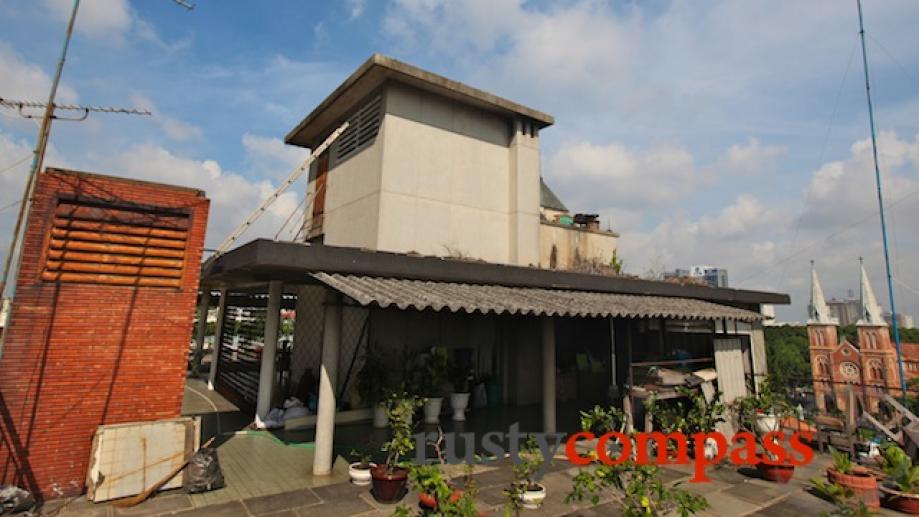
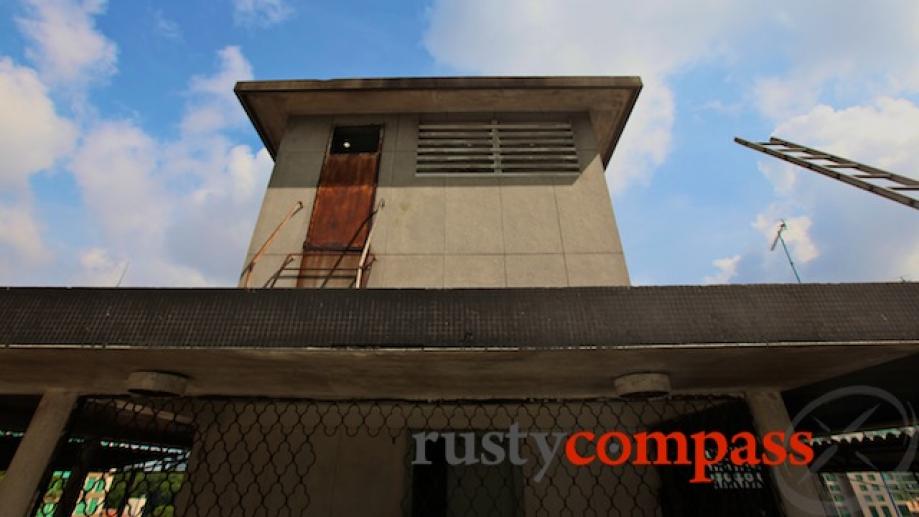
And in downtown Saigon, the anonymous former CIA apartmemt block that came to mark the US failure in Vietnam. A chopper conducted a precarious evacuation of US and local officials from the rooftop of this building while North Vietnamese troops approached in the final days of the war. Hu van Es's photograph of the airlift from this building became an iconic record of the fall of Saigon. Ap Bac marked the beginning of the US engagement in Vietnam, this building marked the end - 12 years, 3 million Vietnamese and 58,000 American lives later.
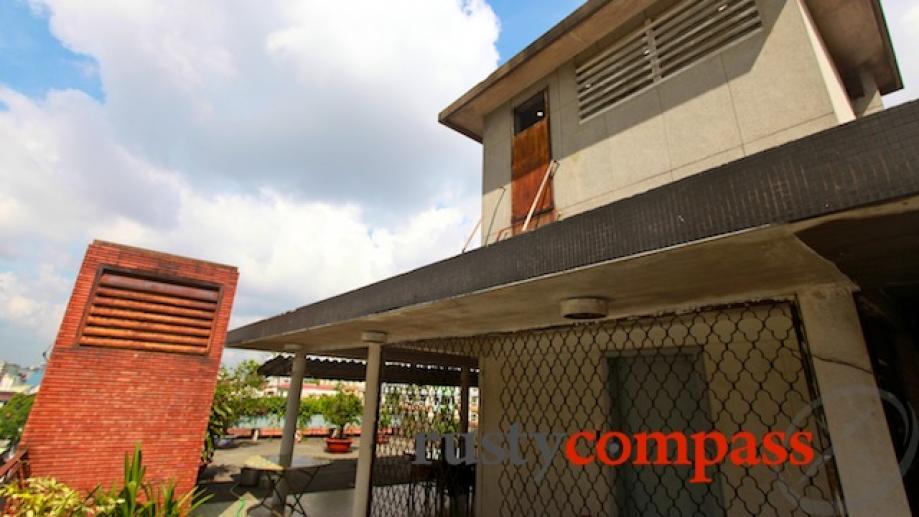
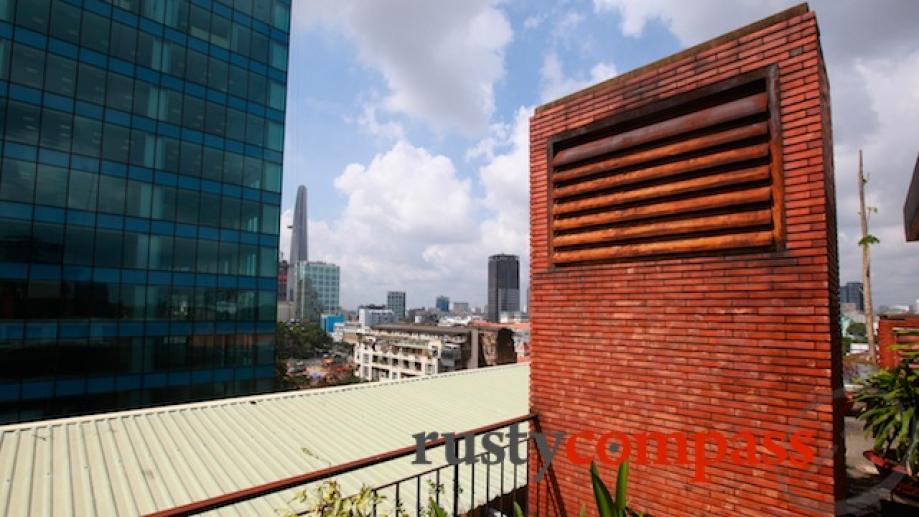
That Saigon rooftop - the first thing to strike you is how tiny the lift shaft that became a makeshift helipad is.
Then you try and conjure the panic that was overwhelming the city and this place on that day. Foreigners and Vietnamese were desperate to escape the approaching communists fearing brutal reprisals.
In the end, the victorious communists moved cautiously. It was weeks before they began to round up collaborators and South Vietnamese officials - many for long periods of harsh "reeducation". Some spent two decades in detention. The long feared bloodbath never occurred.
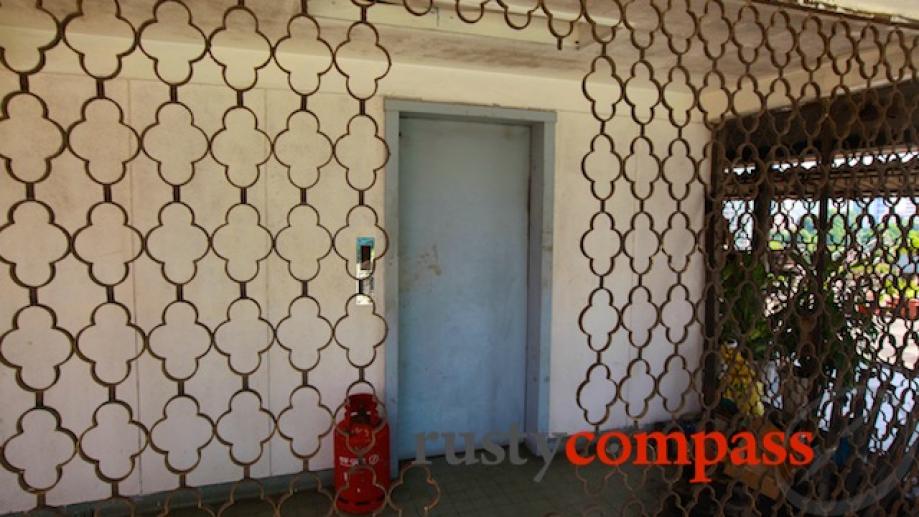
The lift to the top is still painfully slow as it would be have been 35 years ago.
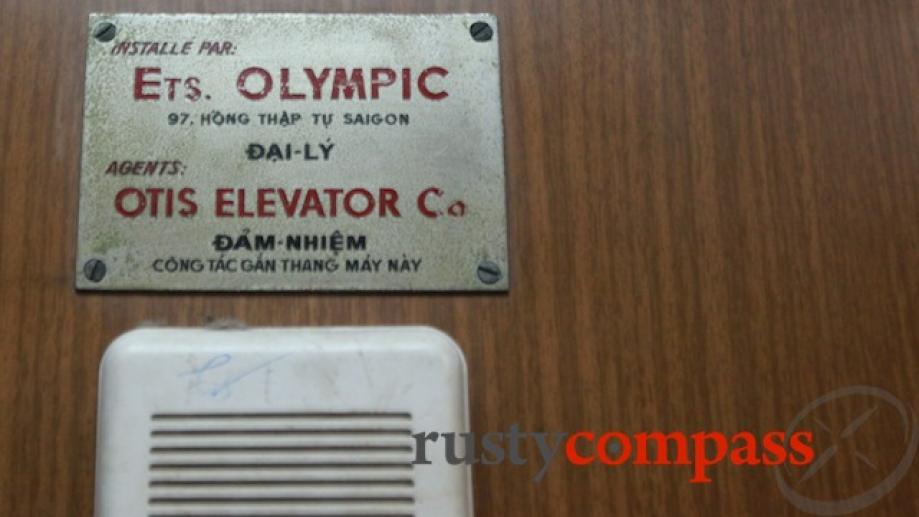
It bears the original service plate. Hong Thap Tu St became Nguyen Thi Minh Khai St more than three decades ago.
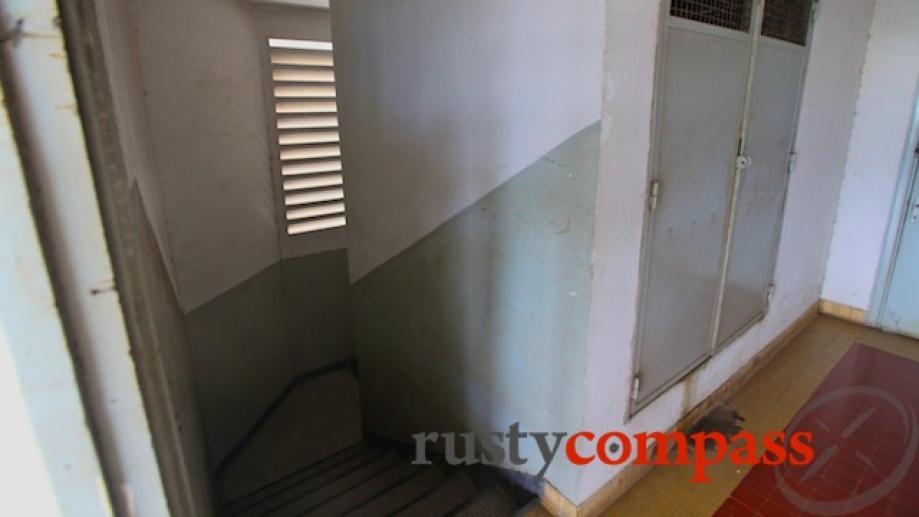
And the stairwell.
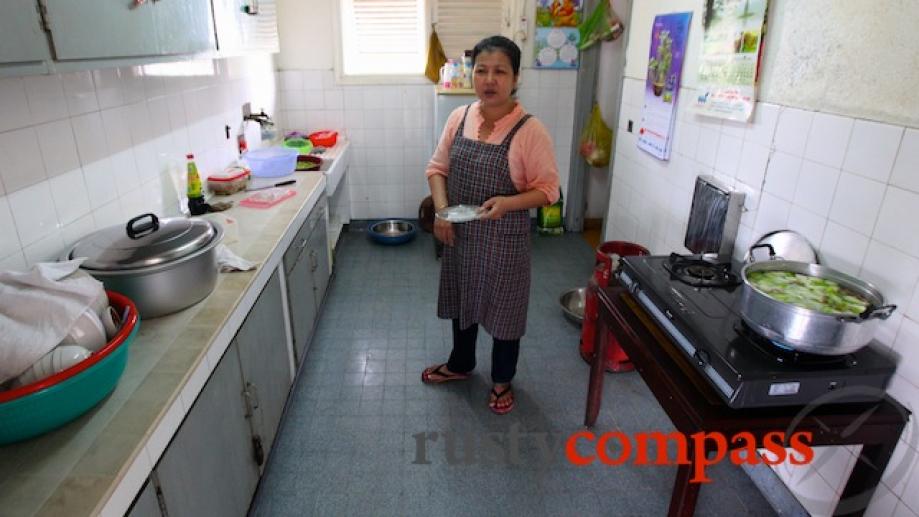
These days, the small room next to the lift shaft is a kitchen and in classic Vietnamese style, this lady insisted I try some of her delicious soup.
The modern city increasingly engulfs 22 Ly Tu Trong St. It's hard to imagine this little piece of history will survive another decade.
Check out our Insights piece on Ap Bac and the Saigon rooftop.